

|
LISTEN TO THIS THE AFRICANA VOICE ARTICLE NOW
Getting your Trinity Audio player ready...
|
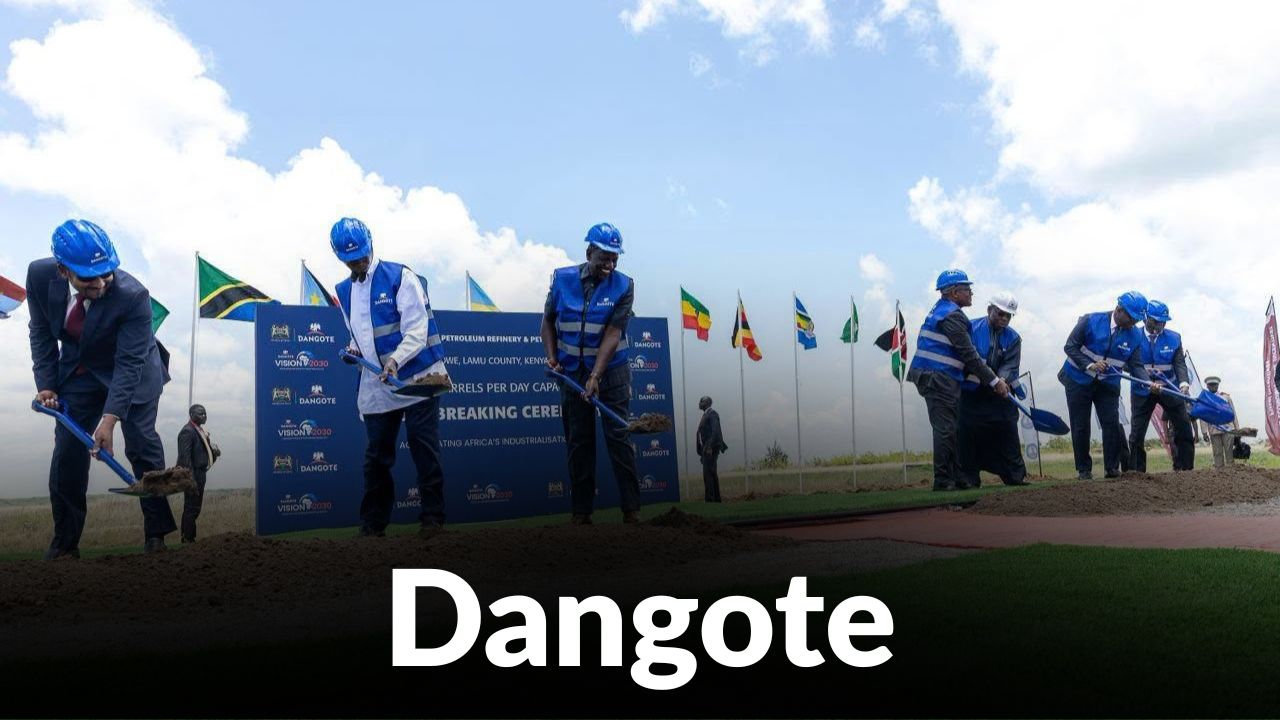
Aliko Dangote broke ground Wednesday on a $16 billion oil refinery at Lamu, on Kenya’s coast, with President William Ruto at the ceremony.
Nigeria’s best-known industrialist arrived with a proven record, while Ruto brought a political fight that could follow the project for years.
Lamu Is Meant to Become East Africa’s Lekki
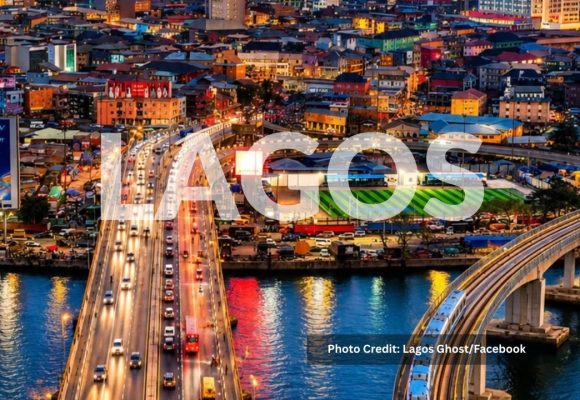
Planned capacity is 700,000 barrels of crude a day, making it the largest refinery in East Africa and the second largest in Africa after Dangote’s plant at Lekki in Lagos.
Dangote expects the Lamu refinery to cost $15 billion to $16 billion and hopes to finish it by 2030.
Plans also include a 1,000-megawatt power plant fueled by petcoke, with 500 megawatts offered for sale to the Kenyan government.
Petcoke is a carbon-rich solid left over from refining oil.
Fuel would flow to Kenya and its neighbors, including Ethiopia, South Sudan, Uganda, Tanzania, Rwanda, Burundi and Congo.
For a region hit hard by fuel price spikes linked to the U.S.-Israeli war against Iran, local refining is no small promise.
Kenya has already seen deadly protests over pump prices.
Kenya’s Jobs Promise Outruns the Lagos Record
Ruto has promised 60,000 jobs, but officials have described that figure in different ways.
At the groundbreaking, he called them direct jobs during a four-year construction phase.
Kenyan explainers describe a broader estimate that includes contractors, suppliers, and spin-off industries.
Lekki offers a yardstick.
Dangote’s company reports about 30,000 workers on its Lagos site, a plant of nearly the same size.
Once a refinery runs, permanent staff numbers fall sharply, and earlier projections for Lekki put direct operating jobs between 4,000 and 9,500.
Kenyan officials have not yet explained how they reached 60,000.
To his credit, Dangote has pledged a training school for engineers in Lamu and jobs for every qualified local applicant.
Dangote Has Already Proved the Skeptics Wrong Once
His Lagos refinery rose out of swampland despite years of doubt, cost overruns and a fight with Nigeria’s own oil establishment.
Today, it has helped turn Nigeria from a major fuel importer into a growing exporter.
Reported results show a swing from a $476 million loss in 2025 to $1.82 billion in net income in the first half of 2026.
Investors can now test that record for themselves.
Shares went on sale Sept. 14 on the Nigerian Exchange, with 4.1 billion shares offered at 525 naira each, worth about 2.15 trillion naira in total.
Subscriptions close Oct. 13, with listing expected in November, and Dangote has called it the biggest IPO in Africa’s history.
Kenyans may soon trade a piece of it at home, through receipts for the shares listed on the Nairobi Securities Exchange and settled in shillings.
For Lamu itself, Ruto’s chief economic adviser David Ndii disclosed that Dangote had offered East African governments a combined 30 percent stake.
Ruto Has Made the Refinery His Own
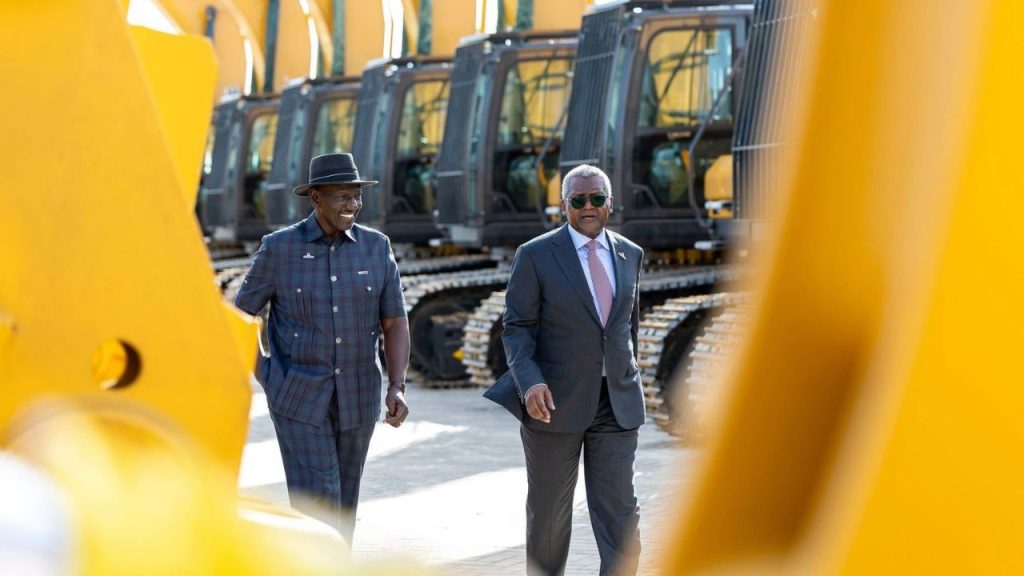
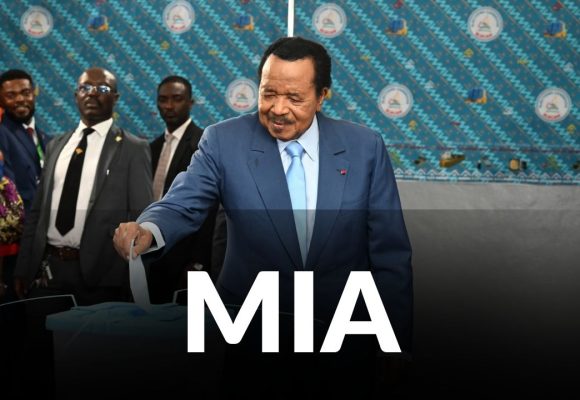
Ruto toured Lekki on Sept. 25, then described Dangote as his “brother” in a post on his official account.
On Tuesday, he told crowds in Kilifi and Kwale that the project would proceed despite court orders, blaming what he called disgruntled opposition sponsors.
“Mwekezaji hataki masharti, anataka incentives,” Ruto said in Kiswahili, meaning an investor wants incentives, not conditions.
He also claimed Dangote had been frustrated out of earlier Kenyan investments under former President Uhuru Kenyatta.
Politics helps explain the urgency.
A Trends and Insights for Africa survey in June found three in four Kenyans believe the country is headed in the wrong direction.
Even so, Ruto leads a split 2027 field, at 24 percent in that poll and 32 percent in Infotrak’s.
An unpopular yet unrivaled leader has every reason to want a showpiece before the election.
Makueni Sen. Dan Maanzo said he believes the refinery is part of Ruto’s campaign.
Lamu Families Say the Site Is Ancestral Land
Salim Tima Swale and 132 other residents of Chandavai went to court, saying the site holds homes, farms, mosques, shrines and family graves.
Justice Jane Onyango of the Malindi Environment and Land Court declined to stop the groundbreaking but ordered all sides to keep the status quo until an Oct. 14 hearing.
Speaking to investors in Nairobi, Dangote called such legal fights “normal for us in Africa.”
Treasury Cabinet Secretary John Mbadi blamed land cartels and brokers for inflated claims.
“How do you ask for Ksh.30 million for a plot valued at Ksh.60,000?” Mbadi said.
Lamu has seen a fight like this before.
A national environmental tribunal canceled the license for a planned coal plant in the archipelago after finding that public participation fell short.
Greenpeace Africa wants approvals paused until an independent environmental review is done and local communities are fully consulted.
“Lamu’s mangroves, coral reefs and seagrass beds are not expendable,” the group said.
Lawmakers Want to See the Contract
Senate Deputy Minority Leader Edwin Sifuna raised the matter on the Senate floor as the ceremony went ahead.
“None of us has seen the agreement on that refinery,” Sifuna said.
Tetu lawmaker Geoffrey Wandeto called the deal “technically an ambush of information.”
He questioned how talks moved from Tanga, Tanzania, to a Lamu groundbreaking within a few months.
Dangote has given his own account, saying talks began in Nairobi in April, when Tanga was the first choice because of the Uganda pipeline.
Lamu won out, he told Citizen TV, because it offered enough water, deep-sea access, and good land.
People’s Party of Kenya leader Ndindi Nyoro demanded full disclosure of shareholders and alleged, without offering evidence, that Ruto seeks stakes in major investments.
Mbadi rejected that claim, saying Ruto holds no shares in the project.
Crude Supply Remains the Unanswered Question
Unlike Nigeria, Kenya has no commercial oil output yet.
By one business-press estimate, the plant needs more than 600,000 barrels a day of regional crude to run at full capacity.
Projections put South Sudan at 350,000 barrels, Uganda at 250,000, and Kenya at 120,000, with Kenya’s own output expected to start only late this year.
Ruto has told Dangote that Kenya is working on a route to move Turkana crude to Lamu.
Ndii estimates regional demand at 20 million to 30 million metric tons of petroleum products a year.
Dangote has shown he can build a refinery. Kenya now has to show it can build one without leaving its own people outside the gate.






LEAVE A COMMENT
You must be logged in to post a comment.