

|
LISTEN TO THIS THE AFRICANA VOICE ARTICLE NOW
Getting your Trinity Audio player ready...
|
Editor’s note: We have used our sources’ first names only to prevent prejudgment of their comments along ethnic lines.
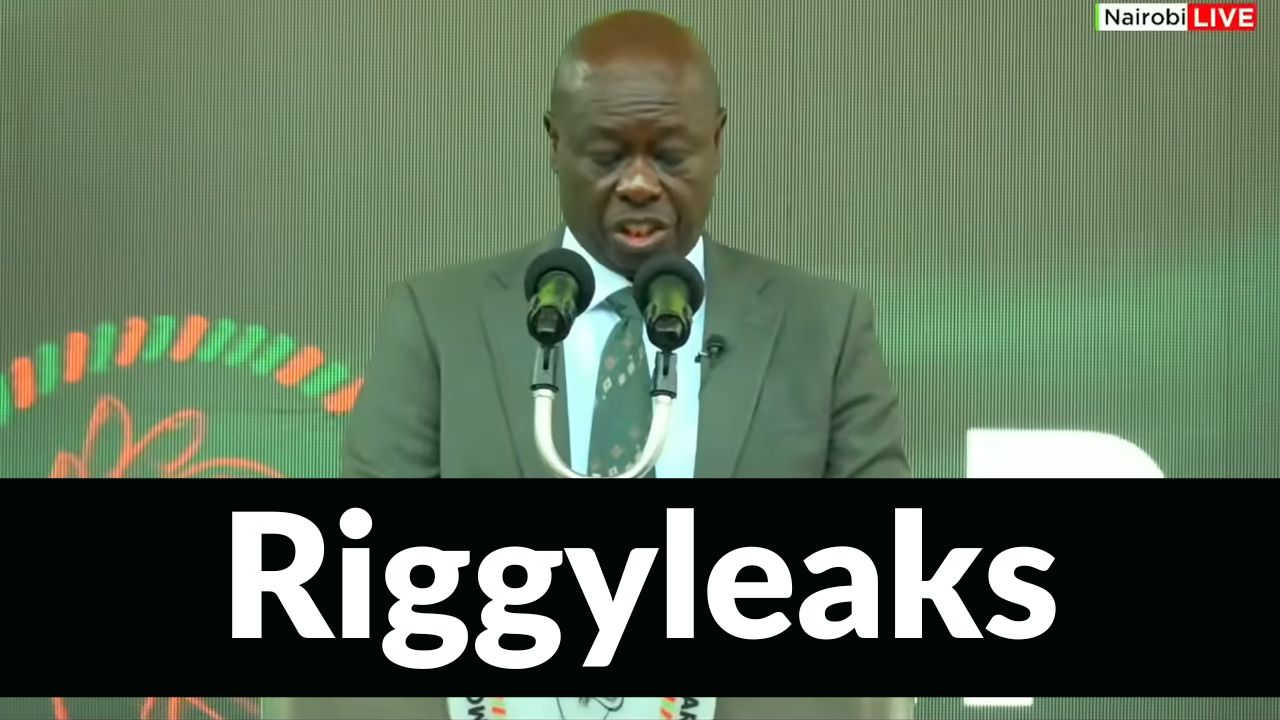
Former Deputy President Rigathi Gachagua used his highly anticipated address to mark exactly a year before Kenya’s 2027 election.
The Africana Voice asked seven Kenyans from different backgrounds what they made of it.
Why This Speech Matters Beyond Kenya’s Borders
Kenya’s 2027 election is now less than 1 year away and will test whether a fractured opposition can unite against President William Ruto. The elections will also test how Kenyans process grief, grievance and disinformation in the same political moment.
Gachagua’s speech, delivered at Democracy for Citizens Party headquarters, pulled all three into one narrative. The diaspora is watching closely because Kenya’s political stability shapes regional investment, migration patterns and East Africa’s diplomatic weight.
A Speech Built for Maximum Political Effect
Gachagua was impeached as deputy president in October 2024 and later formed the DCP. He delivered his “Ruto at 4” address, billed as a State of the Nation-style assessment of the president’s administration, on Tuesday, August 11, 2026, a date opposition supporters quickly noted fell precisely a year before the next general election. He accused Ruto’s government of a widespread breakdown of law and order, alleging that criminal gangs had been folded into the police command structure and that extrajudicial killings had gone unpunished.
The speech’s most explosive section concerned the circumstances surrounding Raila Odinga’s death and his final medical treatment. Gachagua called for a public inquest into Raila’s death, General Francis Ogolla’s death and other high-profile deaths under Ruto’s administration, though he presented no evidence for the claims.
Editor’s note: Hospital officials in India attributed Raila Odinga’s death to cardiac arrest during medical treatment on October 15, 2025. A military board of inquiry separately concluded General Ogolla’s helicopter crashed due to engine failure after analyzing six possible causes. Gachagua’s call for an inquest does not present evidence contradicting either finding.
Praise for Holding Ruto to Account
Kexiah, one of seven Kenyans Africana Voice interviewed, called the speech a strong performance. “I especially liked how he went promise by promise and asked Ruto why they have not been kept,” she said.
She graded it an A, adding it captured how she feels about “Kasongo,” a derisive nickname critics use for the president.
Asked whether Gachagua should become president, Kexiah drew a sharp line. “Riggy G is not presidential material,” she said. “He is there to mobilize people for Wantam.”
Wantam is Kenyan shorthand for limiting Ruto to a single term, a rallying cry among his opponents.
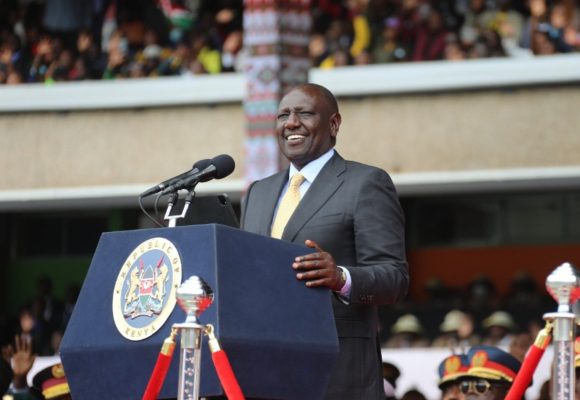
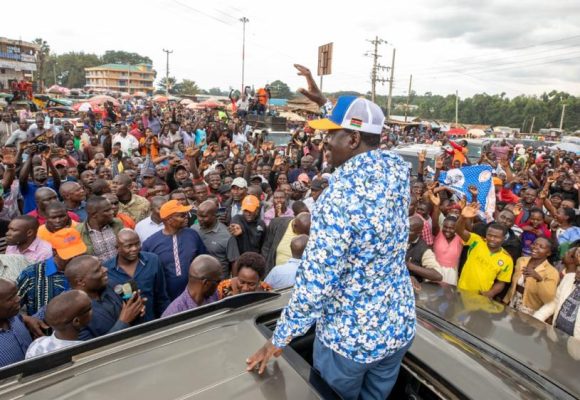
Former Deputy President Rigathi Gachugua addressed the nation on August 11, 2026
Comedy That Turned Uncomfortable
Salome found the speech entertaining until it wasn’t. “I liked the exposés, now we have Riggyleaks,” she said, describing herself nodding along in agreement.
Her tone shifted when Gachagua raised the Raila and Ogolla allegations together.
“It was almost as if Ruto is responsible for the death of every famous Luo who died recently,” she said. “I thought he was going to accuse Ruto of killing Jaramogi,” a reference to Raila’s late father and independence-era leader Oginga Odinga.
Salome scored the speech an A for comedy and an F for substance.
She rejected the idea of Gachagua as president outright, citing what she called his tribalism.
She also found his framing of Raila’s death hollow.
“It’s not like Riggy G and Raila were best friends,” she said, “so why pretend he cares?”
A Self-Described Superfan Sees a Future President
Barry, who called himself “Riggy G’s number one fan,” admired the speech’s aggression.
“There are no boundaries he won’t cross with Ruto, and I love it,” he said.
He praised the timing, noting it forced the country to focus on the one-term movement a full year out.
Barry gave the speech an A++ and said he would vote for Gachagua without hesitation.
He acknowledged that Gachagua faces an uphill battle winning votes nationwide because of the so-called “shares narrative,” a label Barry believes was manufactured to make Gachagua look unappealing to non-Kikuyu voters.
Editor’s note: The “shares narrative” refers to a 2024 speech Gachagua gave while serving as deputy president, in which he appeared to suggest that ethnic groups who did not vote for Ruto had no shares in government and would not be served by the administration. The remarks drew nationwide backlash and are widely cited as a factor in his later impeachment.
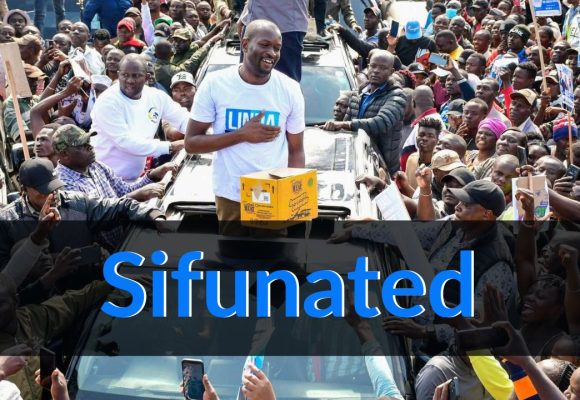
Barry said his fallback would be Kalonzo Musyoka, arguing that Nairobi Senator Edwin Sifuna, who has captured Kenyans’ imagination, was untested to run a country like Kenya.
Impressive Delivery, Unbelievable Claims
Martin sat through the entire address, which he said he rarely does. “It was very well organized, and he delivered it well,” he said. “My only problem was the exaggerations.” He joked he would not have been surprised had Gachagua blamed Ruto for the crucifixion of Jesus Christ.
Martin compared the speech’s pacing to a soap opera, saying the suspense kept him watching.
Still, he graded it a C-minus, objecting to how Gachagua invoked Raila’s death for political gain.
“We all know he hated Raila,” Martin said. “He didn’t even attend his funeral, and suddenly now he cares about his death?”
Martin identified with the “Tutam” camp, meaning he supports Ruto serving a second term.
He said he actually hopes the opposition selects Gachagua as its unified candidate.
“Hiyo tutamaliza asubuhi na mapema,” he said, meaning Ruto would handily defeat the opposition if Gachagua were its candidate, since Martin believes Kenyans view Gachagua as a tribalist.
Fearless but Not Fit to Govern
Silvia described the speech as depressing overall.
She said invoking Raila’s death to attack Ruto crossed a line.
“He wants to incite Luos to turn against the government, and he’s not even hiding it,” she said.
Silvia admitted she had not watched the full address but caught the segments covering the most serious allegations.
She gave the speech a B, saying Gachagua’s willingness to confront Ruto reminded her of Raila’s own fearlessness.
Asked if she would consider voting for Gachagua, she declined, saying his value lies in opposition, holding government accountable rather than leading it.
A Complaint Without a Cure
Alex called the speech “crazy” but meant it as a compliment. Like Kexiah, he said it exposed corruption inside the Ruto administration.
“I cannot imagine where our country is going if they’re stealing kshs 2 million every minute,” he said.
Alex praised Gachagua for what he described as a network of leakers feeding him information.
“He shared it with us the people,” Alex said.
He scored the speech a C+, arguing Gachagua only pointed out problems without offering solutions.
Editor’s note: The “kshs 2 million every minute” figure could not be independently verified against a Controller of Budget, Auditor General or Ethics and Anti-Corruption Commission report. It is presented here as Alex’s characterization of the speech, not as a confirmed statistic.
Alex said the speech alone would not win his vote, though he is open to a ticket with Gachagua as one of the principals rather than the top of it.
Asked who he would actually vote for, he named Sifuna, the Linda Mwananchi leader, echoing Barry’s fallback pick above.
“He is my guy,” Alex said.
Alex was blunt about why he is keeping Gachagua at arm’s length.
“I think Gachagua is too bitter,” he said. “You don’t want a guy with such bitterness and anger issues running the country.”
Demanding Evidence Before Belief
Arun offered the sharpest rebuke. He called the Al Shabab allegation reckless, saying Gachagua accused the government of dealing with the militant group without producing evidence.
Arun urged journalists to fact-check the speech quickly before its claims calcify into accepted fact.
Editor’s note: Independent reporting reviewed for this piece has not corroborated Gachagua’s allegation that the government has dealings with Al Shabab. It is presented as Arun’s account of a claim made during the speech, not as an established fact.
Arun ruled out ever voting for Gachagua, arguing his push for the presidency is reckless given his 2024 impeachment.
He said he would only support Kalonzo Musyoka or Ruto, calling them the only candidates who could guarantee Kenya’s stability heading into 2027.
What the Allegations Leave Unanswered
The gap between Gachagua’s claims and the official record is the story within the story. Investigators ruled Ogolla’s crash an accident. Doctors in India documented Raila’s cardiac arrest in real time. Yet seven Kenyans interviewed by Africana Voice, regardless of political leaning, all remembered the death allegations or the corruption claims as the speech’s defining moments. That reaction points to a deeper trust deficit between citizens and official explanations, one Gachagua is positioned to exploit whether his claims hold up or not.
The Math Kenya Faces Before 2027
The Wantam and Tutam divide runs through every conversation Africana Voice had, cutting across class, region and party loyalty. Gachagua’s challenge is converting theatrical boldness into broad electability, something several respondents doubted he can do alone. The “shares narrative” haunts him even among sympathizers like Barry, who see it as manufactured, while critics like Martin treat it as settled fact.
Two respondents named Edwin Sifuna as their fallback and two more named Kalonzo Musyoka, suggesting the opposition’s real fight may happen before Kenyans ever reach the ballot in 2027. Sifuna’s Linda Mwananchi movement is still working through party registration, a process worth watching as closely as the speeches themselves.



LEAVE A COMMENT
You must be logged in to post a comment.