


|
LISTEN TO THIS THE AFRICANA VOICE ARTICLE NOW
Getting your Trinity Audio player ready...
|
The FBI has intensified the manhunt for the gunman who killed conservative activist Charlie Kirk, offering a $100,000 reward for information leading to the suspect’s arrest and releasing new surveillance footage of the alleged shooter fleeing across the roof of Utah Valley University. Officials say the reward has already generated thousands of tips and hundreds of interviews. At the same time, investigators recovered a high-powered rifle believed to have been used in the attack along with shoe prints, palm impressions, and other evidence near the scene. Despite the influx of leads, no arrests have been made, and authorities are urging the public to study the newly released video and photos of the college-aged suspect in hopes of breaking the case.

The Assassination
Charlie Kirk, the 31-year-old founder of Turning Point USA, was shot and killed on September 10, 2025, during a campus event at Utah Valley University. The event, part of his “American Comeback Tour,” was intended to showcase debates with students under the banner “Prove Me Wrong.” Authorities are investigating the shooting, which has already ignited fierce debate about political violence in America.
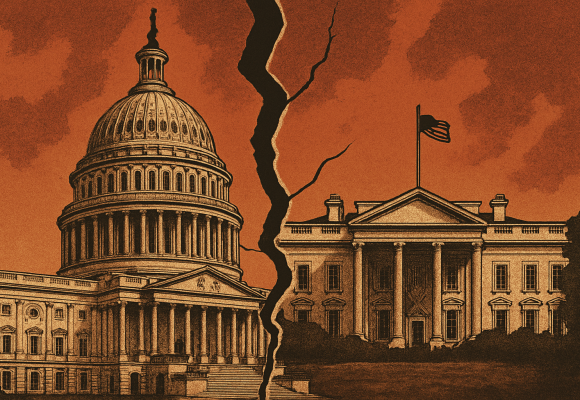
Kirk’s death is the latest in a troubling string of high-profile political attacks across the ideological spectrum, raising urgent questions about safety, free speech, and the consequences of heated rhetoric in U.S. politics.
Who Was Charlie Kirk?
Born in Illinois in 1993, Kirk dropped out of college to launch Turning Point USA in 2012 at the age of 18. He built it into a sprawling conservative youth organization with thousands of campus chapters, known for criticizing higher education as “indoctrination factories” and promoting free-market and Christian values.
Kirk later expanded into media with Turning Point Action and his daily radio show, becoming one of the most recognized conservative voices of his generation. Admirers saw him as fearless and relatable to young conservatives. Critics viewed him as divisive, confrontational, and prone to amplifying false or misleading claims, particularly during elections, the COVID-19 pandemic, and social issues.
A Steadfast Gun Rights Defender
One of Kirk’s most controversial positions came in April 2023. At a Turning Point USA event in Salt Lake City, Utah.
“I think it’s worth to have a cost of, unfortunately, some gun deaths every single year so that we can have the Second Amendment to protect our other God-given rights. That is a prudent deal. It is rational.”
Now, after his assassination by gunfire, the statement appears as tragic irony: a man who accepted gun deaths as collateral for freedom has become one of them.
Polarizing Rhetoric on Race and DEI
While Kirk’s career thrived on sharp cultural critiques, many of his comments about race drew widespread condemnation:
- On Black professionals: He once said, “If I see a Black pilot, I’m going to be like, ‘boy, I hope he’s qualified,’” a remark critics saw as echoing racist stereotypes about competence.
- On prominent Black women: He repeatedly dismissed figures such as Michelle Obama, Justice Ketanji Brown Jackson, Journalist Joy Ann Reid, and Rep. Sheila Jackson Lee as “affirmative action picks” or DEI hires, implying their accomplishments were not based on merit.
- On Martin Luther King Jr.: Kirk called MLK “awful” and claimed his legacy was overinflated because of “one thing he didn’t actually believe.” He also described the Civil Rights Act of 1964 as a “huge mistake.”
- On Juneteenth: Kirk opposed its recognition as a federal holiday, arguing, “This holiday is not about celebrating emancipation regardless of the veneer they put on it.”
Supporters defended these statements as critiques of identity politics, meritocracy, and “woke” culture. Critics saw them as racially charged, harmful, and dismissive of Black achievement and history.
Conservative Reactions: Mourning and Anger
Kirk’s killing produced a wave of grief and fury among conservative leaders and influencers:
- Donald Trump called him “The Great, and even Legendary, Charlie Kirk” and ordered U.S. flags flown at half-staff. He blamed the “radical left” for demonizing people like Kirk.
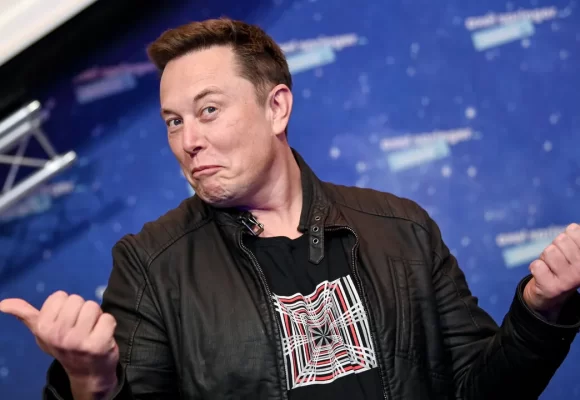
- Elon Musk accused liberals of “celebrating Kirk’s death,” calling them “evil” and branding them the “party of murder.” He also described the shooting as an “act of war.”
- Laura Loomer went further, claiming: “They sent a trained sniper to assassinate Charlie Kirk … The Left are terrorists.” She circulated unverified claims of media outlets celebrating his death and declared, “Charlie Kirk gave his life for America.”
These responses framed Kirk not only as a victim but as a martyr, with his death seen as proof that conservatives are being targeted in a culture war. The rhetoric, often incendiary, amplified partisan blame and accusations.
Liberal Reactions: Condemnation and Calls for Restraint
Liberal leaders also denounced the killing, but with a markedly different emphasis:
- Governor Gavin Newsom called the attack “disgusting, vile, and reprehensible,” stressing that disagreements must never escalate into violence.
- Governor Josh Shapiro warned that political violence is “horrifying” and urged leaders to speak with “moral clarity” while lowering rhetoric across the board.
- Governor J.B. Pritzker described the killing as “horrifying,” emphasizing that political rhetoric “often foments” this kind of violence and cautioning against normalizing it.
These responses focused less on partisan blame and more on condemning violence as unacceptable in any form. They tied the incident to a broader need for de-escalation, gun control, and renewed commitment to democratic norms.
A Broader Pattern of Political Violence
Kirk’s killing follows other recent acts of political violence targeting liberal figures:
- In June 2025, Minnesota House Speaker Melissa Hortman, a Democrat, was assassinated alongside her husband, with other Democratic legislators wounded in related shootings.
- Earlier in 2025, Pennsylvania Governor Josh Shapiro’s residence was firebombed, highlighting threats faced by liberal leaders.
The juxtaposition of Kirk’s death with attacks on liberals underscores a troubling trend that political violence is not confined to one party or ideology but reflects an escalating national crisis.
Legacy and Debate
Kirk’s career was defined by his ability to inspire and provoke. Supporters hail him as a fearless defender of conservative youth and Christian values, but critics view him as a chief amplifier of division, conspiracy theories, and racial resentment.
His death adds a new layer: he is now a symbol in the larger debate over political violence. Conservatives mourn him as a martyr silenced by political enemies. Liberals condemn the violence but resist partisan blame, urging broader reflection on how political discourse fuels extremism.
What is clear is that Kirk’s short but high-impact career, and his violent death, have cemented his place in America’s story of polarization, culture wars, and the perilous intersection of speech and violence in modern politics.



LEAVE A COMMENT
You must be logged in to post a comment.