

|
LISTEN TO THIS THE AFRICANA VOICE ARTICLE NOW
Getting your Trinity Audio player ready...
|
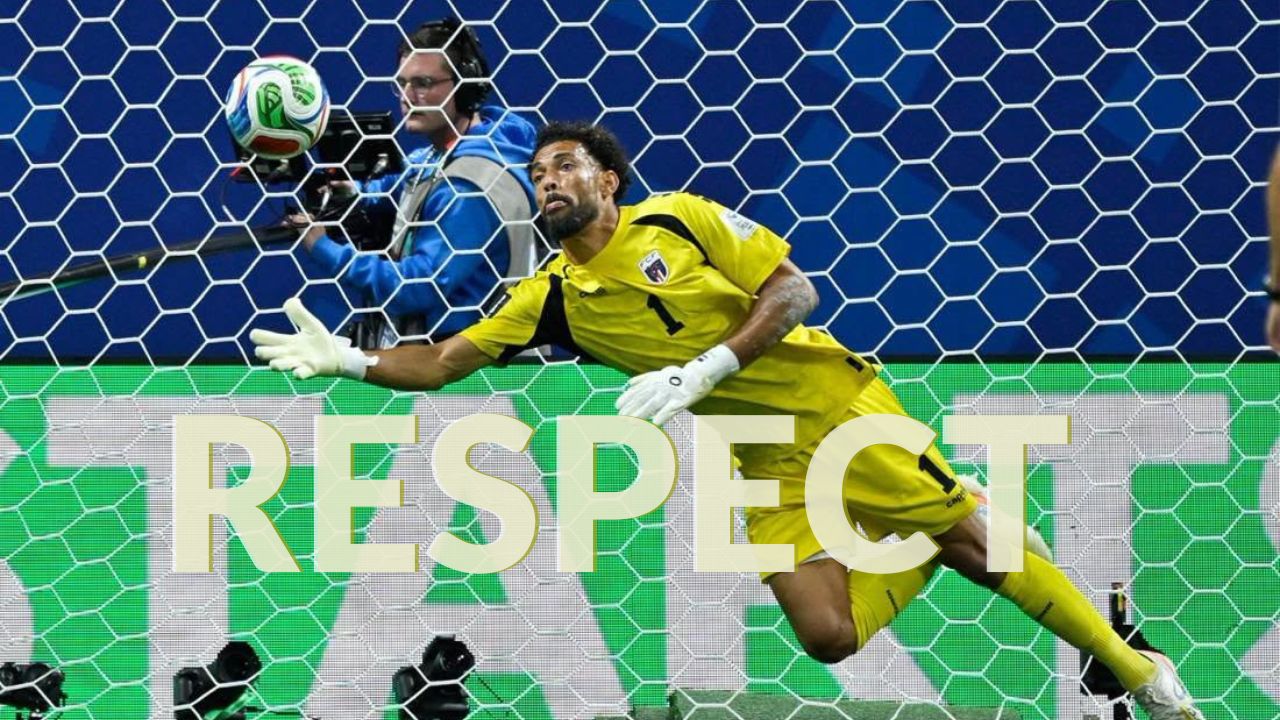
Cape Verde pushed defending champion Argentina to extra time on Friday before falling 3-2 in Miami, closing one of the boldest debuts in World Cup history. The result also marked Africa’s eighth exit from the knockout stage, humbling a continent that arrived with record ambition.
For African and diaspora audiences, the stakes go beyond one match. Africa sent a record 10 nations to the 2026 World Cup, and nine advanced to the knockout rounds for the first time in tournament history, doubling the previous continental record of two. A record 10 African nations qualified for the expanded 2026 tournament, and nine reached the round of 32, the most from the continent in a single World Cup. That surge has now given way to a wave of eliminations, leaving only two African teams standing.
A Debut for the Ages Ends in Miami
Cape Verde, ranked 67th in the world and the third smallest nation ever to play at a World Cup, had not lost a match all tournament before Friday. Lionel Messi put Argentina ahead in the first half, but Deroy Duarte equalized late to force extra time. Cristian Romero’s header off a Messi corner in the 111th minute proved decisive, later credited as an own goal off defender Diney Borges.
Goalkeeper Vozinha became a tournament sensation for the islanders, first for a scoreless draw against Spain and again against Argentina. Vozinha finished with eight saves, four against Messi alone, including two direct free kicks. Cape Verde’s exit ends the run, but not the story African fans will tell about it.
Africa’s Knockout Wall
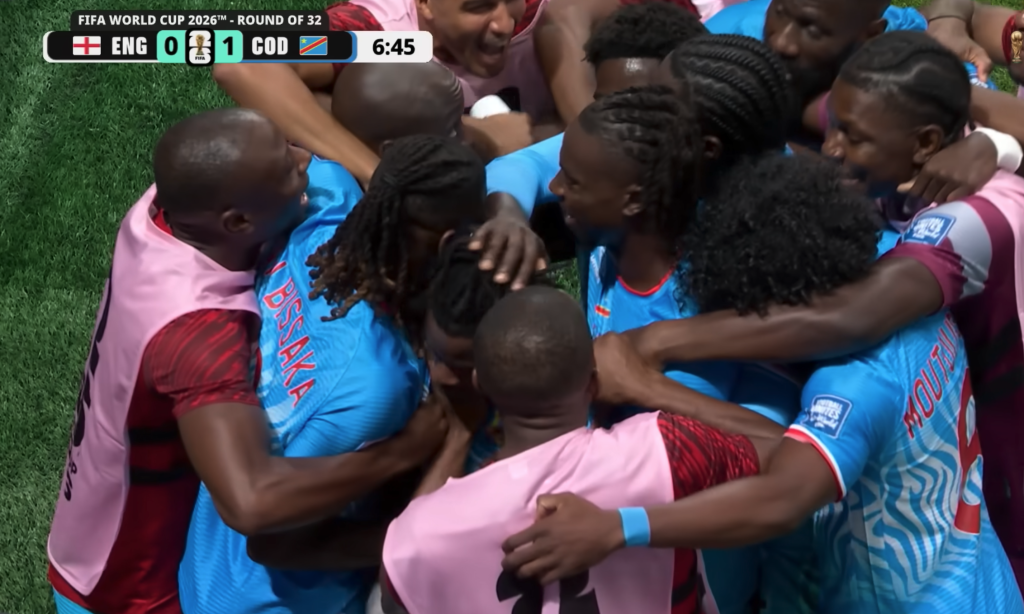
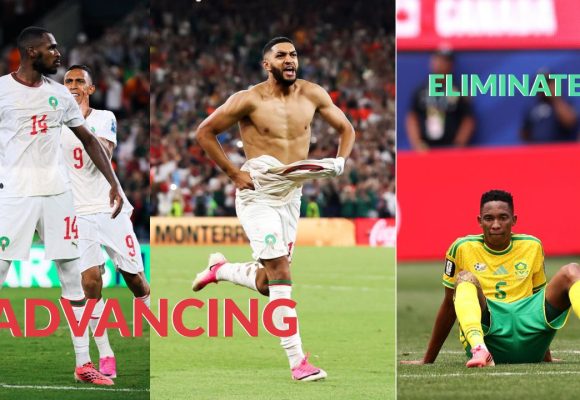
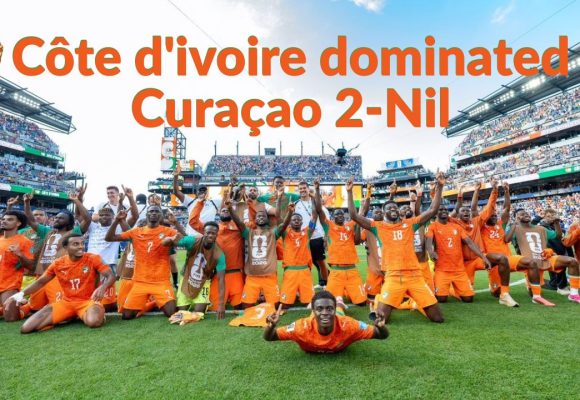
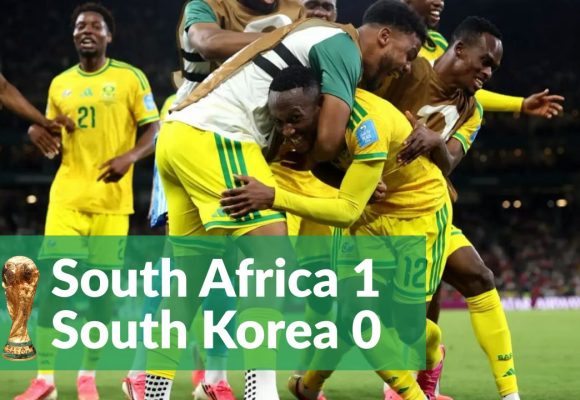
Cape Verde’s departure brought Africa’s Round of 32 casualty list to seven, joining South Africa, Ivory Coast, DR Congo, Senegal, Algeria and Ghana. Tunisia had already exited in the group stage, meaning eight of Africa’s 10 qualifiers are now out of the tournament. Only Morocco and Egypt remain.
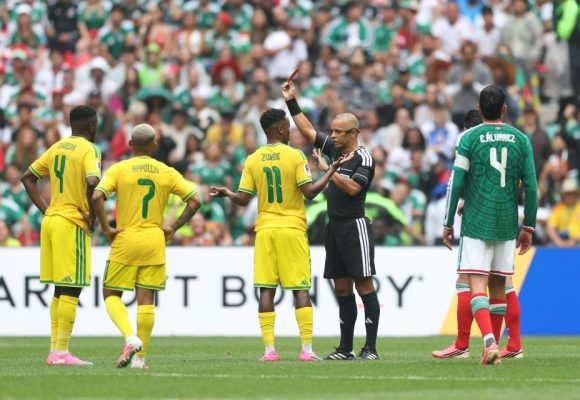
South Africa lost to co-host Canada on a stoppage-time goal despite reaching the knockouts for the first time. DR Congo led England before falling 2-1. Senegal surrendered a two-goal lead to Belgium in extra time, and Algeria could not solve Switzerland. Ivory Coast, DR Congo and Senegal each conceded a decisive goal in the 86th minute of their matches, an unusual pattern across three separate games. Ghana closed the run Friday, losing 1-0 to Colombia.
Two Survivors Carry the Continent’s Hopes
Morocco and Egypt now represent African ambitions for a first World Cup title. Morocco advanced on penalties after Issa Diop’s stoppage-time header forced extra time against the Netherlands, and the Atlas Lions next face Canada on Saturday. Egypt beat Australia on penalties on Friday and will meet the survivor of the Argentina-Cape Verde match in the Round of 16.
Morocco’s run carries extra weight given the country’s 2022 semifinal appearance and its role as co-host of the 2030 World Cup. Egypt, appearing in the knockout stage for the first time, has leaned on Mohamed Salah to carry a squad that entered the tournament as underdogs in its own group.
Confidence, Not Talent, Is the Missing Piece
Nigerian football analyst Clinton McDubus argued the continent’s problem was not ability but belief. McDubus said African teams have shown they can compete toe-to-toe with top European sides, pointing to South Africa’s defeat to Canada as an example of a stronger team playing like an underdog. He also rejected the idea that Africa’s Round of 32 losses undercut the continent’s expanded allocation of World Cup places.
DR Congo forward Fiston Mayele offered a different perspective after his side’s win over Uzbekistan sealed a knockout berth that was later ended by England. Mayele called the achievement historic for Congo and said the whole country was proud. Teammate Yoane Wissa framed the tournament as proof that African federations can plan for the long term rather than for a single campaign.
CAF President Patrice Motsepe struck a similar note before the exits piled up. Motsepe described the qualification of nine African teams as a landmark moment for African football, crediting years of investment in coaching and youth development across the continent.
Africa’s World Cup story in 2026 will not be remembered for a trophy. It will be remembered for Cape Verde’s sons of fishermen taking Argentina to the brink, for Congo’s first knockout win, and for a record nine teams proving they belonged. Morocco and Egypt now carry that proof into the Round of 16, and the rest of the continent will be watching every minute.





LEAVE A COMMENT
You must be logged in to post a comment.