

|
LISTEN TO THIS THE AFRICANA VOICE ARTICLE NOW
Getting your Trinity Audio player ready...
|
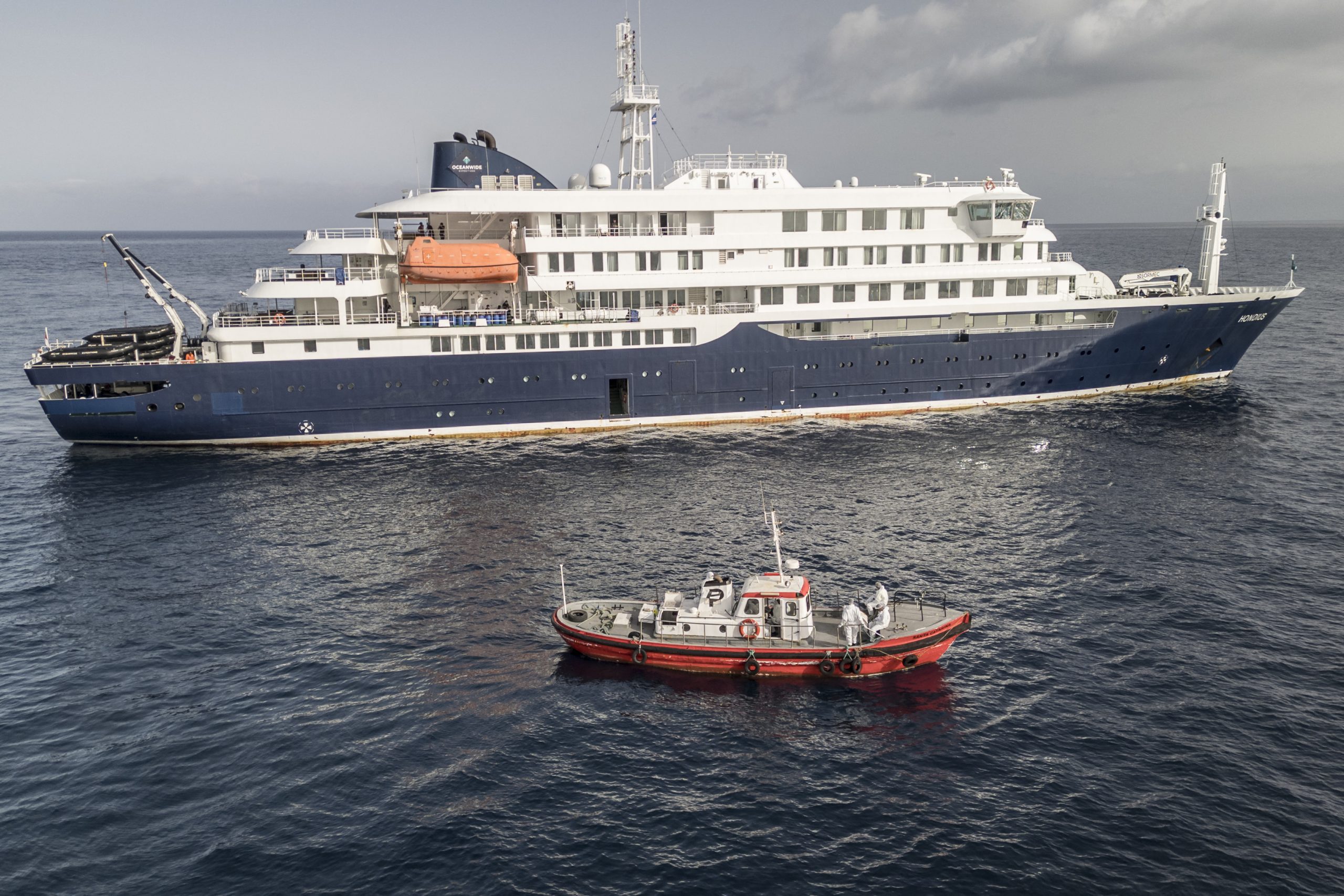
The 88 passengers who boarded the MV Hondius in southern Argentina at the start of April had envisioned a trip of a lifetime.
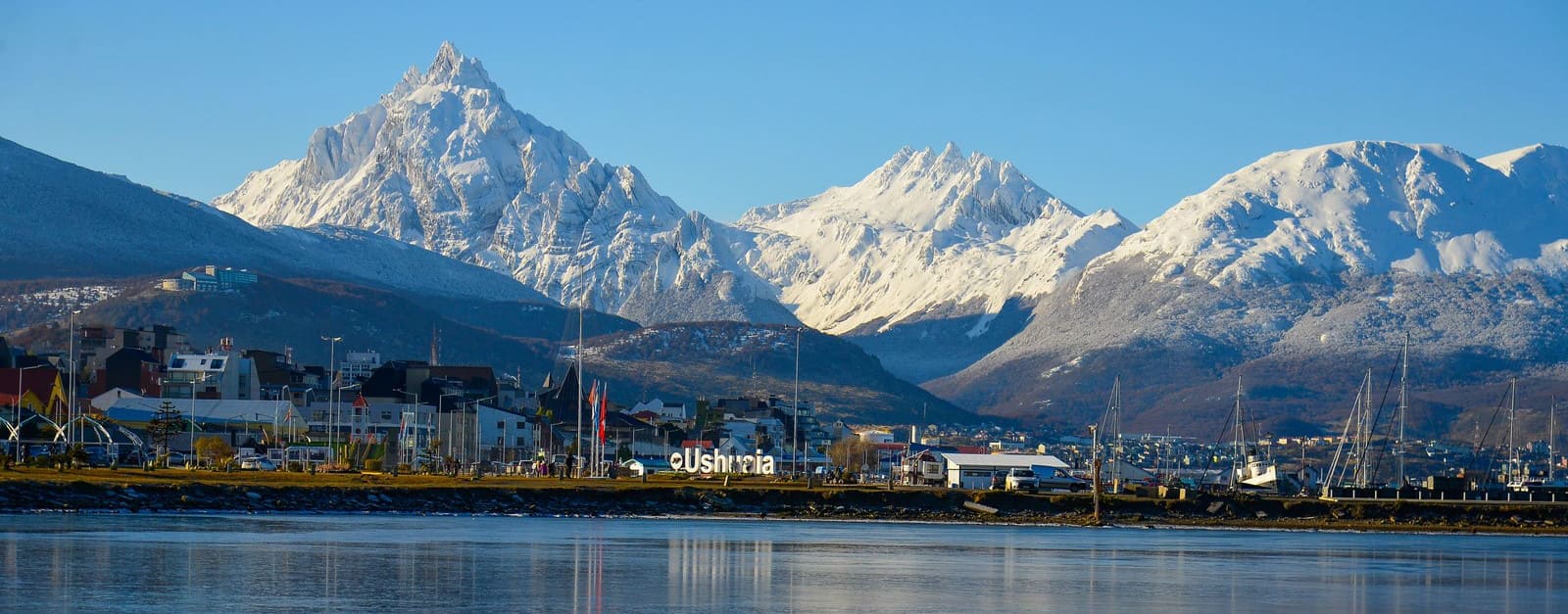
The Dutch-flagged expedition cruise ship had set out from Ushuaia, a small city at the southern tip of Argentina often referred to as “the end of the world.” It is the principal gateway to Antarctica, where thousands of adventure tourists begin voyages to some of the planet’s most isolated and dramatic landscapes.
The itinerary promised extraordinary sights: the frozen wilderness of mainland Antarctica, the rugged cliffs of South Georgia, the volcanic isolation of Tristan da Cunha, the remote British territory of Saint Helena; the island where Napoleon Bonaparte spent his final years in exile; and Ascension Island, one of the most isolated inhabited islands in the Atlantic Ocean.
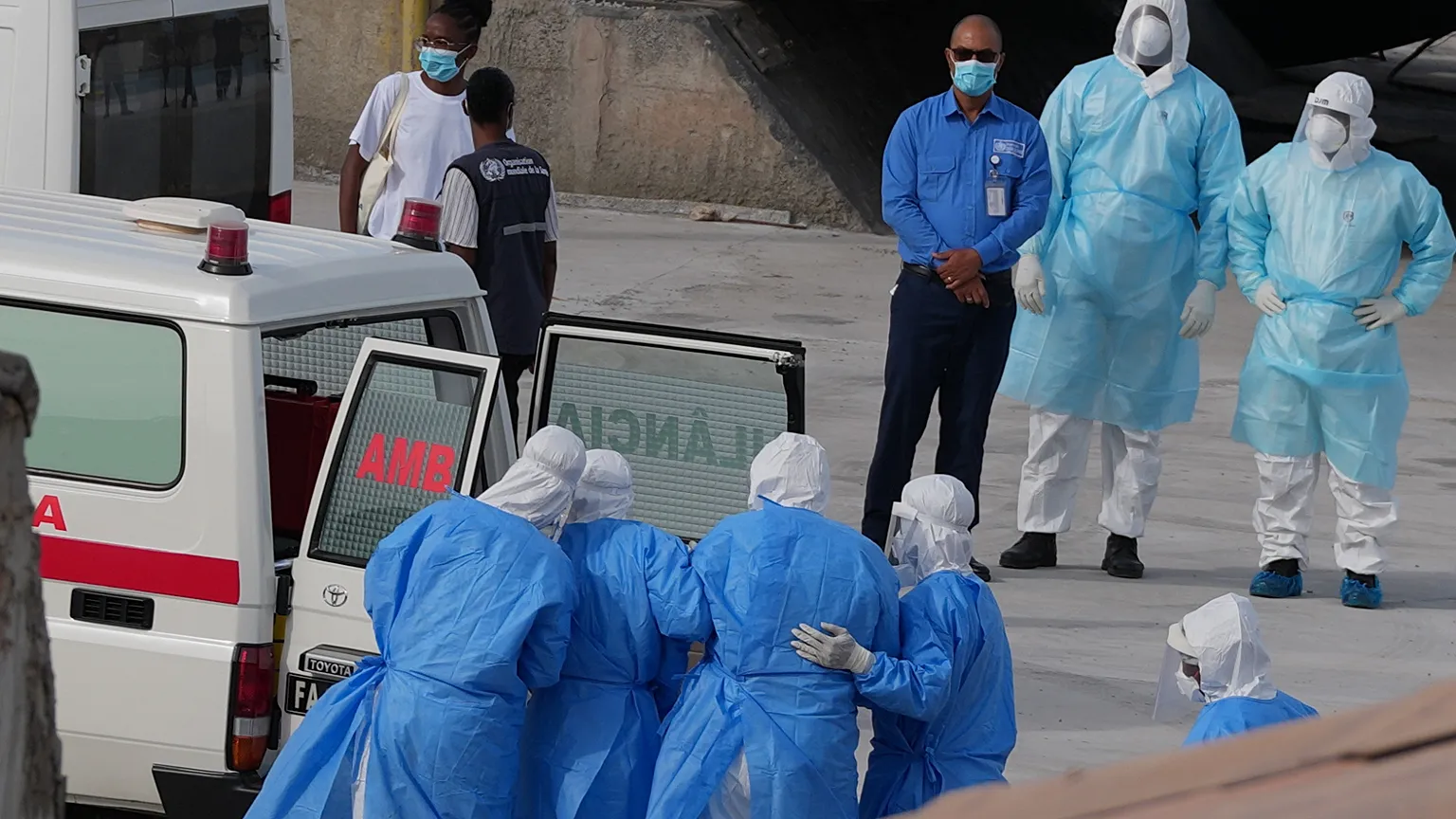
Instead, the month-long eco-tourism expedition has become the centre of a rapidly unfolding public health emergency after multiple passengers developed severe respiratory illness linked to hantavirus, a rare but potentially deadly disease usually transmitted by rodents.
What began as isolated illnesses aboard the vessel has escalated into an international epidemiological investigation involving several governments, the World Health Organization, specialist laboratories in Africa and Europe, and health authorities now tracing passengers across multiple continents.
By press time, the outbreak has left three people dead, several others under medical observation, and global health officials scrambling to understand how such a rare disease found its way onto a cruise ship carrying travellers from 23 countries.
What Happened Aboard the MV Hondius?
According to the WHO’s latest situation report issued on May 4, the vessel was carrying 147 people, including 88 passengers and 59 crew members, when a cluster of severe respiratory illness was formally reported on May 2.
By that point, the situation had already been unfolding for weeks. The first known case involved an adult male passenger who developed symptoms on April 6, just days after the ship departed Ushuaia. Initially, his illness appeared relatively mild: fever, headache and diarrhoea. But within days, his condition deteriorated dramatically.
By April 11, he had developed acute respiratory distress, a life-threatening condition in which the lungs can no longer supply sufficient oxygen to the body. He died on board that same day.
At the time, no laboratory testing was conducted, leaving the cause of death unexplained. His body was later removed from the vessel when it docked at Saint Helena on April 24.
Then came the second death. An adult female passenger believed to have been in close contact with the first victim disembarked at Saint Helena on April 24 after developing gastrointestinal symptoms.The woman’s condition worsened rapidly during a commercial flight to Johannesburg the following day. She died shortly after arrival at an emergency department on April 26.
Subsequent PCR testing confirmed she had been infected with hantavirus. That diagnosis transformed what had seemed like isolated onboard medical emergencies into an international outbreak investigation.
A third confirmed patient, an adult male, developed fever and respiratory symptoms on April 24. His condition worsened over the following days and he was medically evacuated from Ascension Island to South Africa, where he remains in intensive care after laboratory confirmation of hantavirus infection.
A fourth passenger later died after developing pneumonia-like symptoms.
As of the WHO’s latest assessment, seven cases have been identified, including two laboratory-confirmed infections and five suspected cases.
Among them are three deaths, one critically ill patient in intensive care, and several passengers with mild symptoms under observation
Why This Outbreak Has Alarmed Health Officials Worldwide
Hantavirus is not a disease most people think about.
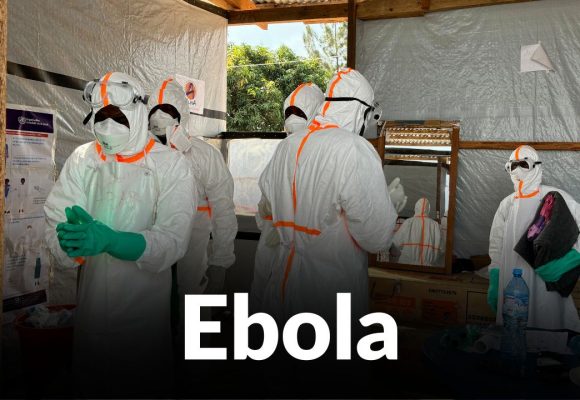
Unlike more familiar global health threats such as influenza, Ebola or COVID-19, hantavirus infections are relatively rare. Yet they are among the deadliest viral infections known to public health specialists.
In the Americas, where the current outbreak appears to be linked, hantavirus can cause Hantavirus Pulmonary Syndrome (HPS), also known as Hantavirus Cardiopulmonary Syndrome (HCPS).
The disease attacks the lungs and cardiovascular system.
Its early symptoms are deceptively ordinary:
- Fever
- Headache
- Muscle aches
- Chills
- Nausea
- Vomiting
- Diarrhoea
- Abdominal pain
These signs often resemble influenza or common stomach infections. That similarity makes early diagnosis difficult. Then, often with little warning, patients can rapidly deteriorate. Fluid begins accumulating in the lungs. Blood pressure collapses.Breathing becomes impossible without intensive medical intervention.
In severe cases, patients can enter shock and die within hours.The case fatality rate in the Americas can reach 50 percent, making it one of the world’s most lethal respiratory viral illnesses.
There is currently no approved vaccine, no specific antiviral treatment, and no guaranteed cure. Doctors can only offer supportive intensive care, including mechanical ventilation and, in severe cases, extracorporeal membrane oxygenation (ECMO), which temporarily takes over the function of the lungs and heart.
How Do People Catch Hantavirus?
Hantavirus is typically spread not from person to person, but from infected rodents to humans. People usually become infected after inhaling microscopic particles contaminated by rodent urine, saliva or droppings.
This often happens during activities such as cleaning enclosed spaces with rodent infestations; entering poorly ventilated cabins or sheds; handling contaminated materials; or spending extended time in rodent-heavy rural environments
The virus is generally associated with forests, farms and wilderness settings where rodent populations thrive.
So how did it emerge aboard a modern expedition cruise ship?
That question is now at the centre of the international investigation. Authorities are exploring several possibilities.
The earliest confirmed cases had travelled through South America, including Argentina, before boarding in Ushuaia. Health officials are examining whether exposure may have occurred there. Argentina has reportedly begun rodent trapping and environmental analysis in Ushuaia to determine whether local rodent populations carry the virus.
Investigators are also looking at whether passengers may have encountered contaminated environments during land excursions in remote ecological zones visited during the voyage.
The Andes Virus Concern
What makes this outbreak especially unusual is suspicion that it may involve the Andes virus, a hantavirus strain found in South America.
Unlike most hantaviruses, Andes virus has shown documented, though extremely rare, ability to spread between people. Transmission appears to require close, prolonged contact, typically among family members, caregivers or healthcare workers.That possibility has significantly heightened concern among health authorities. It may explain why some passengers who had close contact with infected individuals are now being closely monitored.
Still, experts stress that such transmission remains exceptionally uncommon. The WHO currently assesses the risk to the general global population as low.
One of the biggest challenges is that the ship was still moving through international waters and stopping at multiple ports as cases emerged.
By the time hantavirus was confirmed, numerous passengers had already disembarked.
According to media reports by the BBC and Reuters, at least 29 to 40 passengers left the vessel at Saint Helena on April 24. They represented at least 12 nationalities. Since then, health authorities in multiple countries have launched tracing operations.
Officials in the United States are monitoring returning passengers. Swiss authorities are observing a symptomatic traveller. Denmark has advised one returning passenger to self-isolate. French health officials are monitoring contacts. Health authorities in the Netherlands and Germany are also managing medically evacuated individuals.
Why Cruise Ships Remain Uniquely Vulnerable
Cruise ships have long posed unique public health challenges. Their confined environments, shared ventilation systems, close social interaction and international passenger populations make them ideal settings for disease surveillance concerns. The COVID-19 pandemic dramatically exposed those vulnerabilities.
But unlike highly contagious respiratory viruses, hantavirus presents a very different challenge. It is not easily spread through casual contact. This means investigators must piece together detailed exposure histories; who shared cabins, who assisted ill passengers, who may have encountered contaminated environments, and whether any rodent exposure occurred during the voyage.
That makes the current investigation unusually complex.
The International Response Now Underway
The response involves authorities from:
- Cabo Verde
- South Africa
- Spain
- Argentina
- United Kingdom
- Netherlands
Specialist laboratory analysis is underway at South Africa’s National Institute for Communicable Diseases and the Institut Pasteur de Dakar.
Passengers remaining aboard have been instructed to:
- Stay in their cabins
- Practise physical distancing
- Monitor symptoms for 45 days
- Maintain strict hand hygiene
- Report any signs of illness immediately
The vessel, after being held off Cabo Verde, is expected to dock in Tenerife.
Spanish authorities have prepared quarantine and repatriation arrangements.
However, the current outbreak is unlikely to trigger a global health crisis. WHO has advised against travel or trade restrictions. Experts continue to stress that the overall public risk remains low.










LEAVE A COMMENT
You must be logged in to post a comment.