

|
LISTEN TO THIS THE AFRICANA VOICE ARTICLE NOW
Getting your Trinity Audio player ready...
|
GAZA CITY, Gaza (TAV) – Palestinians across Gaza and the Israeli-occupied West Bank welcomed recent announcements by Western governments recognizing Palestinian statehood, though many voiced skepticism that the moves would improve their daily lives amid ongoing war, according to reporting from the Associated Press.
Western governments say their recognition is aimed at reviving momentum for a two-state solution, the long-discussed framework that envisions Israel and a sovereign Palestine living side by side in peace and security. By extending recognition, leaders in Europe and North America hope to pressure Israel to accept this arrangement as the only viable path to ending the decades-long conflict.
The wave of recognitions comes after the UN Commission of Inquiry declared that Israel is committing genocide in Gaza. The report estimated that Israel attacks have killed nearly 70,000 Palestinians living in Gaza. Israeli Prime Minister Benjamin Netanyahu is scheduled to address at the United Nations General Assembly on Friday, where he is expected to forcefully push back against pressure from Western nations and reaffirm Israel’s rejection of a Palestinian state.
Over two days, the United Kingdom, Canada, Australia, and Portugal declared recognition of a Palestinian state, followed by France, Belgium, Luxembourg, Malta, Monaco, and Andorra at the opening of a UN meeting focused on reviving the two-state solution. The announcements mark a sharp departure from years of Western hesitation, even as most of the world, more than 150 UN member states, recognized Palestine long ago.
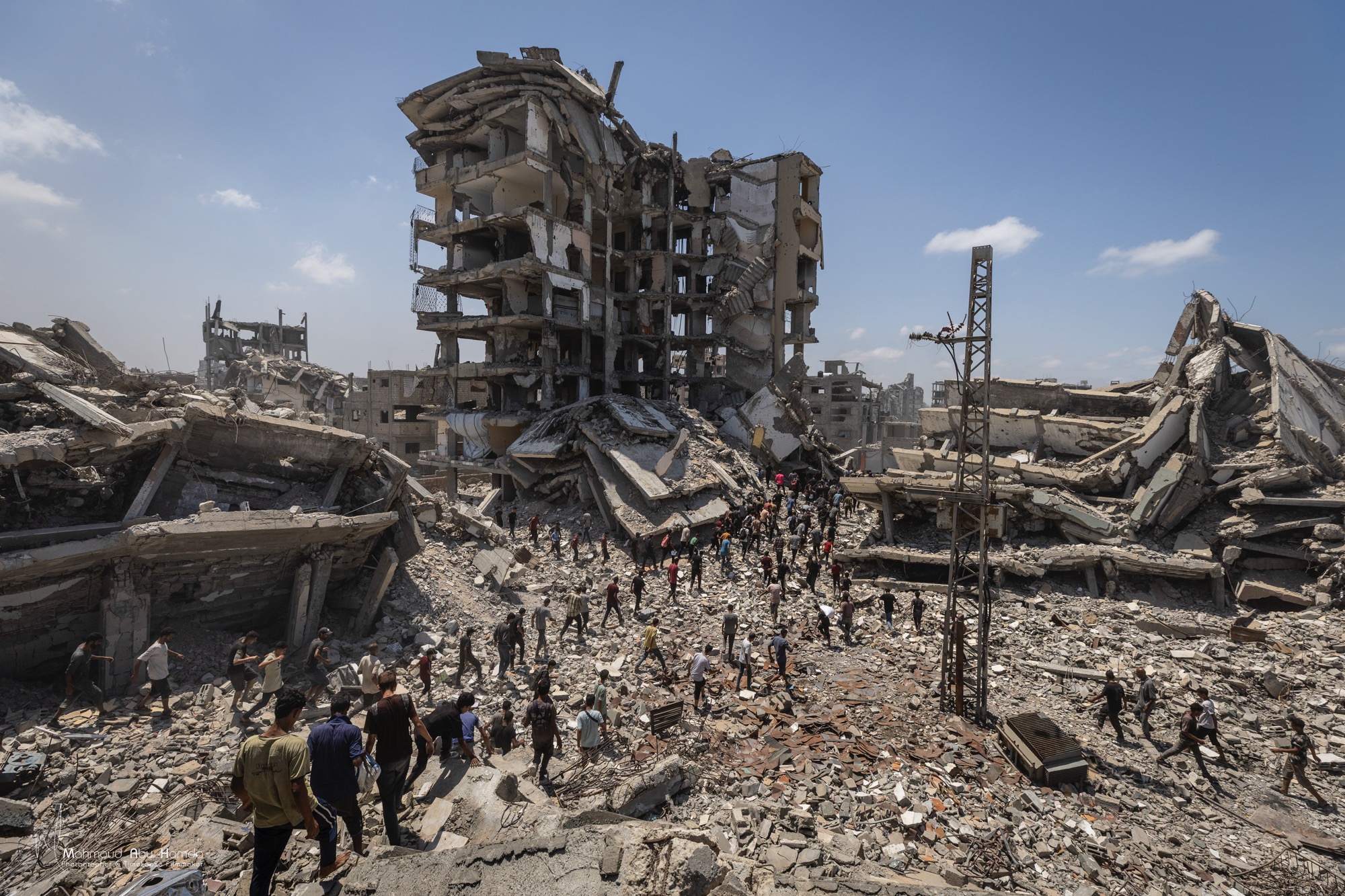
Palestinian leaders hailed the shift as a moral victory. But citizens in Gaza, where Israel’s offensive has killed tens of thousands and displaced nearly the entire population, told AP they feared recognition alone would not halt airstrikes or ease the humanitarian crisis.
Africa’s Longstanding Support
While recent announcements by wealthy democracies drew headlines, many African states recognized Palestine decades earlier. Kenya formally extended recognition in 1989, joining other African Union members in backing Palestinian sovereignty.
That early recognition reflected Africa’s broader alignment with the Non-Aligned Movement, which viewed Palestinian statehood as part of global struggles for self-determination.
For many across the continent and diaspora, today’s Western recognitions feel like long-delayed acknowledgments of what Africa and the Global South already embraced.
Netanyahu’s Fierce Rejection
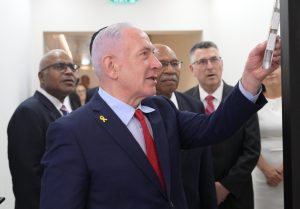
Netanyahu has condemned the recognitions as dangerous and vowed to confront them from the UN podium.
“I will denounce those leaders who, instead of denouncing the murderers, rapists and child burners, want to give them a state in the heart of the Land of Israel,” he said before boarding his plane in Tel Aviv, according to Times of Israel. “This will not happen.”
He pledged to “speak our truth — the truth about the citizens of Israel, the truth about our IDF soldiers and the truth about our country.”
His office later described the recognitions as “the shameful capitulation of some leaders to Palestinian terror” and insisted: “There will be no Palestinian state.”
Netanyahu has also accused Western governments of “handing a huge reward to terror” and suggested Israel may consider retaliatory measures, including annexation of West Bank territory, particularly the Jordan Valley.
According to Times of Israel, the U.S. administration has quietly cautioned Israel against such steps, though Netanyahu intends to raise the matter in talks with President Trump in Washington.
Political Isolation and Domestic Pressure
The recognitions place Netanyahu in an increasingly defensive position internationally. His government already faces rising diplomatic isolation at the UN, where resolutions calling for ceasefires and humanitarian access have won overwhelming support despite U.S. vetoes.
Domestically, Netanyahu also faces mounting pressure. Hundreds of protesters gathered at Ben Gurion Airport as he departed for New York, demanding a deal to free the 48 remaining hostages held in Gaza and criticizing his leadership. Demonstrators carried Israeli flags, portraits of hostages, and placards calling for his resignation.
Benny Gantz, leader of the National Unity party and a former defense minister, argued in a New York Times op-ed that international recognitions misread Israel’s position. He wrote that “opposition to the recognition of Palestinian statehood stands at the heart of [the Israeli] consensus,” which he said is “rooted in the hard realities of our region.”
The Global Context
For decades, most of the Global South, from Africa to Asia to Latin America, has recognized Palestine. According to UN counts, more than 150 countries extend recognition, leaving Israel, the United States, and a shrinking group of Western allies opposed.
What makes this current wave significant is the entry of major Western democracies, particularly the U.K., France, and Canada, whose positions had long aligned with Washington. Analysts say their announcements send a message that indefinite delay of Palestinian statehood is no longer acceptable, especially amid Gaza’s humanitarian catastrophe.
Still, recognition does not automatically change realities on the ground. Israel maintains control over borders, security, and much of the West Bank’s territory. Full U.N. membership for Palestine remains blocked by U.S. opposition at the Security Council.
Analysis: Symbolism vs. Reality
The recognitions represent both a symbolic victory and a diplomatic realignment. They elevate Palestine’s standing in bilateral relations, allow for more formal embassies, and strengthen Palestinian claims in international legal forums.
But symbolism has limits. As Palestinians in Gaza noted to AP, declarations do not bring food, medicine, or security. Netanyahu’s vow that “there will be no Palestinian state” underscores how little impact recognition has on Israeli policy.
The danger is that recognition could harden Israel’s position, fuel annexation talk, and deepen divides. Yet for many in Africa and the Global South, the new momentum underscores a truth they have long embraced: that Palestinian sovereignty is a question of justice, not politics.
No Easy Path Ahead
As Netanyahu prepares to take the UN stage Friday to denounce Western leaders, Palestinians in Gaza sift through rubble, and global capitals debate next steps. More than 150 states, including Kenya since 1989, already recognize Palestine. Now, with Western powers joining, the world’s diplomatic center of gravity has shifted.
Whether that shift produces real relief or change on the ground depends on what follows. For Palestinians, recognition without action risks becoming another broken promise. For Israel, rejection may deepen its isolation. And for Africa and the diaspora, the moment is a reminder of how long they have stood on the side of Palestinian statehood, long before Europe and North America joined the chorus.






LEAVE A COMMENT
You must be logged in to post a comment.