

|
LISTEN TO THIS THE AFRICANA VOICE ARTICLE NOW
Getting your Trinity Audio player ready...
|
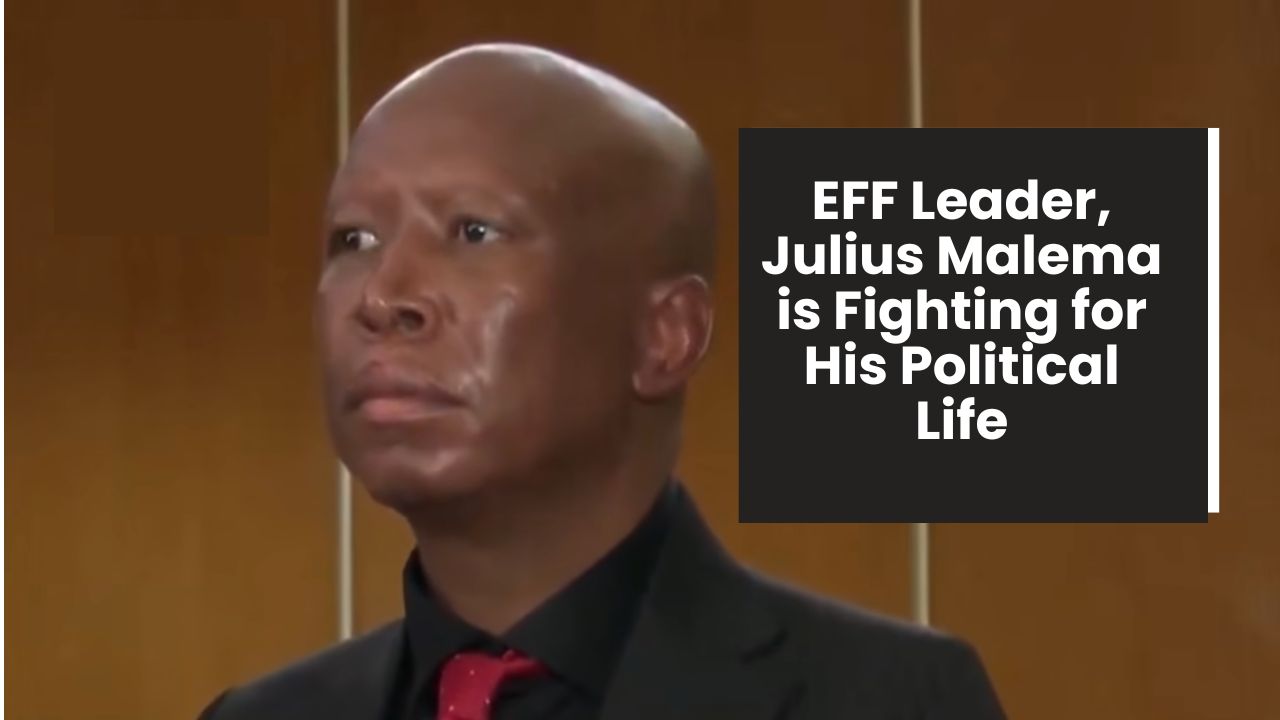
South African opposition leader Julius Malema has been sentenced to five years in prison for firing a gun at a party rally. The ruling has sparked a fierce debate over fairness, punishment, and political consequence.
Malema, 45, leads the Economic Freedom Fighters. He was convicted of firing a gun at the EFF’s fifth anniversary celebration at Sisa Dukashe Stadium in Mdantsane, Eastern Cape, on July 28, 2018. Prosecutors said he unlawfully possessed and fired a gun in public. Malema denied wrongdoing and said the weapon was a toy gun.
The court gave him five years for unlawful possession of a firearm. It gave him two years for unlawful possession of ammunition. Those terms will run concurrently. The court also imposed fines on three other counts.
The sentence is not only a legal blow. It is also a political one. If the ruling stands on appeal, it could end Malema’s parliamentary career and weaken a party built around his influence. At 45, a long prison term would hit at the core of his prime political years.
A legal ruling with political heft
The case now sits at the center of a wider national argument. Critics say the punishment looks too harsh for the conduct in question. Supporters of the ruling say the court had to send a message about public safety and political accountability.
Magistrate Twanet Olivier made clear that Malema’s status counted against him. In sentencing, she said he was accountable to citizens, supporters, and young people who look up to him. The court then set out the prison terms and ordered the other counts to run concurrently with the main sentence.
Malema remained stoic during sentencing. He showed little outward emotion as the court handed down the prison term.
That helps explain the court’s thinking. But it does not end the debate over whether five years is proportionate.
Why critics say the sentence is harsh
South African attorney and SABC News legal analyst Zola Majavu offered one of the clearest legal readings of the sentence. He said no minimum sentence applied in this case. He said the court had to weigh the seriousness of the offense, the interests of society, and the accused’s personal circumstances.
Majavu also pointed to key facts raised by the defense. He said no person was injured. He said there was no damage to the property. He also said there was no sign of premeditation, even though the offense remained serious.
That is the heart of the dispute. The question is no longer whether Malema acted recklessly. The court has already ruled on that. The question now is whether five years in prison fits the facts of the case.
Legal analyst says the appeal could change the outcome.
Majavu also said the legal fight is far from over. He said the bigger issue may be the conviction itself. If a higher court overturns the conviction, the sentence falls away too. He also said an appeal court could reduce the sentence in a way that preserves Malema’s political future.
That point matters because the sentence carries more than prison time. It could reshape the future of the EFF and remove one of South Africa’s most visible opposition voices from frontline politics. Reuters reported that Malema remains free pending appeal, and the process could take years.
Malema turns the ruling into a political fight.
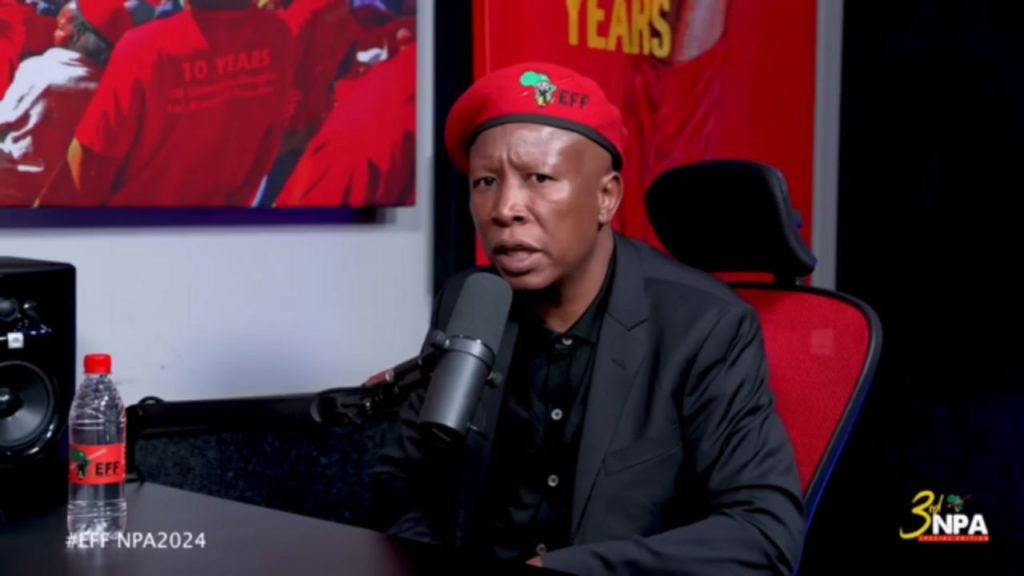
Malema moved fast after sentencing. He vowed to appeal. He also called Twanet Olivier, a white magistrate, a racist who does not read, and alleged collusion between the court and the prosecution.
Still, the broader message was clear. Malema did not present himself as humbled by the ruling. He cast himself as the target of a biased system. That response is likely to energize his supporters and deepen the divide around the case. Reuters reported that many EFF supporters already view the prosecution as a political witch hunt.
The 1977 law still shapes the case.
The charges themselves came under South Africa’s Firearms Control Act. But the Criminal Procedure Act of 1977 still matters here. It helps govern the sentencing procedure and appeal steps.
In the sentencing remarks, the court cited Section 280(2). That provision allows sentences on separate counts to run concurrently. So the 1977 law did not create the firearm offenses. But it shaped how the court arranged the punishment. It also shapes part of the appeal path now open to Malema.
Why Malema’s political future is at risk
This sentence could carry major political consequences. South Africa’s Constitution bars a person from serving in the National Assembly if that person has been convicted and sentenced to more than 12 months in prison without the option of a fine, after appeals have been exhausted.
That is why this case has become bigger than the moment at Mdantsane Stadium. It is now about law, power, and political survival. For some South Africans, the ruling shows that no one is above the law. For others, it looks like punishment made heavier by politics.
Timeline of the Malema gun case
July 28, 2018
Malema fires a weapon at an EFF rally at Mdantsane Stadium in the Eastern Cape. He later says it was a toy gun.
October 2025
The court convicts Malema on firearm-related charges linked to the rally incident.
April 15, 2026
Prosecutors push for a sentence of up to 15 years. The defense argues for a non-custodial outcome.
April 16, 2026
The court sentences Malema to an effective five-year prison term. It also grants leave to appeal the sentence.
The appeal will decide the next chapter.
The case now moves to appeal. That process will decide whether the sentence stands, falls, or changes. Until then, the debate will continue. Was this necessary accountability, or was it an excessive sentence with major political effect?



LEAVE A COMMENT
You must be logged in to post a comment.