

|
LISTEN TO THIS THE AFRICANA VOICE ARTICLE NOW
Getting your Trinity Audio player ready...
|
Kenya’s government has backed off the immediate deadline in President William Ruto’s crackdown on foreign hawkers.
The retreat came after Burundian traders were attacked in the days following Ruto’s directive.
Foreign Affairs Principal Secretary Korir Sing’Oei apologized to Kenya’s Burundian community on September 7.
He acknowledged that many had been “attacked by their neighbors and their friends.”
The Order Came From a Meeting About Taxes
Ruto’s September 2 meeting with small business owners was called over a customs dispute.
Traders had complained that a Kenya Revenue Authority benchmark hike on consolidated cargo was driving up their costs.
Ruto ordered that the benchmark be reversed, then separately told foreign hawkers their businesses would close by September 7.
Confusion about who the order covered spread fast, and some Burundians were targeted by neighbors who took the president’s words as a license.
The Apology Followed Real Harm
Kenya hosts more foreign traders than almost any other country in the East African Community.
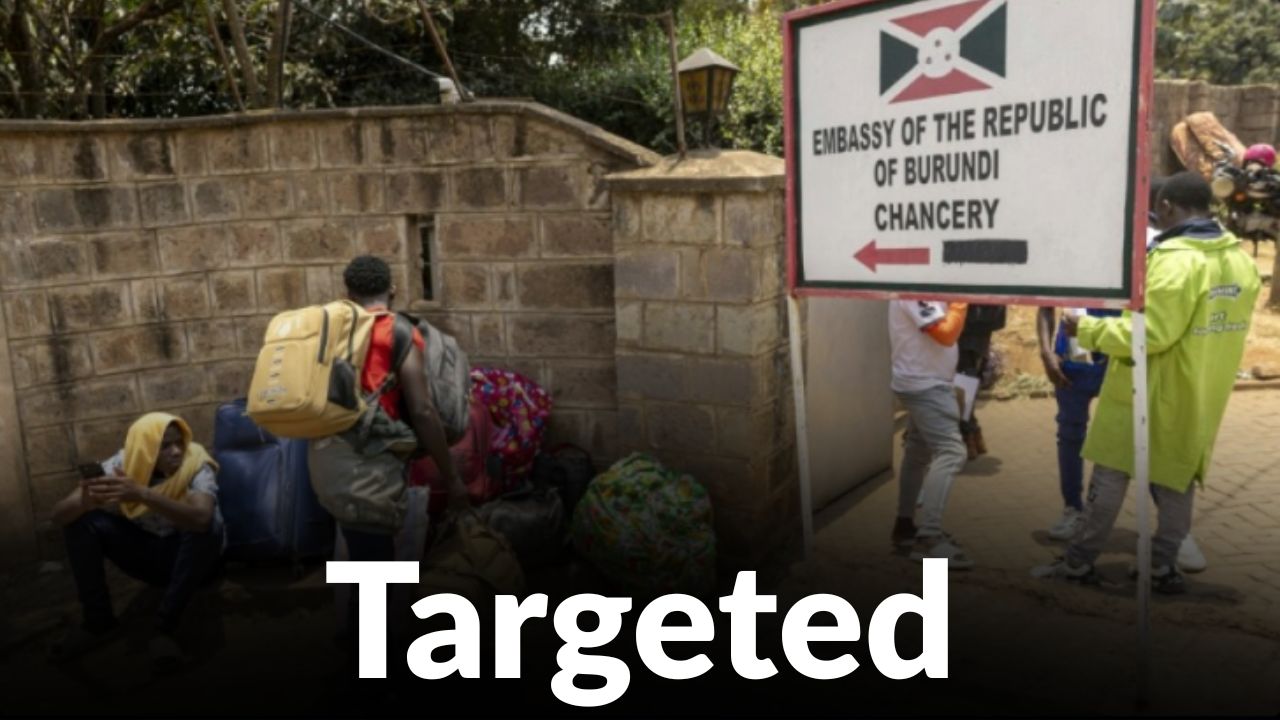
Hundreds of Burundians rushed to their embassy in Nairobi within days, some carrying passports and belongings, fearing sudden expulsion.
Sing’Oei visited the Burundian Embassy in Nairobi to apologize directly and pledged tighter security in areas with large Burundian populations.
The Deadline Moved, Not the Policy
The government replaced the original shutdown with a 90-day window for foreign nationals to regularize their documents.
During that period, those registering will be treated as legally present in Kenya.
The Local Content Bill 2025, which aims to reserve categories of small business for citizens, is still moving through Parliament.
Kenya changed its timeline and its tone. It did not change its underlying goal.
State House Puts It in Writing
Government Spokesperson Charles Owino said the directive was never “targeted at foreign nationals as a group.”
A day later, State House itself issued a signed statement making the same point with more weight.
State House Spokesperson Hussein Mohamed said no individual or group has authority to enforce the directive on their own.
He closed with the government’s sharpest line yet. “Legitimate concerns about economic opportunity can never justify discrimination, excuse lawlessness or sanction violence,” he said.
A Warning That Came True, and Kenyans Who Refused to Go Along
Our reporting on September 5 warned that a presidential order naming foreigners as a problem could become permission to harass them.
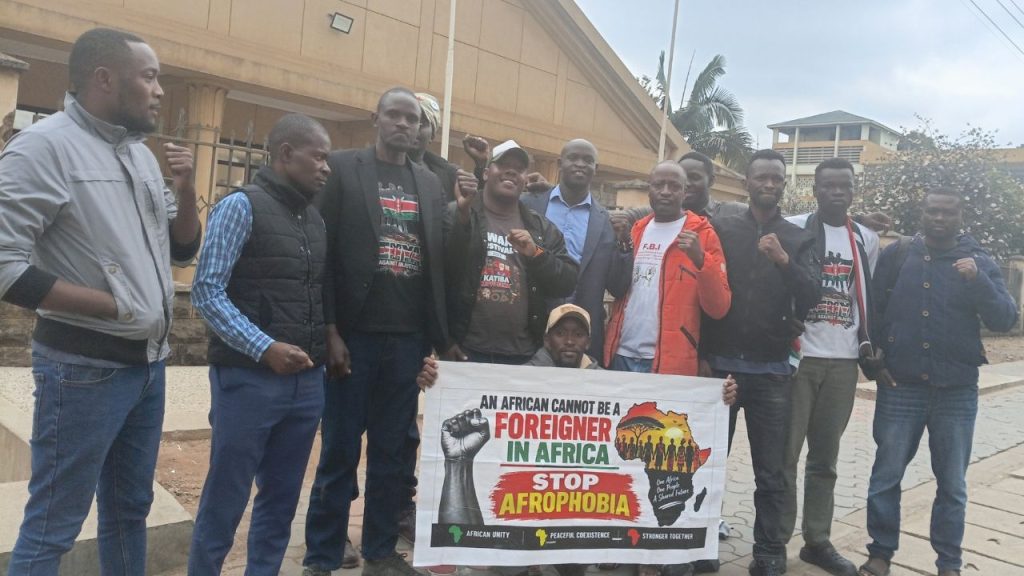
Unlike South Africa, where movements such as Operation Dudula built a following on blaming African migrants, prominent Kenyans spoke out against the crackdown almost immediately.
The People’s Liberation Party, led by former Justice Minister Martha Karua, issued a signed statement rejecting the directive as unjust and discriminatory. “But law enforcement is not collective punishment,” the party said.
Wiper Patriotic Front leader Kalonzo Musyoka accused Ruto’s administration of manufacturing a crisis.
Nairobi Senator Edwin Sifuna criticized the president’s public-declaration approach to shutting businesses, calling it “very bad for investment and consequently job creation.”
Kongamano la Mapinduzi, a coalition of Kenyan political organizers, posted a press statement on its X account condemning Ruto’s remarks and demanding the government retract them, though no news outlet has independently reported it.
Burundi’s government also registered a formal protest. Foreign Minister Édouard Bizimana said the harassment of Burundians made Kenya look like it was giving “free rein to violence, to looting, and to xenophobia.”
Not every prominent Kenyan agreed with the criticism. Legal scholar Makau Mutua argued the enforcement was not xenophobic but “responsible governance,” calling on Kenya to apply its own laws without apology.
The Kenya National Commission on Human Rights added its own warning, telling authorities to assess cases individually rather than fuel vigilante action.
A Hustler President Turns on the Hustlers
Ruto built his political brand on the hustler nation, promising an economy that lifts small traders rather than squeezes them.
As we noted on September 5, his government also runs Kazi Majuu, a program that has placed more than 500,000 Kenyans in jobs abroad since 2023, by the government’s own count.
The same president who tells young Kenyans not to be selective about the work they take overseas is now telling foreign hawkers they cannot sell vegetables in Nairobi.
Kenya cannot ask the world to welcome its migrant workers while telling migrants in Nairobi to pack up and leave.
That contradiction did not disappear when State House issued its apology. It went unmentioned.
What This Tests
Kenya markets itself as the anchor economy of East African integration.
The Common Market Protocol promises free movement of goods, labor and people across the bloc.
A directive that Burundians experienced as a threat, however briefly, puts that promise under real strain.
Whether the 90-day window resolves the tension or delays it will shape how much trust Kenya’s neighbors place in its next policy announcement.







LEAVE A COMMENT
You must be logged in to post a comment.