

|
LISTEN TO THIS THE AFRICANA VOICE ARTICLE NOW
Getting your Trinity Audio player ready...
|
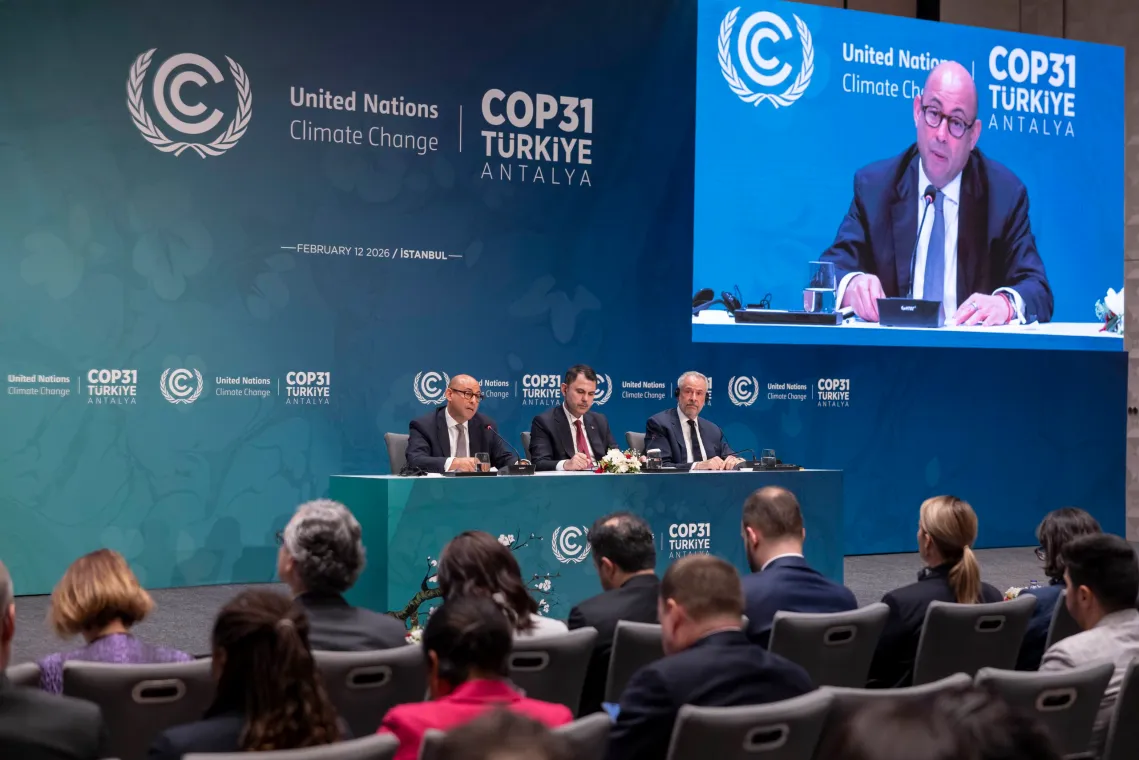
Africa’s delegation did not leave Antalya empty-handed. But it did leave without the political assurances it had been seeking on some of the most consequential questions in international climate negotiations.
When COP31 closed in Türkiye on November 22, governments had reached agreements on several technical and negotiating issues. They had also advanced work on adaptation, technology and just transition. What they could not agree on was the overarching political declaration, known as the cover decision, which was intended to give direction to the next phase of international climate action.
The disagreement exposed a deeper conflict over the pace of the energy transition, the treatment of fossil fuels and the financial obligations of wealthier countries towards developing economies.
The Uncomfortable Fossil Energy Debate
The negotiations also raised a familiar problem for African governments: how to secure international commitments that recognise the continent’s development needs without allowing those needs to become an excuse for delaying climate action.
The final negotiating text, which was rejected by several countries, failed to mention fossil fuels. It also omitted a proposed adaptation-finance target of $120 billion annually by 2035 and weakened language on electrification. These changes prompted objections from countries that considered the revised document a retreat from previous climate commitments.
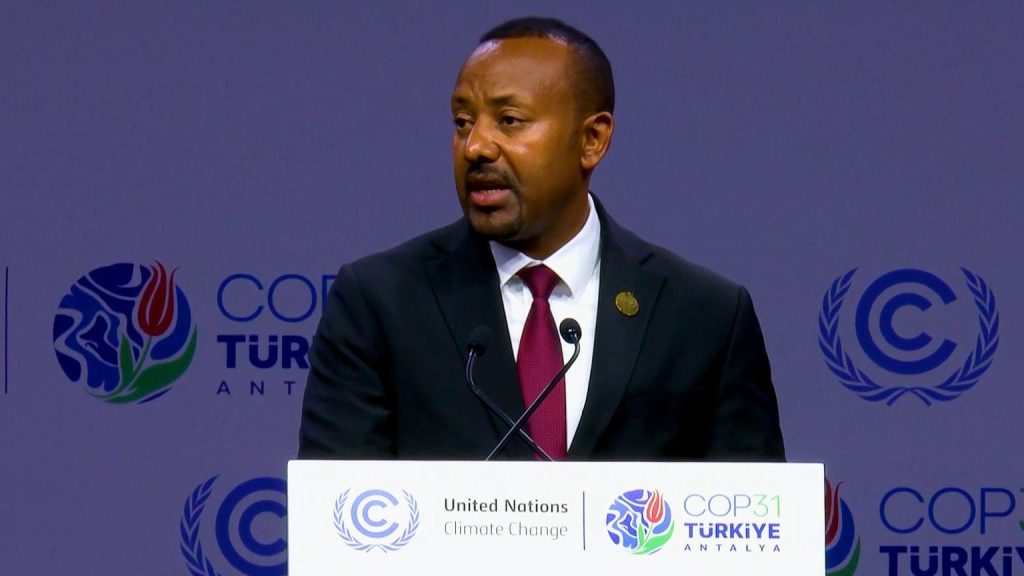
The European Union was among those unwilling to endorse the final proposal. Its objection centred partly on the absence of any reference to fossil fuels, the principal source of human-caused greenhouse gas emissions. Other countries, including Panama, Norway and Vanuatu, also objected to the proposed text.
The African Group of Negotiators had its own reservations, although its concerns extended beyond the fossil fuel dispute. According to the International Institute for Sustainable Development’s detailed account of the negotiations, African representatives questioned proposals to triple adaptation finance without specifying a clear baseline or monetary figure. They also raised concerns about the proposed Antalya-to-Addis Ababa roadmap, arguing that it lacked sufficiently assured delivery, and called for the just transition discussions to reflect African realities.
The Cost of Adaptation
That position is important because it illustrates the distinction between announcing financial ambitions and establishing mechanisms through which developing countries can actually access the money.
For the African countries, adaptation involves the cost of protecting agricultural production, securing water supplies, strengthening infrastructure and preparing for increasingly severe weather events. Governments therefore have to make these investments while dealing with competing demands on public finances, including debt servicing, healthcare, education and energy infrastructure.
The continent’s exposure to these pressures is particularly significant given its relatively small contribution to historical global emissions. However, the argument for greater climate finance is increasingly being made in economic terms: without investment in resilience, climate-related losses will undermine development gains and place additional pressure on already constrained public budgets.
The finance disagreement in Antalya also reflects a longer-running problem within the international climate system. Wealthier countries and developing economies have repeatedly disagreed over what should count as climate finance, how much has actually been delivered and how accessible the funding is.
The African Group’s objection to the proposed adaptation-finance language was therefore not simply a demand for a larger number. It was also a demand for clarity about the starting point, the source of the money and the mechanism through which commitments would be fulfilled.
The dispute over fossil fuels presents a different, but equally difficult, question for African governments. The continent occupies an uncomfortable position in the global energy transition. It has significant oil and gas reserves, but millions of people still lack access to electricity. Governments face pressure to expand energy production, industrialise their economies and create jobs, while simultaneously committing to lower-carbon development pathways.
Palpable Tensions
For countries with established hydrocarbon industries, moving away from fossil fuels also involves questions about government revenue, employment and the future of infrastructure built around oil and gas production.
African countries have diverse economic circumstances and energy priorities that differ considerably. In addition, the continent’s development deficit removes the need to reduce emissions. The challenge is how to reconcile the two without placing the economic costs of the transition disproportionately on countries with fewer resources.
That tension was visible in the negotiations over the proposed cover decision. Some countries wanted a clearer commitment to moving away from fossil fuels, building on the outcome of COP28 in Dubai. Others resisted language that could introduce sector-specific targets or impose additional conditions on their energy choices.
The result was a political compromise that ultimately satisfied neither side.
Nevertheless, other agreements were reached. Countries agreed to extend the United Arab Emirates Just Transition Work Programme for another three years and to operationalise a just transition mechanism in phases. The mechanism is intended to strengthen international cooperation through technical assistance, capacity building and knowledge-sharing.
Governments also advanced work on the 59 Belém Adaptation Indicators, which are intended to help assess progress towards the global adaptation goal. Decisions on the Warsaw International Mechanism and Santiago Network also sought to strengthen technical assistance for countries dealing with climate-related loss and damage.



LEAVE A COMMENT
You must be logged in to post a comment.