

|
LISTEN TO THIS THE AFRICANA VOICE ARTICLE NOW
Getting your Trinity Audio player ready...
|
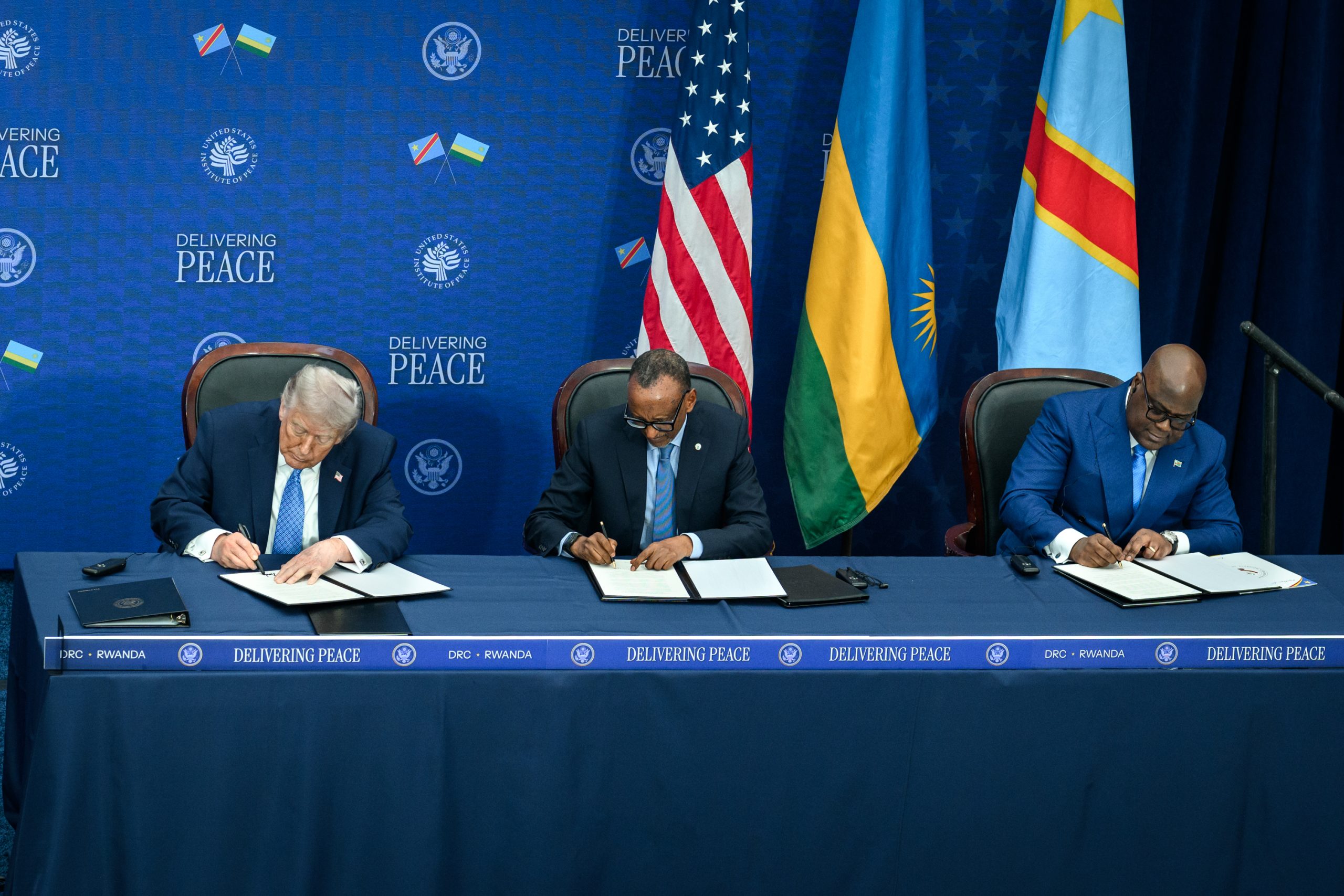
WASHINGTON — Congo and Rwanda signed the Washington Peace Accords at a ceremony hosted by United States President Donald Trump, seeking to close an elusive chapter of violence that has devastated eastern Congo for more than 30 years and reshaped politics across the Great Lakes.
Trump framed the moment as both a diplomatic and economic milestone, while leaving unsaid—yet heavily implied—that this was a personal victory in his pursuit of the Nobel Peace Prize.
“Today, we commit to stopping decades of violence and bloodshed and to begin a new era of harmony and cooperation between the Democratic Republic of the Congo and Rwanda,” Trump said.
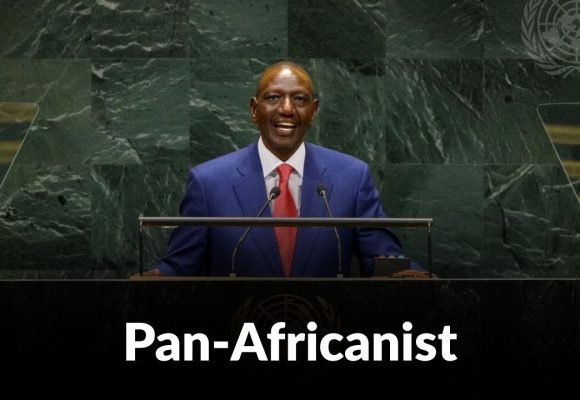
Presidents Félix Tshisekedi of Congo and Paul Kagame of Rwanda echoed that optimism, while Kenyan President William Ruto praised the deal as a catalyst for African economic transformation. However, the atmosphere in the room remained tense, with the two rival presidents refusing to shake hands during the signing—a signal to many that hostilities may not have truly ceased.
Trump Eyes the Nobel Prize
For President Trump, the accords represent more than a foreign policy win; they are a central pillar of his campaign to secure the Nobel Peace Prize. Trump explicitly linked the successful negotiation to his credentials as a global peacemaker, telling attendees that the deal was a “miracle” that previous administrations failed to achieve.
Sources close to the administration suggest that Trump views the Great Lakes peace deal, alongside his other international interventions, as the definitive argument for his candidacy for the prize. He touted the agreement as a “major step” toward global stability, positioning himself as the only leader capable of bringing the warring factions to the table.
Tension in the Room: No Handshake
Despite the high praise, the body language at the signing ceremony betrayed the deep-seated animosity between the two nations. Presidents Tshisekedi and Kagame sat side-by-side but avoided eye contact and notably did not shake hands after inking the documents.
Observers and diplomatic analysts quickly noted the omission. In diplomatic protocol, the handshake is the universal symbol of agreement and reconciliation. Its absence suggests that while the paperwork is signed, the personal and political trust required to sustain peace remains fragile.
Criticism Over “Herded” Seating Arrangement
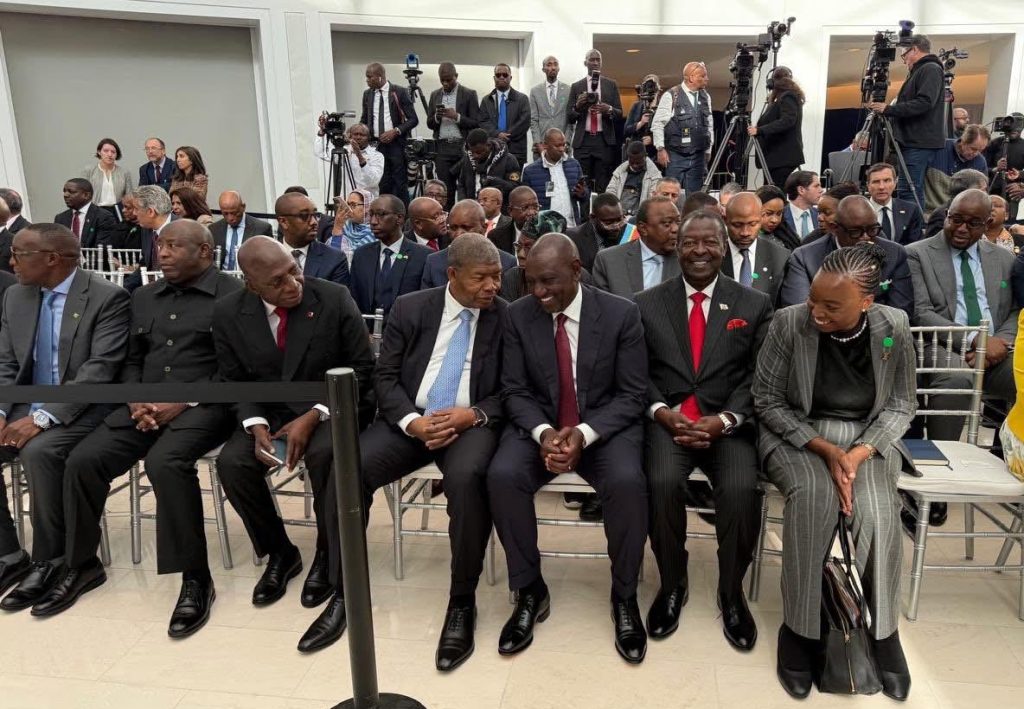
The ceremony also sparked outrage across the African diaspora regarding the treatment of the visiting heads of state. Images from the event showed African presidents seated on standard metal folding chairs, crowded into a room in a manner that many online critics described as disrespectful.
Social media users contrasted the seating with the plush armchairs usually reserved for visiting dignitaries in the Oval Office. Miguna Miguna, a prominent Kenyan attorney and political commentator, voiced a sentiment shared by many online:
“Modern pathetic African slaves herded into imperialist halls and made to sit on metal chairs in Washington DC. What a shame!” Miguna said on X.
Critics argued that the optics reinforced a power dynamic in which African leaders were treated as subordinates rather than as equal partners in a geopolitical alliance.
Accusations of Violation Immediately Follow Signing
Fears regarding the deal’s durability were realized almost immediately. Less than 24 hours after the ceremony, President Tshisekedi publicly accused Rwanda of violating the Washington Peace Accord.
In a statement to the Congolese parliament, Tshisekedi alleged that the Rwandan army had already breached the ceasefire by firing heavy weapons into South Kivu, targeting the areas of Kaziba, Katogota, and Lubarika. He claimed the attacks caused significant material damage and civilian distress, asserting that Rwanda is “already violating its commitments” despite the ink barely being dry on the agreement.
Background of the Conflict: A War Fueled by History and Resources
The conflict in the eastern Democratic Republic of Congo (DRC) is one of the world’s most protracted and complex crises, often described as a continuation of the hostilities that began more than three decades ago.
Roots in the 1994 Genocide The modern violence traces its origins directly to the 1994 genocide in neighboring Rwanda. After Tutsi-led forces ended the genocide, more than a million Hutus, including many perpetrators of the massacres, fled across the border into what was then Zaire (now Congo). Rwanda invaded twice in the late 1990s (the First and Second Congo Wars), citing the need to hunt down these genocidal forces (FDLR), but eventually settled into a pattern of proxy warfare.
The Rise and Return of M23 The most prominent rebel group today, the March 23 Movement (M23), was formed in 2012 by mutinous Congolese soldiers who claimed the government had broken a previous peace deal. Primarily ethnic Tutsis, they claim to protect their community from Hutu extremists.
- 2012-2013: M23 briefly seized the major city of Goma before being defeated by international forces.
- 2021-Present: The group resurfaced with sophisticated weaponry and military discipline. By early 2025, M23 had once again encircled and effectively cut off Goma, a city of two million people, and seized large swathes of North Kivu province.
Rwandan Involvement Reports from United Nations experts, often cited by The Guardian and Reuters, have consistently accused Rwanda of funding, arming, and fighting alongside M23 rebels. Evidence includes drone footage and captured military equipment standard to the Rwandan Defence Force (RDF). Rwanda has historically denied these charges, arguing it is defending its borders against the FDLR, though President Kagame has recently shifted tone to acknowledge security operations in the region.
The Mineral Curse. Underlying the violence is a fight for control over the region’s immense natural wealth. Eastern Congo is rich in “conflict minerals”—tin, tungsten, tantalum (coltan), and gold—which are essential for smartphones and laptops. More recently, the scramble for cobalt and lithium, critical for electric vehicle batteries, has raised the stakes. Armed groups, including M23 and the FDLR, sustain themselves by illegally taxing mines and smuggling these resources, often through neighboring countries like Rwanda and Uganda, into the global supply chain.
Minerals at the Core of the Washington Accords
The ceremony also revealed what many analysts already suspected based on the region’s resource wealth: Peace and minerals are now intertwined in U.S. strategy for central Africa.
Trump announced that the United States had signed bilateral agreements with both Congo and Rwanda to secure access to critical minerals, including cobalt, copper, coltan, tungsten, tin, gold, lithium, and rare-earth elements. These minerals are central to batteries, electric vehicles, defense systems, and renewable energy technologies.
Trump described the deals bluntly: “We are sending some of our biggest and greatest companies over to the two countries. We are going to take out some of the rare earth and take out some of the assets and pay, and everybody is going to make a lot of money.”
A Turning Point or Another Promise?
The Washington ceremony delivered powerful symbolism: rival presidents standing together, African leaders united in support, and a U.S. president who placed economic incentives alongside peacebuilding.
However, the immediate exchange of accusations and the cold demeanor between Tshisekedi and Kagame cast a long shadow over the proceedings. Whether the Washington Accords mark a true break from decades of conflict or merely another pause in the fighting will now depend on actions far from the spotlight.
Communities in eastern Congo, not Washington dignitaries, will decide if this peace becomes permanent.


LEAVE A COMMENT
You must be logged in to post a comment.