

|
LISTEN TO THIS THE AFRICANA VOICE ARTICLE NOW
Getting your Trinity Audio player ready...
|
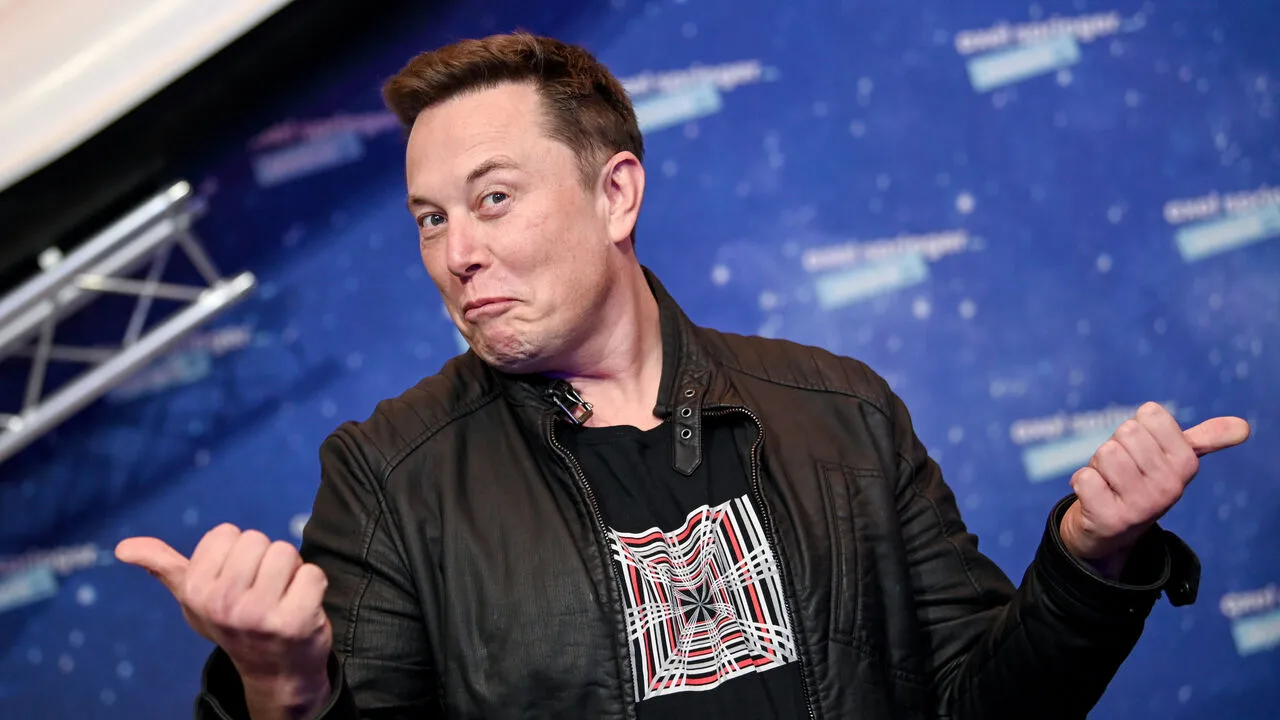
Elon Musk is the world’s first known trillion-dollar man, sort of.
To be clear, a trillion is a positive number, followed by 12 zeros. It’s a mind-bending sum of money, larger than the GDP of more than 90 percent of the world’s countries. Yet, Musk isn’t suddenly sitting on a pile of cash the size of a small continent. What he has is a pay package so massive and ambitious that it borders on science fiction—just like many of his ideas.
Earlier this month, Tesla shareholders approved a new compensation plan that, under nearly impossible conditions, could give Musk stock options worth almost $1 trillion over the next decade. The plan, described as a “super-incentive,” ties his rewards entirely to performance. No salary. No cash bonus. Only Tesla stock, if the company achieves an array of lofty goals.
How the Pay Package Works
The deal grants Musk the right to earn up to 423.7 million additional Tesla shares in a series of tranches. Each tranche unlocks only if Tesla hits specific milestones in profitability, market value, and innovation.
To cash in fully, Musk must steer Tesla toward:
- 20 million cars are expected to be sold annually within the next ten years.
- A market capitalization of $8.5 trillion, up from about $1.5 trillion today.
- At least 1 million robotaxis and 1 million humanoid robots on the road and in homes.
- 10 million self-driving software subscriptions worldwide.
- And a staggering $400 billion in annual core profit (EBITDA).
If any of these goals are missed, Musk gets nothing for that tranche. The structure is a high-risk, high-reward bet—the kind that perfectly fits Musk’s personality.
 Why Tesla Shareholders did it
 Why Tesla Shareholders did it
Tesla’s board argues that Musk’s leadership is inextricably linked to the company’s identity and future. With competitors racing to dominate electric vehicles, AI, and robotics, they wanted a package that keeps Musk locked in and focused. “We’re betting on his vision,” one Tesla board member told Reuters. “And it’s a big bet.”
The move also reaffirms Musk’s long-standing approach to compensation. He famously doesn’t take a salary. His wealth comes from stock awards, rewards for turning Tesla into a powerhouse and SpaceX into a launchpad for both rockets and ideas.
There’s always a catch.
Still, there’s a catch. The “trillion-dollar” headline is theoretical. Tesla would have to become almost as valuable as the combined worth of Apple, Amazon, and Google to achieve this goal. Even the most bullish analysts admit the odds are astronomical.
If Tesla hits only half of its targets, Musk could still pocket hundreds of billions, cementing his place as the richest person on Earth. But if the company stumbles, the deal could be worth nothing at all.
Some critics might argue that it’s excessive, claiming that no single executive should wield such wealth and power. Supporters counter that Musk’s drive and risk-taking have already redefined multiple industries and that this plan rewards precisely that kind of audacity.
How Elon Can Spend the Money for the Good of the Africana World
If Musk ever decided to drop his trillion dollars into the Global South, he’d have options that make Silicon Valley look like a weekend project. Forget buying another social platform; this time, he could actually purchase impact.
In South Africa, he could buy back Eskom, fix load-shedding once and for all, and still have enough to install solar panels from Cape Town to Johannesburg. Imagine a country where people can charge their phones and braai simultaneously. That’s real innovation.
In Kenya, he could fund every startup in Nairobi’s Silicon Savannah, roll out a fleet of Tesla matatus with free Wi-Fi and M-Pesa integration, and still have spare change to buy Nyama Choma for the entire country for a year. That alone would make him more popular than any politician, dead or alive, and possibly earn him the title of an honorary mwananchi.
In Nigeria, he could transform the power grid, build high-speed rail, and fund tech hubs across Lagos and Abuja. With a trillion, he might finally silence every generator in the land and give “no light” memes a well-deserved retirement.
And in Jamaica, he could create a fully solar-powered island economy, where energy is clean, Wi-Fi is ubiquitous, and reggae beats and Blue Mountain coffee fuel productivity. It’d be the first country to literally run on good vibes and renewable energy.
Forget Mars, Elon. If you truly want to make history, invest where a trillion dollars could actually change the world, the African world. You’ll get more smiles per dollar, more sunshine per square mile, and the kind of gratitude no shareholder meeting can buy.
Money, Money, Money…
Musk’s trillion-dollar pay package isn’t just a corporate milestone; it’s a cosmic flex. Still, even for a man who dreams in galaxies, there’s no way he can spend that kind of money in one lifetime.
So, if he’s looking for ideas, here are a few, some smart, some gloriously absurd:
- End hunger across Africa—and still have enough left to power the continent with solar energy.
- Launch “MuskNet,” a free internet for every student on earth.
- Buy all of Mars’ naming rights and rename it “PlanEt Musk.”
- Build floating Tesla cities—because why not?
- Buy every Premier League club and rename them after Tesla models.
- Fund a global ocean cleanup with a $100 billion prize.
- And if all else fails, he could buy 10 million Tesla Model Xs, essentially buying his own cars to help hit Tesla’s sales target and give them out like Oprah Winfrey, “you get a car!”
Because at that level, money stops being about spending; it becomes a tool for rewriting what’s possible. Whether Musk ever earns that full trillion or not, he’s already done what few humans ever do: turned ambition into an art form and capitalism into spectacle.




LEAVE A COMMENT
You must be logged in to post a comment.