

|
LISTEN TO THIS THE AFRICANA VOICE ARTICLE NOW
Getting your Trinity Audio player ready...
|
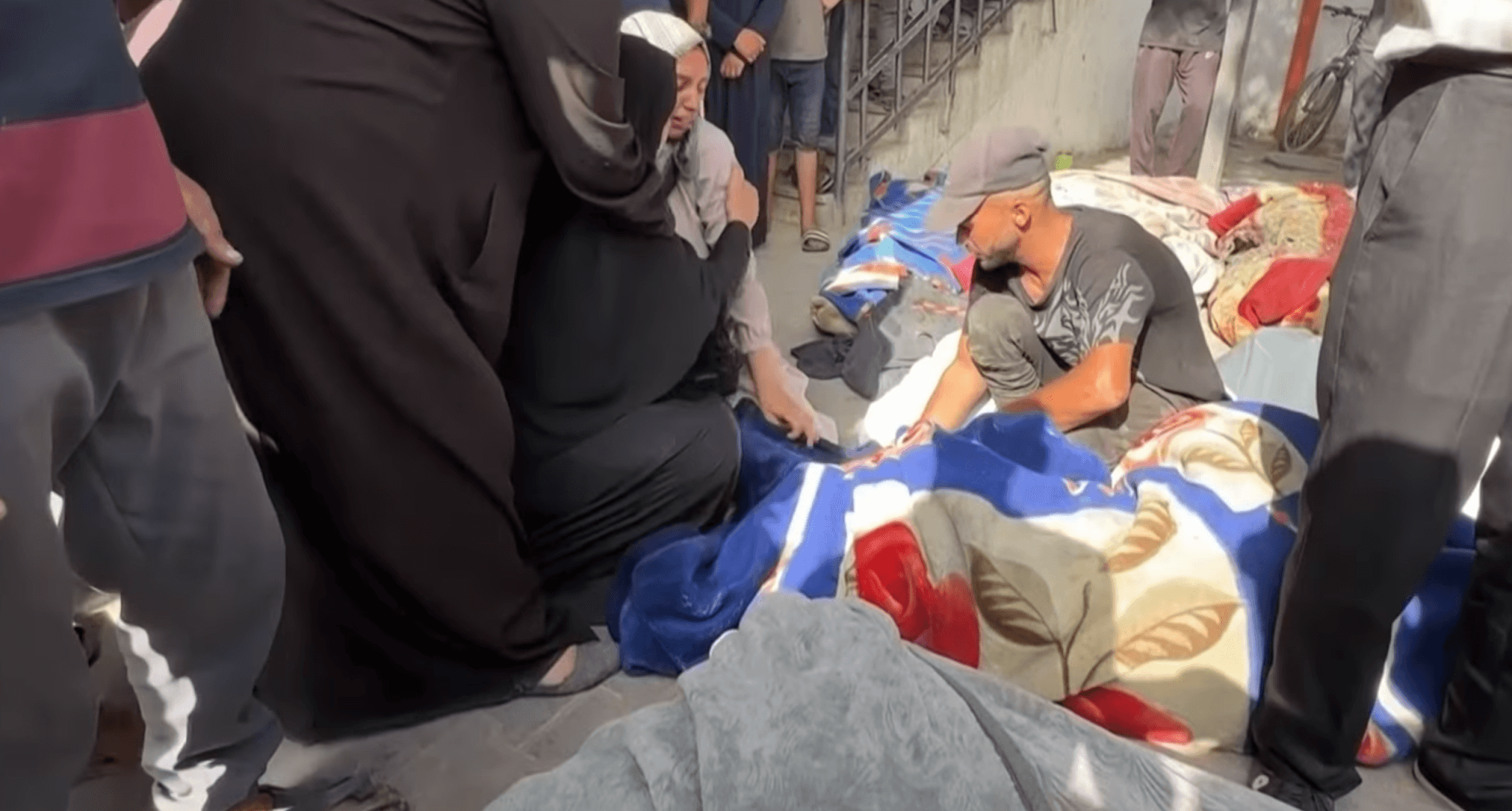
A United Nations commission has found “reasonable grounds” that Israel is committing genocide in Gaza, citing mass civilian killings, starvation, systematic destruction of infrastructure, and attacks on reproductive health facilities.
The war began on October 7, 2023, when Hamas militants stormed southern Israel in a surprise attack, killing about 1,200 people and seizing roughly 250 hostages, according to Israeli officials. In the nearly two years since, Israel’s offensive in Gaza has killed more than 60,000 Palestinians, nearly one-third of them children, according to the Gaza Health Ministry, figures cited by Reuters in March 2025.
The report, released September 16 by the UN Human Rights Council’s Independent International Commission of Inquiry, concluded that Israel has carried out four of the five genocidal acts defined under the 1948 Genocide Convention: killing, causing serious bodily or mental harm, inflicting life-destroying conditions, and preventing births.
The timing of the report is significant: it lands just as world leaders prepare for the United Nations General Assembly in New York next week, guaranteeing that Gaza and accountability will dominate speeches, side meetings, and resolutions.
Defining Genocide
The Genocide Convention defines genocide as acts committed with the intent to destroy, in whole or in part, a national, ethnic, racial, or religious group. Prohibited acts include:
- Killing members of the group.
- Causing serious bodily or mental harm.
- Inflicting conditions of life aimed at destruction.
- Preventing births.
- Forcibly transferring children.
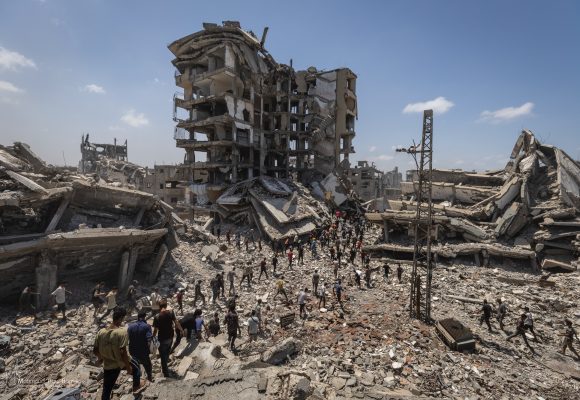
The Commission said Israel’s siege of Gaza, cutting off food, water, medicine, and fuel while systematically striking hospitals, schools, and shelters, demonstrates an intent to destroy Palestinians as a group. It also highlighted the December 2023 shelling of Gaza’s largest fertility clinic, which killed 5,000 embryos, sperm, and eggs, as evidence of deliberate efforts to prevent births.
Israel Refutes the Findings
Israel strongly rejected the genocide allegation, calling the report politically motivated and antisemitic, according to an NPR report.
“Israel categorically rejects this distorted and false report,” the Foreign Ministry said, describing the charge of genocide as a “blood libel” from “Hamas proxies.”
Israel, founded in the aftermath of the Holocaust, has long considered such accusations uniquely offensive. Officials insist military actions in Gaza are aimed at defeating Hamas, not targeting Palestinians as a people.
South Africa’s Case at the ICJ
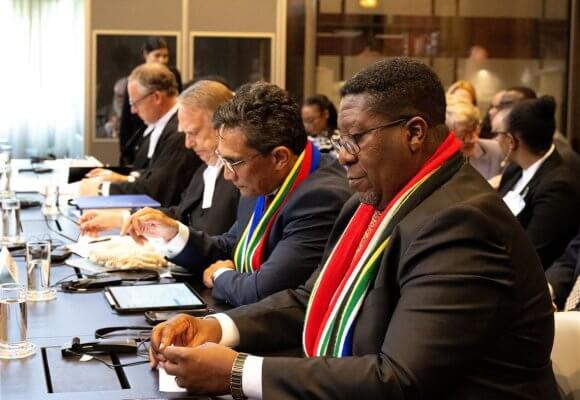
The UN inquiry comes as the International Court of Justice continues to hear South Africa’s genocide case against Israel. While no final ruling has been issued, the Court has already ordered Israel to prevent genocidal acts, allow aid into Gaza, and halt its offensive in Rafah.
South Africa filed a 750-page memorial in October 2024 with 4,000 pages of evidence, accusing Israel of using starvation and mass displacement as weapons of war. President Cyril Ramaphosa has compared the Palestinian struggle to apartheid and called for global solidarity to end “Israeli apartheid and genocide.”
Global Diplomacy Shifts
The report coincides with a wave of recognition of Palestinian statehood. On September 21, Canada, the United Kingdom, and Australia announced formal recognition of Palestine, joining several European states.
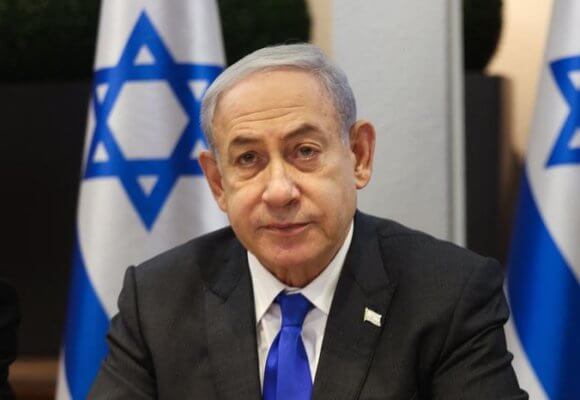
Israel and the United States reacted with fury. Prime Minister Benjamin Netanyahu vowed no Palestinian state would be allowed “west of the Jordan River,” while U.S. officials argued recognition undermines peace talks.
A Defining Moment
The UN Commission’s findings add legal and moral weight to South Africa’s case and to calls for accountability. They also sharpen global divides: Western allies like Canada and the UK have recognized Palestine, while Washington and Tel Aviv stand isolated in rejecting the report and recognition moves. As the UN General Assembly opens next week, the question will be whether governments move beyond rhetoric to concrete measures.







LEAVE A COMMENT
You must be logged in to post a comment.