

|
LISTEN TO THIS THE AFRICANA VOICE ARTICLE NOW
Getting your Trinity Audio player ready...
|
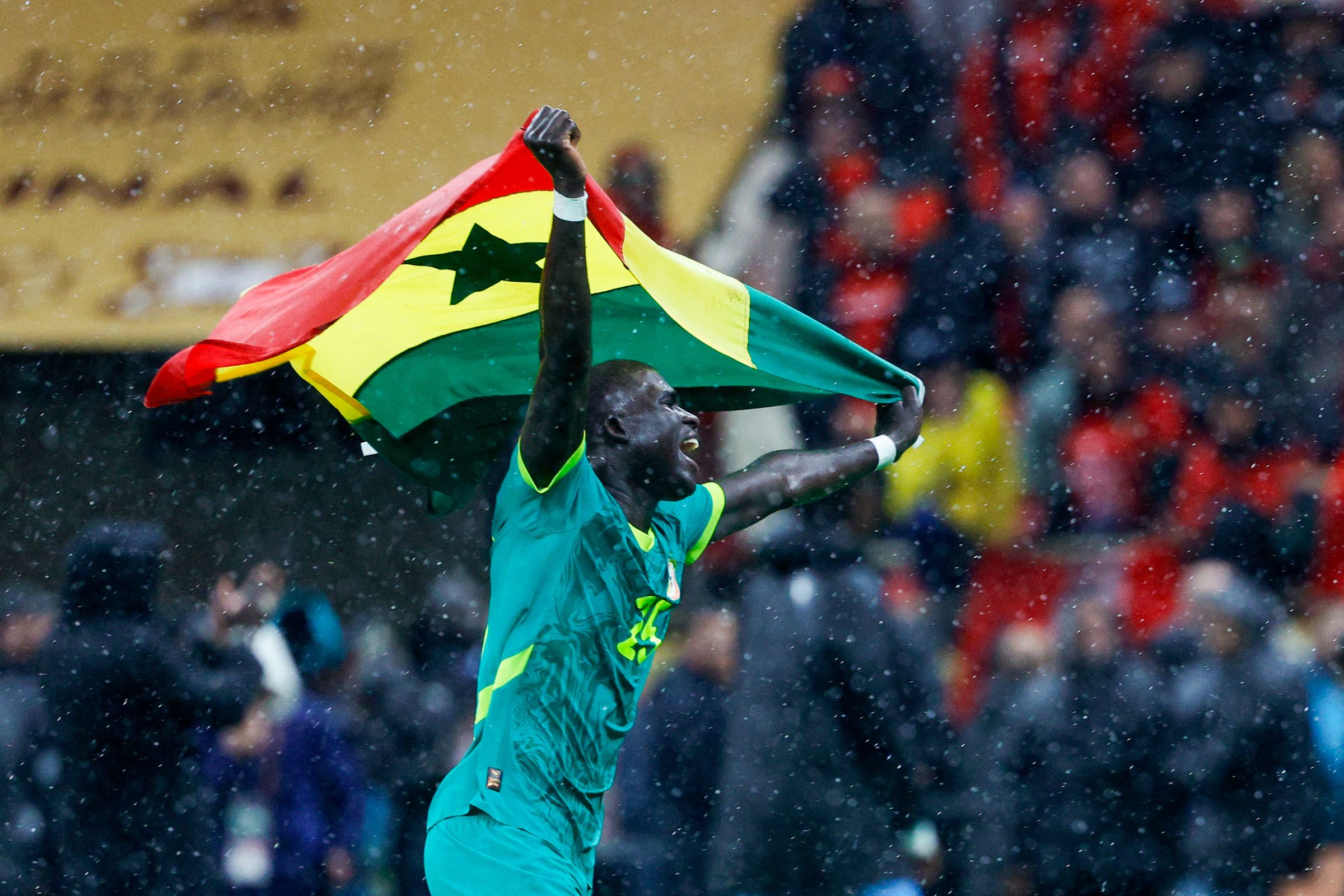
Senegal has once again been confirmed as the champions of African football. On Tuesday, 24 November, the Court of Arbitration for Sport (CAS) overturned the Confederation of African Football’s decision to strip Senegal of the 2025 Africa Cup of Nations title and award it to Morocco. The ruling restores the 1–0 victory Senegal secured after extra time in Rabat on 18 January 2026.
The decision reverses a dramatic intervention by CAF’s Appeal Board in March, when it declared Senegal to have forfeited the final after the team temporarily left the pitch in protest at a penalty awarded to the hosts. Morocco had consequently been recorded as 3–0 winners. CAS has now set aside that decision and reinstated the earlier ruling of CAF’s Disciplinary Board, which had rejected Morocco’s protest against the match result.
The judgment was unanimous. Its central finding was that the referee, Democratic Republic of Congo official Jean-Jacques Ndala, had the authority to decide whether the match should resume or be abandoned. By allowing the players to return and restarting play, he had made a decision on the field that CAS considered protected by football’s “field of play” doctrine.
How the final descended into a dispute
The controversy began in the closing stages of a final that had remained goalless. In the 98th minute, Ndala awarded Morocco a penalty after a VAR review of a challenge by Senegal defender El Hadji Malick Diouf on forward Brahim Díaz. The decision came shortly after the referee had disallowed a Senegal goal by Ismaïla Sarr for a foul in the build-up.
Senegal’s players protested the penalty decision. Head coach Pape Thiaw then instructed his team to leave the field, with several players heading towards the tunnel. The match was interrupted for approximately 15 minutes. Sadio Mané remained on the pitch and urged his teammates to return. They eventually did, and play resumed.
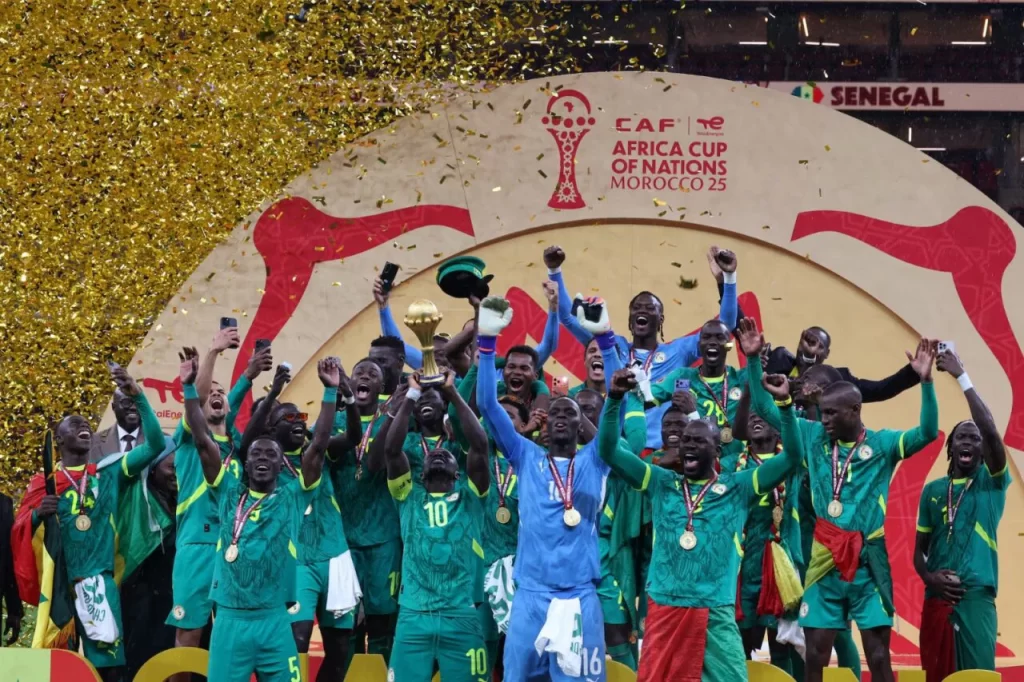
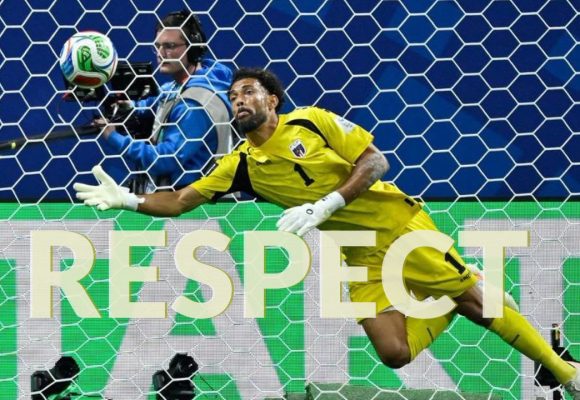
Díaz took the penalty but attempted a Panenka-style kick that goalkeeper Édouard Mendy caught. The match went into extra time, where Pape Gueye scored the only goal, giving Senegal a 1–0 victory and their second AFCON title.
The walk-off was condemned by several figures in football, including FIFA president Gianni Infantino who criticised the scenes. Thiaw later acknowledged that he should not have instructed his players to leave the pitch and apologised for the disruption. The final also featured incidents involving Moroccan players, technical staff, ball boys and supporters. These would become part of the disciplinary proceedings that followed.
From CAF’s first ruling to Morocco being declared champions
On 28 January, CAF’s Disciplinary Board imposed sanctions on both federations and individuals involved in the final. Senegal coach Pape Thiaw received a five-match CAF suspension and a $100,000 fine. Senegalese players Iliman Ndiaye and Ismaïla Sarr were each suspended for two CAF matches. The Senegalese Football Federation was fined a total of $615,000.
Morocco also faced sanctions. Captain Achraf Hakimi received a two-match suspension, with one match suspended for a year. Ismaël Saibari was suspended for three matches and fined $415,000 over the conduct of ball boys, players and officials around the VAR review area, and for the use of lasers by supporters.
Crucially, the Disciplinary Board rejected Morocco’s protest that Senegal had breached Articles 82 and 84 of the AFCON regulations in a way that required the team to forfeit the final. The result therefore remained a 1–0 Senegal victory.
Morocco appealed. On 17 March, CAF’s Appeal Board overturned the earlier decision on the match result. It found that Senegal’s conduct fell within the scope of Articles 82 and 84 of the AFCON regulations, upheld Morocco’s protest and declared Senegal to have forfeited the final. The result was changed to 3–0 in Morocco’s favour, making the hosts champions.
Senegal rejected the change of result and took the dispute to CAS.
What CAS decided
The Senegalese Football Federation registered its appeal with CAS on 25 March 2026. It asked the tribunal to set aside CAF’s Appeal Board decision and restore Senegal’s victory. The case was heard in person at CAS headquarters in Lausanne, Switzerland, on 8 October. The three-member panel was chaired by French sports law expert Gérald Simon, with German legal academic Ulrich Haas and Italian professor Luigi Fumagalli as the other members. Proceedings were conducted in French.
The central legal question was whether Senegal’s players’ temporary departure meant the match had been forfeited under the AFCON regulations, despite the referee subsequently allowing play to resume. Morocco argued that the players’ departure breached Articles 82 and 84 of the competition regulations and that the referee should have ended the match. Its federation also argued that the referee’s decision to restart play was outside the protection of the field of play doctrine and was arbitrary. Senegal’s federation took the opposite position. It argued that the referee’s decision to resume the match was a matter of on-field authority and could not be overturned through a subsequent disciplinary interpretation of the competition rules.
CAS accepted Senegal’s central argument. In its summary, the panel said the referee’s decision to resume or stop the match fell within his sole authority. When he blew his whistle to restart play in the 109th minute, he had determined that the conditions for continuing had been met: both teams were back on the pitch and willing to play.
The panel further concluded that Articles 82 and 84 were intended to determine the outcome of a match when a team’s conduct led the referee to stop it permanently. Since Ndala had not abandoned the final and had instead restarted it, CAS found that those provisions did not apply to the circumstances of the match.
The disciplinary sanctions remain
The ruling does not mean that Senegal’s conduct during the final has been cleared of disciplinary responsibility. CAS explicitly noted that the Senegalese federation, Thiaw and certain players had already been sanctioned by CAF through separate disciplinary proceedings.
CAF’s statement following the CAS decision confirmed that the tribunal had set aside the Appeal Board’s decision of 17 March and reinstated the Disciplinary Board’s decision. In practical terms, the 1–0 result is restored, while the original disciplinary findings and sanctions remain the relevant decisions. The dispute over the title and the disciplinary proceedings are separate matters.
Morocco disputes the ruling and raises an allegation
Morocco has said it will challenge the CAS decision through available legal channels. In a statement issued on Tuesday, the Royal Moroccan Football Federation expressed dissatisfaction with the ruling and said it was surprised that CAS had not addressed its concerns about the integrity of the arbitration process.
The federation specifically alleged that German arbitrator Ulrich Haas had been in contact with Senegalese Football Federation president Abdoulaye Fall in the days before the decision was delivered. Morocco said it had raised the matter with CAS and argued that the alleged contact could undermine confidence in the arbitration process.
The allegation has been denied. Reuters reported that a Senegalese federation spokesperson rejected the claim of telephone contact, while CAS said Haas strongly denied having any direct contact with the parties at any point during the proceedings. Morocco also argued that the CAS decision did not take account of what it described as the position recently established by the International Football Association Board (IFAB) and FIFA concerning players leaving the field without the referee’s permission, and the disciplinary responsibilities that may follow. That is the Moroccan federation’s stated objection. The CAS summary, meanwhile, sets out the panel’s reasoning in terms of the referee’s authority to resume the match and the applicability of the AFCON regulations.
Under the CAS system, challenges to an award are not simply a fresh appeal on the footballing merits. The Swiss Federal Supreme Court is the court with jurisdiction to hear an application to set aside a CAS award, but its review is limited to specific legal grounds. Reuters identified it as the court to which Morocco could take its challenge. Whether the federation files such an application, and on what grounds, will determine the next stage of the dispute.






LEAVE A COMMENT
You must be logged in to post a comment.