

|
LISTEN TO THIS THE AFRICANA VOICE ARTICLE NOW
Getting your Trinity Audio player ready...
|
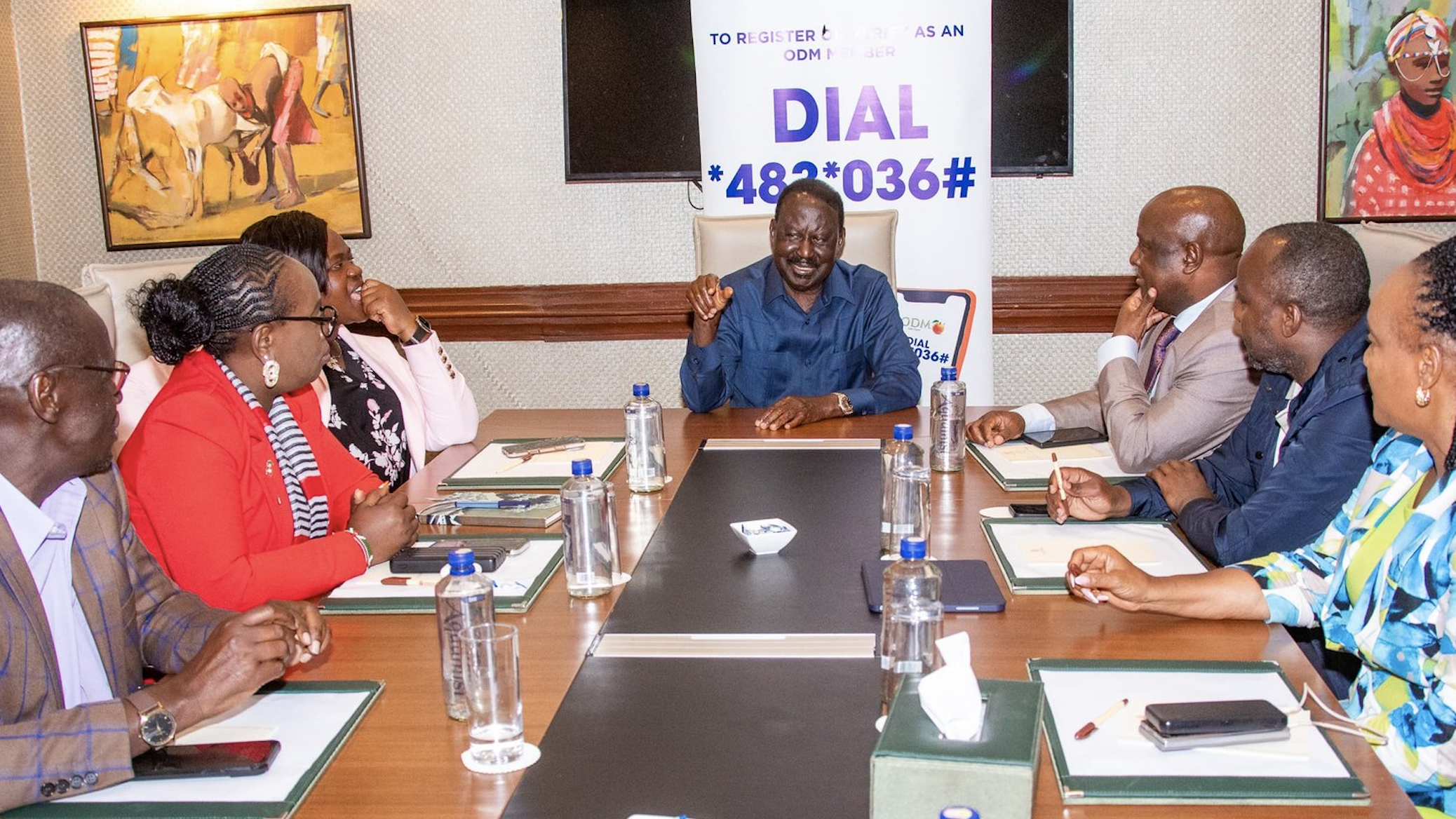
NAIROBI, Kenya (TAV) – Raila Odinga’s camp has come out swinging against what it calls a coordinated smear campaign about his health, dismissing claims that the veteran opposition leader is unwell and accusing former Deputy President Rigathi Gachagua and his allies of spreading “familiar misinformation.”
In a fiery statement issued on Sunday, Odinga’s secretariat denied the reports about his alleged illness, describing them as false and politically motivated, and characterized them as the latest attempt to distract from President William Ruto’s administration.
The release, signed by Odinga’s spokesperson Dennis Onyango, accused Gachagua, Wiper leader Kalonzo Musyoka, and DAP–Kenya’s Eugene Wamalwa of masterminding the rumors and enlisting “co-opted” sections of the media to amplify them.
“The political formation of impeached former Deputy President Rigathi Gachagua and his struggling team… are on a familiar campaign of misinformation on the health of former Prime Minister and ODM Party Leader Raila Odinga,” the statement read. It added that the group was “bullying Hon. Raila” in an effort to stay politically relevant.
Odinga Team Pushes Back on Media Reports
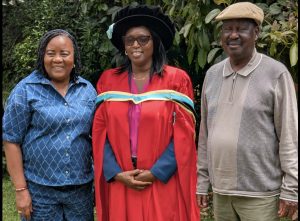
Odinga’s office rejected reports by The Standard, Citizen Digital, and The Star that suggested he was either indisposed or had traveled abroad for medical attention. His team stated that the ODM leader had merely left the country for a private trip, one of several he had made this year.
“He is not indisposed, as prayed for by his frustrated opponents,” Onyango said, insisting Odinga was in good health and active.
The statement also revisited Odinga’s history of openness about his medical status, noting that he had previously disclosed when he was hospitalized as prime minister in 2010 and when he tested positive for COVID-19 in 2021.
“He would do the same today were he to be in the health situation his opponents wish,” Onyango said.
Media speculation over Odinga’s health began late last week after the opposition leader skipped a series of local events. Some blogs and commentators claimed he had flown to Europe for treatment, a report that the Odinga camp called false and malicious.
Rivals Deny Role in Rumors
Gachugua sharply responded to the ODM accusations at a rally, saying the ODM team should not blame them because they’re not pathogens that cause diseases.
Wiper officials denied involvement in the rumors, saying ODM’s accusations were “malicious and politically desperate.” Gachagua, who has recently criticized ODM’s political strategy, has not directly commented on the health allegations.
Analysts say the controversy underscores the volatility of Kenya’s political messaging space, where social media posts, AI-generated images, and partisan commentary often blur the line between fact and fiction. In a country where leaders’ health has historically been treated as both a private matter and a political weapon, Odinga’s assertive response reflects an effort to reclaim control of the narrative.
Misinformation as a Political Weapon
For Odinga, the episode may also serve as a reminder of how quickly a public absence can spark speculation. His team’s combative tone, however, suggests they view this not just as rumor control, but as an opportunity to expose what they see as the moral decay of Kenya’s political discourse.
“Home or away, Hon. Raila remains committed to the ideals of the Broad-Based Government,” the statement concluded. “We understand his opponents’ frustration with this.”
Odinga, 80, remains one of Kenya’s most influential political figures and a central player in the country’s evolving post-election realignment. His allies say he will continue to engage with the public both at home and abroad, and that no amount of rumor-mongering will change that.



LEAVE A COMMENT
You must be logged in to post a comment.