

|
LISTEN TO THIS THE AFRICANA VOICE ARTICLE NOW
Getting your Trinity Audio player ready...
|
Ritz-Carlton invites guests to “follow the ancient path of the Great Migration” and sip champagne beside the Sand River.
Outside the camp’s gates, a growing chorus of Maasai leaders, conservationists, and Kenyans online say the same river should never have been turned into a front-row luxury spectacle.
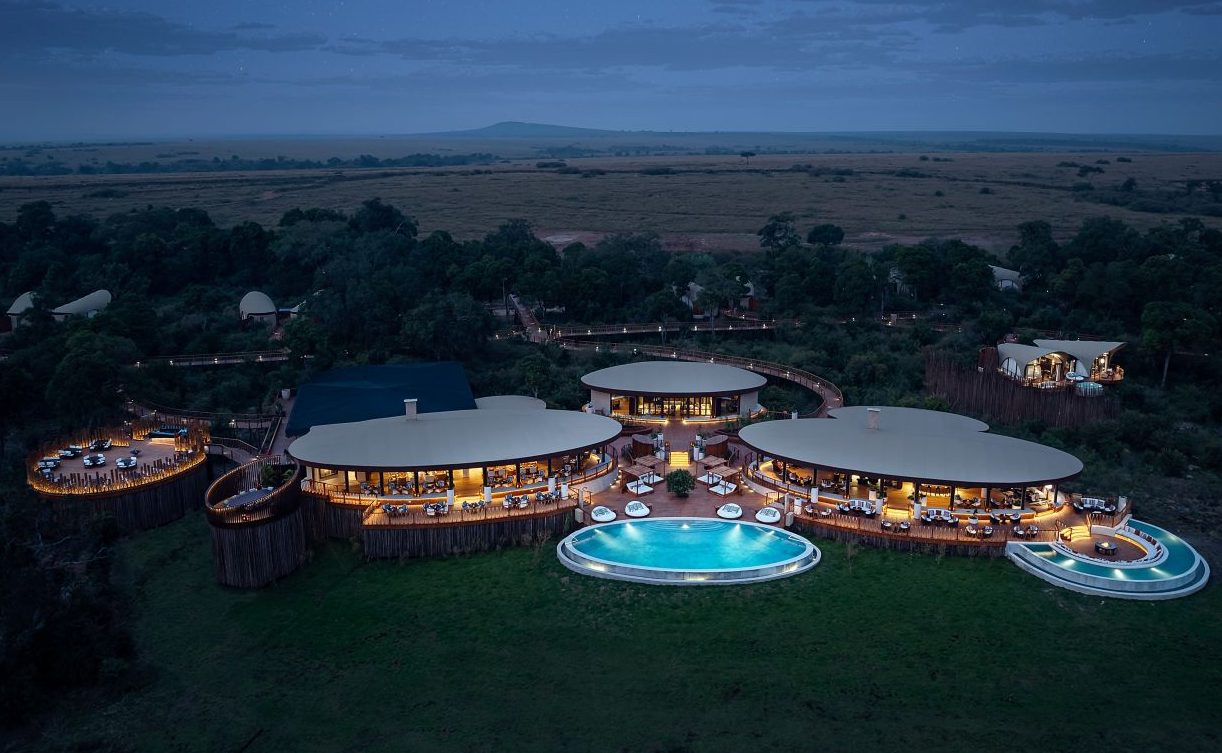
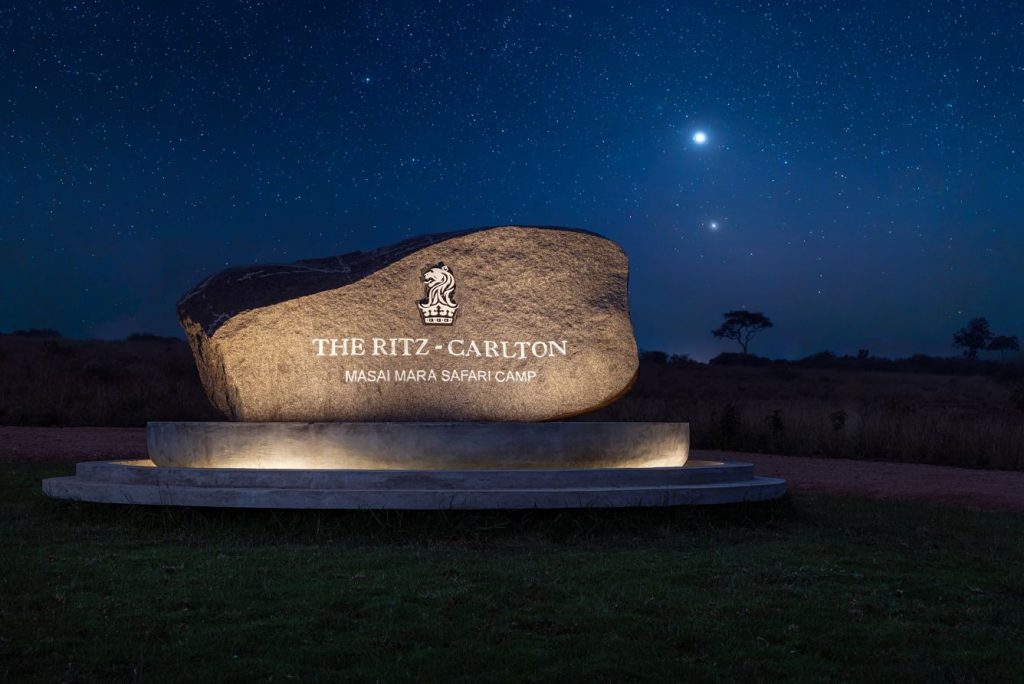
The new Ritz-Carlton Safari Camp sits in the Sand River area of the Maasai Mara, next to the Kenya–Tanzania border and within the wider Mara–Serengeti ecosystem. The camp opened in August with roughly 20 high-end tented suites, private plunge pools, and prices topping $3,500 a night.
Ritz-Carlton markets the site as a place where wildlife “gather during the Great Migration” and where guests can stand at a historic border stone that marks the boundary between the Maasai Mara and the Serengeti.
The brand promises hot-air balloon rides, private game drives, bush breakfasts, and curated visits to Maasai communities, all framed as a seamless blend of “adventure, discovery and the timeless spirit of the wild,” according to its website.
Critics say that spirit is precisely what is now under threat.
Glossy safari vision meets legal challenge.
In August, Maasai elder and activist Meitamei Olol Dapash filed a lawsuit in a Kenyan court to stop the camp. He leads the Institute for Maasai Education, Research and Conservation, also known as MERC.
Dapash argues that the lodge sits on a crucial route used by wildebeest and zebra as they move between the Maasai Mara and Tanzania’s Serengeti. He says the project violates the Maasai Mara Management Plan, which placed a freeze on new tourism developments in sensitive areas, and questions whether regulators conducted a credible environmental impact assessment.
The suit names Marriott International, which owns the Ritz-Carlton brand, local developer Lazizi Mara Limited, and several Kenyan authorities. Maasai leaders now want the camp removed, not just reviewed, and some are calling for its demolition.
Their complaint lands in a landscape where scientists have already warned of sharp declines in wildlife numbers across the Mara–Serengeti system since the 1970s.
Ritz-Carlton enters the Mara with global prestige and high-end design
Ritz-Carlton, one of the world’s most recognized luxury hospitality brands, from Tokyo to New York, has built a reputation on personalized service, refined design, and premium amenities.
The new Maasai Mara Safari Camp continues that tradition and is its first safari property on the African continent.
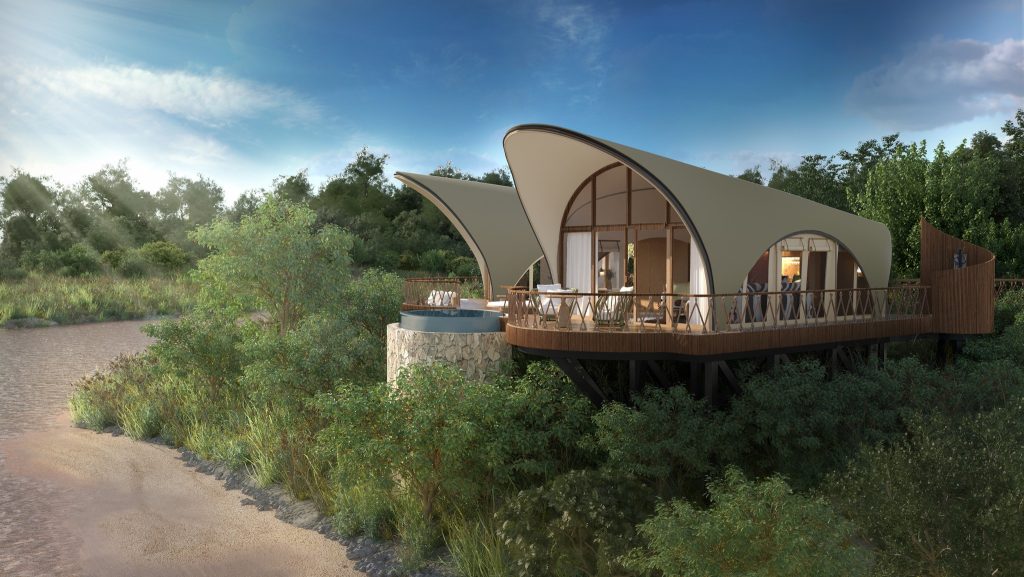
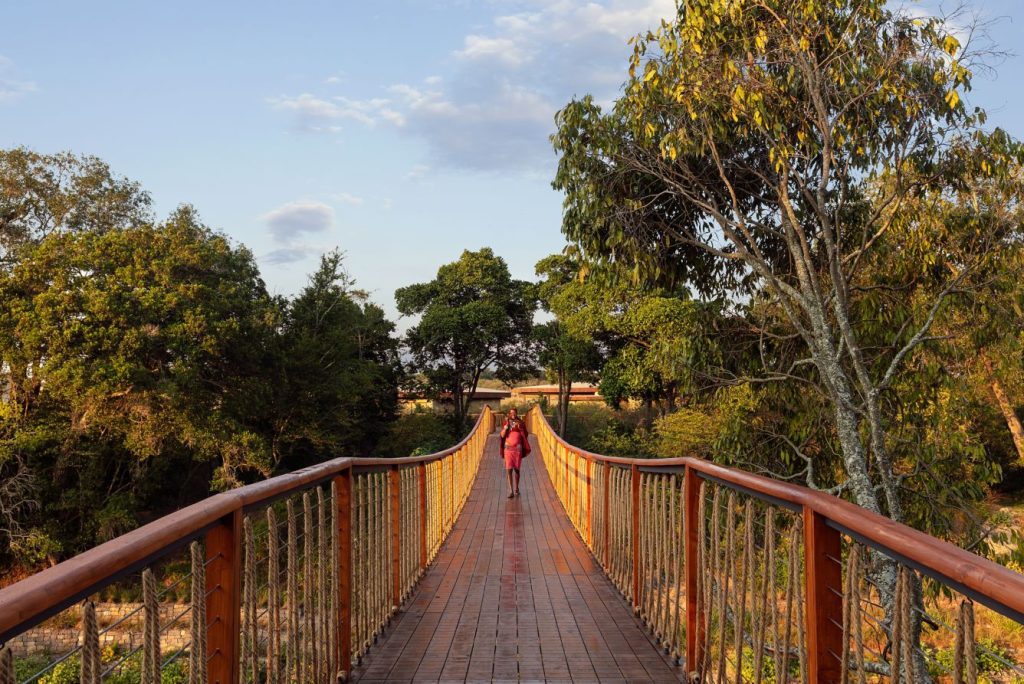
Its treetop suites feature private plunge pools, curved architectural shells, floor-to-ceiling glass, outdoor dining decks, and riverfront views. The main lodge includes a panoramic lounge, two infinity pools, an elevated walkway through forest canopies, and access to exclusive sunrise and sunset game drives.
The camp markets photography safaris with professional cameras, balloon flights over the Mara at dawn, and curated Maasai cultural immersions. Night-sky dining, champagne breakfasts by the river, and private Land Cruiser excursions anchor the experience.
The Ritz-Carlton describes the camp as “a seamless blend of adventure, comfort and the spirit of the wild.”
What makes the Sand River so sensitive
Every year, more than a million wildebeest, along with zebra and antelope, move between the Serengeti and the Maasai Mara in search of grazing lands and water.
The Great Migration ranks among the most significant mammal movements on Earth and is a central pillar of East Africa’s tourism economy.
Sand River flows through one of the Mara’s primary water sources. Conservationists say riverlines, crossing points, and the open grasslands behind them are key to the animals’ survival. Some researchers and guides argue that any large complex built in such a narrow corridor can alter animal behavior, from blocking traditional routes to increasing vehicle traffic and noise.
Activists point to earlier cases on the same river where lodge earthworks and riverside construction appeared to push herds away from historic crossing sites.
The Ritz-Carlton’s own description stresses proximity to the spectacle. The brand highlights suites that overlook the Sand River, promises “uninterrupted views” of herds that “gather during the Great Migration,” and markets private drives “along the migration route” with cameras and guides on hand.
For opponents, that language confirms their fear that the migration itself has become a staged backdrop for high-paying tourists.
State and developers close ranks around the camp
Kenya’s wildlife and environment agencies now find themselves defending the project in public.
On 27 November, the Kenya Wildlife Service, KWS, issued a statement rejecting claims that the Ritz-Carlton camp blocks any migration corridor.
The agency said long-term monitoring data show wildebeest use the full 68-kilometre stretch of the Kenya–Tanzania border rather than a single narrow path, and that the camp does not sit on or obstruct a corridor.
KWS also noted that at least five other permanent camps and more seasonal sites already operate along the Sand River. None has faced the same storm of criticism, a point officials use to argue that social media has amplified the controversy around the Ritz-Carlton.
Separately, the National Environment Management Authority, NEMA, confirmed that it approved the environmental impact assessment for the camp. NEMA has stated that the project complies with conservation law and that the site is not located within a designated migration corridor.
Marriott and Lazizi Mara also insist they followed every step of the approval process. They argue that the camp’s unfenced layout and raised structures allow wildlife to pass freely and that the project will create jobs and community benefits in Narok County.
Maasai say consent was never real.
Many Maasai leaders and residents reject that narrative.
They accuse government agencies of greenlighting a lodge that mainly serves global elites, while pastoralist communities bear the costs. The plaintiffs in the court case say authorities did not seek their meaningful, informed consent, despite the Maasai’s long-standing claims to the land around the Mara.
Activists also highlight a broader pattern. Studies on luxury tourism across Africa show that even when projects promise jobs and community funds, local people often receive only a small share of the revenue. Most profits flow to international operators and urban elites.
For some Maasai, the way the Ritz-Carlton describes its cultural offerings deepens the unease. The brand promotes “immersive” visits where guests watch beadwork, songs, and dances, and gather to hear a Maasai moran sound a horn as the sun sets. To critics, that turns a living culture into a choreographed performance, while the community struggles with land loss, grazing restrictions, and drought.
Enter Caroline Mutoko
Kenyan media personality Caroline Mutoko has joined the broader public debate, asking pointed questions of both the government and the Ritz-Carlton and accusing the luxury hotel brand of failing to “introduce themselves.”
Her main arguments include:
- Kenya lacks clear rules for visitor conduct in high-pressure wildlife zones. She argues that limits on vehicles, crowding, and photography at river crossings should have been in place long before the Ritz-Carlton dispute.
- The Ritz-Carlton failed to introduce itself to Kenyans properly. She says most people learned of the brand only because of the controversy, and that any company entering a culturally sensitive landscape should establish transparency and trust from the outset.
- Regulators share responsibility. Mutoko stresses that the lodge could not exist without government approvals, pointing to broader governance gaps rather than a single corporate misstep.
Her remarks have amplified an already intense online backlash, especially among younger Kenyans.
Why the controversy matters beyond Kenya
The dispute goes far beyond a single luxury lodge.
Across the continent, governments court high-spending visitors with premium safari brands, new air links, and high-profile marketing campaigns. Tourism brings valuable foreign currency and can support conservation. Yet many African scholars and community groups warn that, without stricter rules, luxury camps will creep into fragile landscapes and deepen inequality, Reuters reports.
The Maasai Mara controversy raises sharp questions. Who profits when global brands sell “the African wilderness” for thousands of dollars per night? Who decides where the line lies between showcasing nature and exploiting it?
The answers will shape not only Kenya’s most famous reserve but also models for tourism from Botswana to Tanzania and beyond. If courts and regulators uphold strict protections for migration routes and community rights, investors may have to change where and how they build. If they do not, critics fear that iconic scenes, like wildebeest pouring across the Mara River, will exist mainly on old postcards and curated Instagram feeds.
What to watch next
A Kenyan court is expected to hear the lawsuit against Marriott, Lazizi Mara, and state agencies in the coming weeks.
The outcome could set a precedent for future developments in the Maasai Mara and other protected areas. It may also test how far Kenya is willing to go to both expand tourism and protect the ecosystems and communities that sustain that industry.
For now, guests at the Ritz-Carlton Safari Camp can still raise sundowners over the Sand River while herds move in the distance. Outside the camp, Maasai residents and conservationists continue a different kind of vigil, one focused on defending an ancient route that, in their view, should not be sold by the suite.









LEAVE A COMMENT
You must be logged in to post a comment.