

|
LISTEN TO THIS THE AFRICANA VOICE ARTICLE NOW
Getting your Trinity Audio player ready...
|
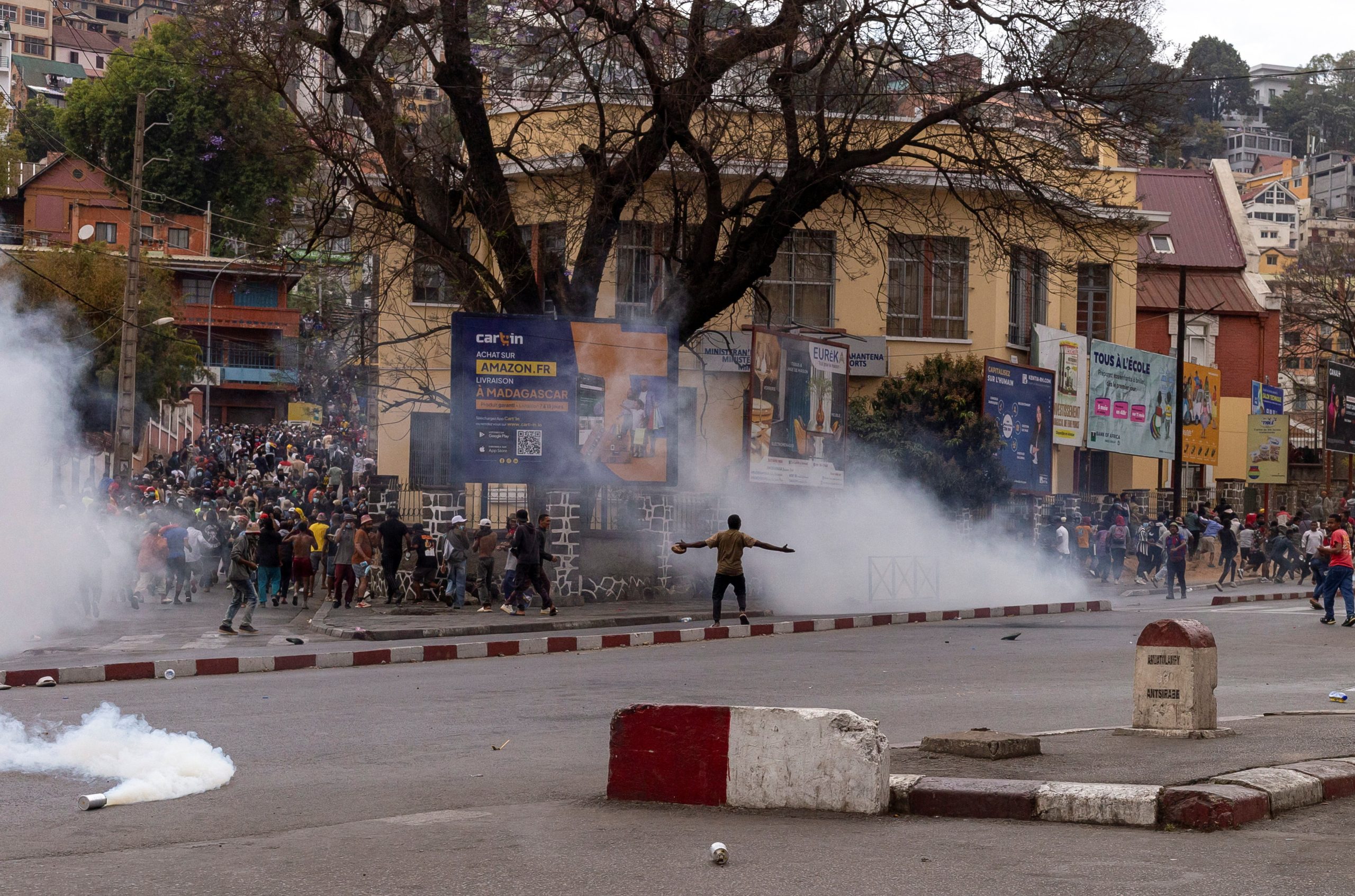
ANTANANARIVO (TAV) – Lights went out in Madagascar before the government did. For many days, Antananarivo’s homes sat in darkness, the taps ran dry, and frustration turned into fury. Students abandoned their lecture halls to gather at the city’s main university, chanting the national anthem as they waved placards scrawled with demands for dignity.
By the time they attempted to march toward the capital’s centre, police had already fired tear gas. Rubber bullets followed. In the chaos, supermarkets and banks were looted, politicians’ homes were set ablaze, and the government’s grip seemed to unravel in real time. And finally, on September 29, President Andry Rajoelina dissolved his cabinet, conceding in a televised address that his government had failed.
At least 22 people had been killed and more than 100 injured, according to the United Nations. Al Jazeera initially reported the story, but it quickly gained traction across the region.
When the Basics Collapse
The unrest in Madagascar was sparked on September 19 with the arrest of two local politicians who had planned a peaceful march over power and water shortages. For many, their detention symbolised an assault on the right to complain about a life already burdened by hardship.
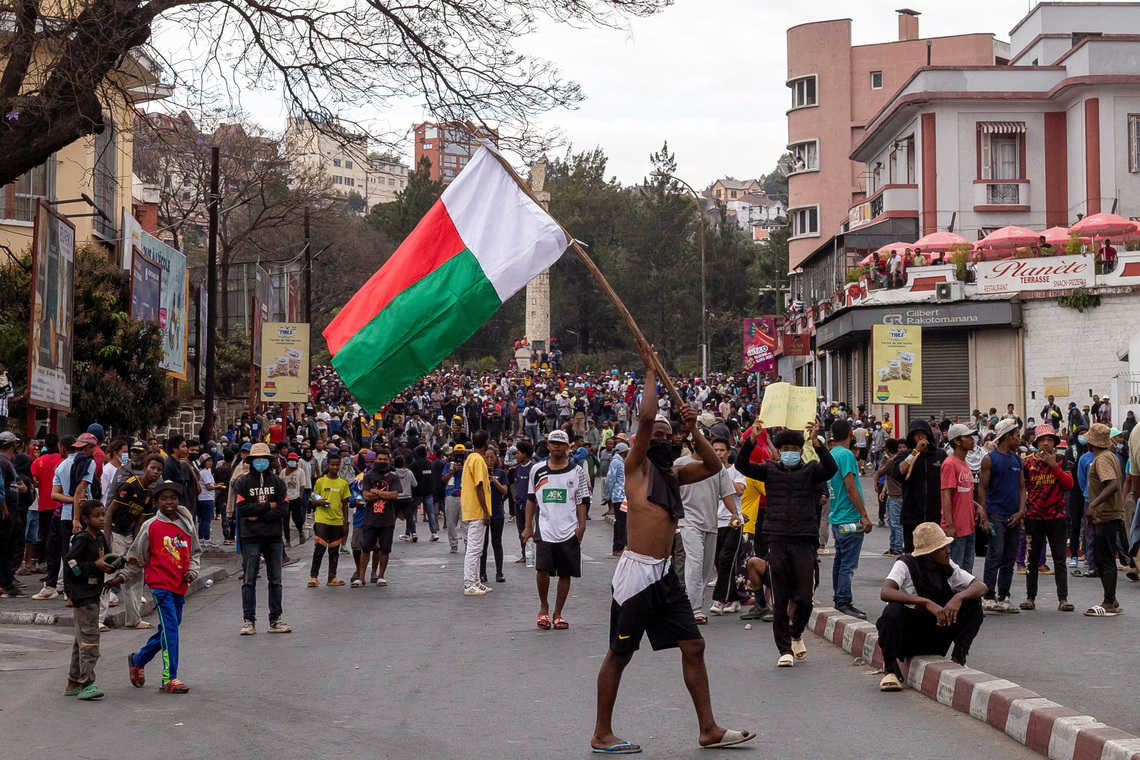
The state-owned utility Jirama, accused for years of corruption, had become a national metaphor. Power cuts lasted for hours. City water taps stayed dry. Businesses shut down mid-shift.
The protests quickly spread beyond Antananarivo to eight other cities. A youth-led online movement calling itself Gen Z Mada began coordinating actions through Facebook and TikTok. This was the largest wave of unrest Madagascar had seen in years, and it was unmistakably generational.
Morocco’s Stadiums vs. Hospitals
Barely a week later, another crisis erupted. This time, more than 5,000 kilometres away in Morocco.
On the southern outskirts of Agadir, protesters filled the streets of Leqliaa, furious at what they saw as corruption and misplaced priorities. Billions were being poured into preparations for the 2030 World Cup, with shiny new stadiums sprouting across the country. However, in towns and villages, schools lacked teachers, and hospitals struggled without beds.
“Stadiums are here, but where are the hospitals?” they chanted.
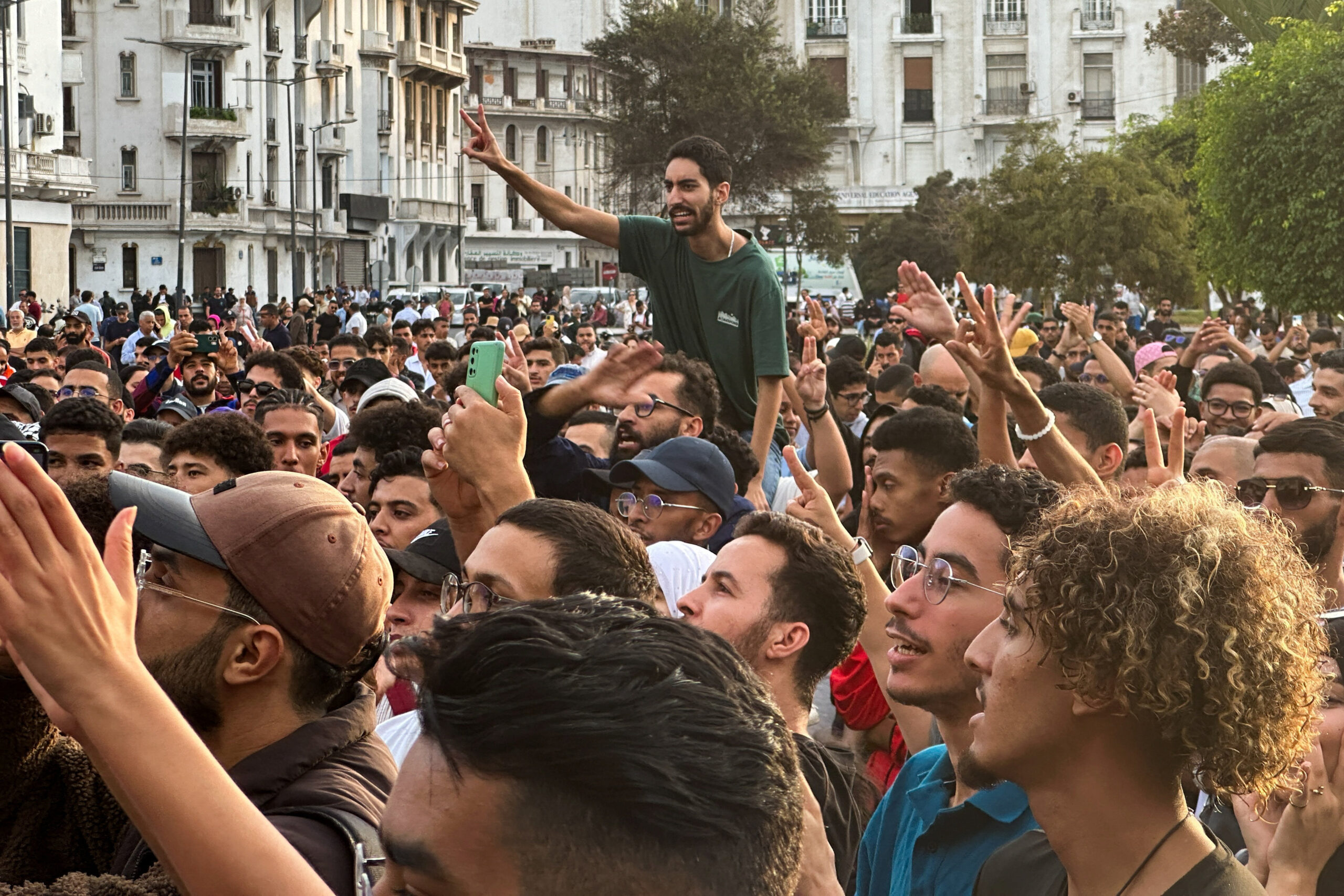
Security forces opened fire. Three people were killed on October 2. Morocco’s Interior Ministry claimed they were attempting to seize police weapons. No independent witnesses confirmed that. Hundreds were injured. The Moroccan Association for Human Rights said 1,000 people had been arrested.
The protests were organised online by GenZ 212, a loose, anonymous youth collective operating on TikTok, Instagram, and even the gaming app Discord.
Morocco has seen protests before. In 2016 and 2017, demonstrations in the Rif region rocked the monarchy’s rule. But the current wave is different. It is more widespread, more violent, and unmistakably shaped by digital mobilisation. Prime Minister Aziz Akhannouch has offered dialogue. For now, protesters remain in the streets.
The Kenyan Blueprint
The similarities between Antananarivo and Agadir are not coincidental. Organisers in the protests in Morocco and Madagascar say they studied other youth movements. Above all, they borrowed from Kenya.
In 2024, Kenya’s Generation Z shook one of Africa’s most entrenched political systems when they rose against President William Ruto’s proposed Finance Bill, which threatened steep new taxes.
The protests were spontaneous, leaderless, and coordinated almost entirely online. Through hashtags, TikTok livestreams, and viral memes, young Kenyans rallied themselves and drew the world’s attention. They carried the Kenyan flag, sang the anthem, and portrayed themselves as patriots, not rascals.
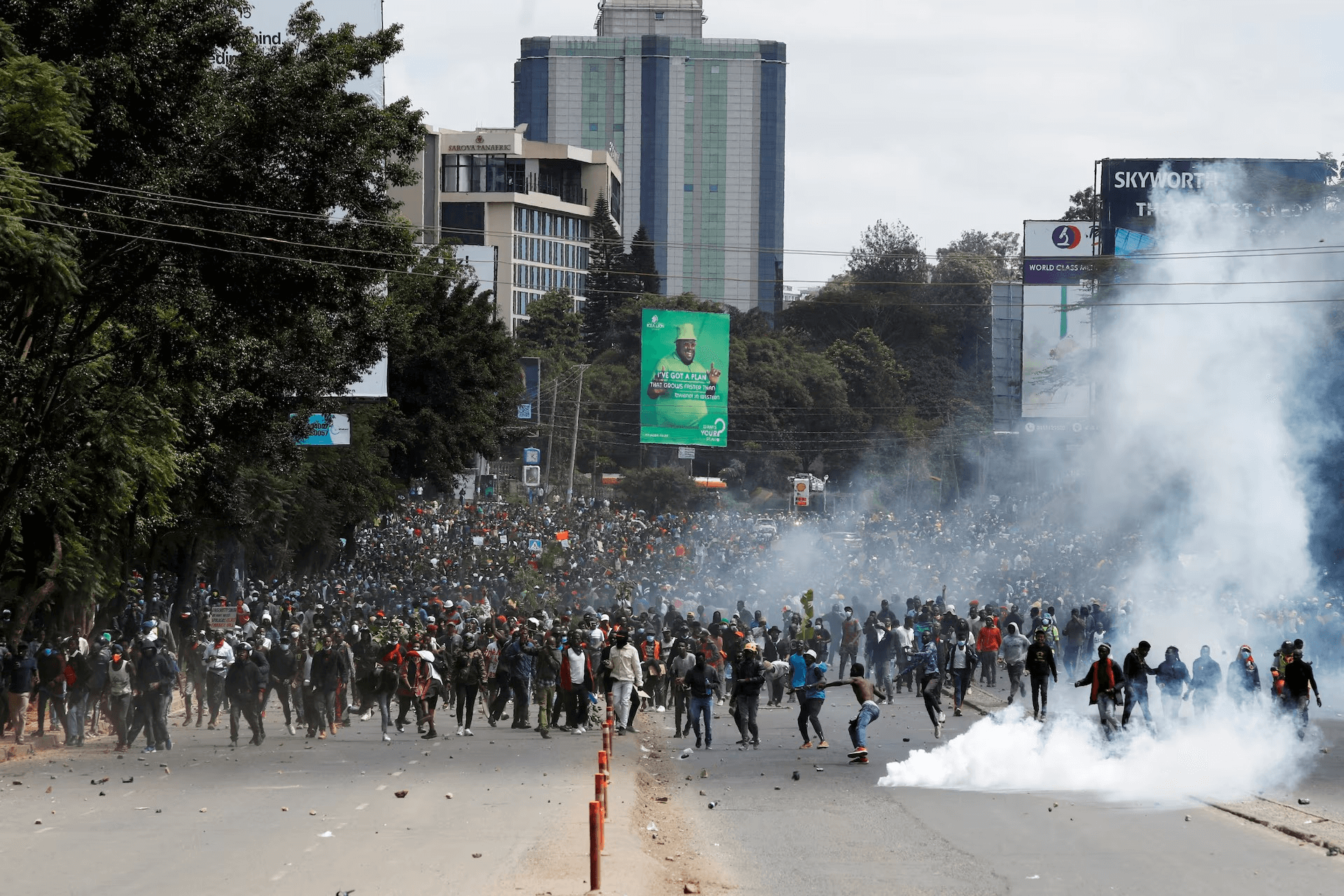
The effect was electric. The government backtracked as President Ruto dissolved his cabinet and abandoned the controversial bill. And just like that, a generation discovered its political muscle.
Madagascar’s Gen Z Mada and Morocco’s GenZ 212 copied that template: decentralised leadership, online coordination, patriotic symbolism, and a refusal to let political parties hijack their movements.
Nepal and the Global Wave
Beyond Africa, the lessons are global. In Nepal, protests last month forced the resignation of the prime minister. Demonstrators there had also mobilised online, projected discipline, and used national symbols to claim legitimacy. Malagasy protesters waved the same flag used in Nepal, an act of borrowed solidarity that made their movement feel part of something larger than a local struggle.
Madagascar is one of the poorest nations on earth, with nearly 75 percent of its 30 million people living below the poverty line. Morocco is wealthier but marked by glaring inequality. Kenya has long prided itself on democracy yet faces disillusioned young citizens wary of political elites. Nepal sits half a world away but shares the same discontent with broken promises.
Everywhere, it is the same generation; impatient, digitally fluent, unafraid, that is pushing back.
Madagascar’s Rajoelina apologised and sacked his cabinet. Morocco’s Akhannouch is scrambling to open dialogue. Kenya’s Ruto retreated under pressure. Nepal’s prime minister resigned.


LEAVE A COMMENT
You must be logged in to post a comment.