

|
LISTEN TO THIS THE AFRICANA VOICE ARTICLE NOW
Getting your Trinity Audio player ready...
|
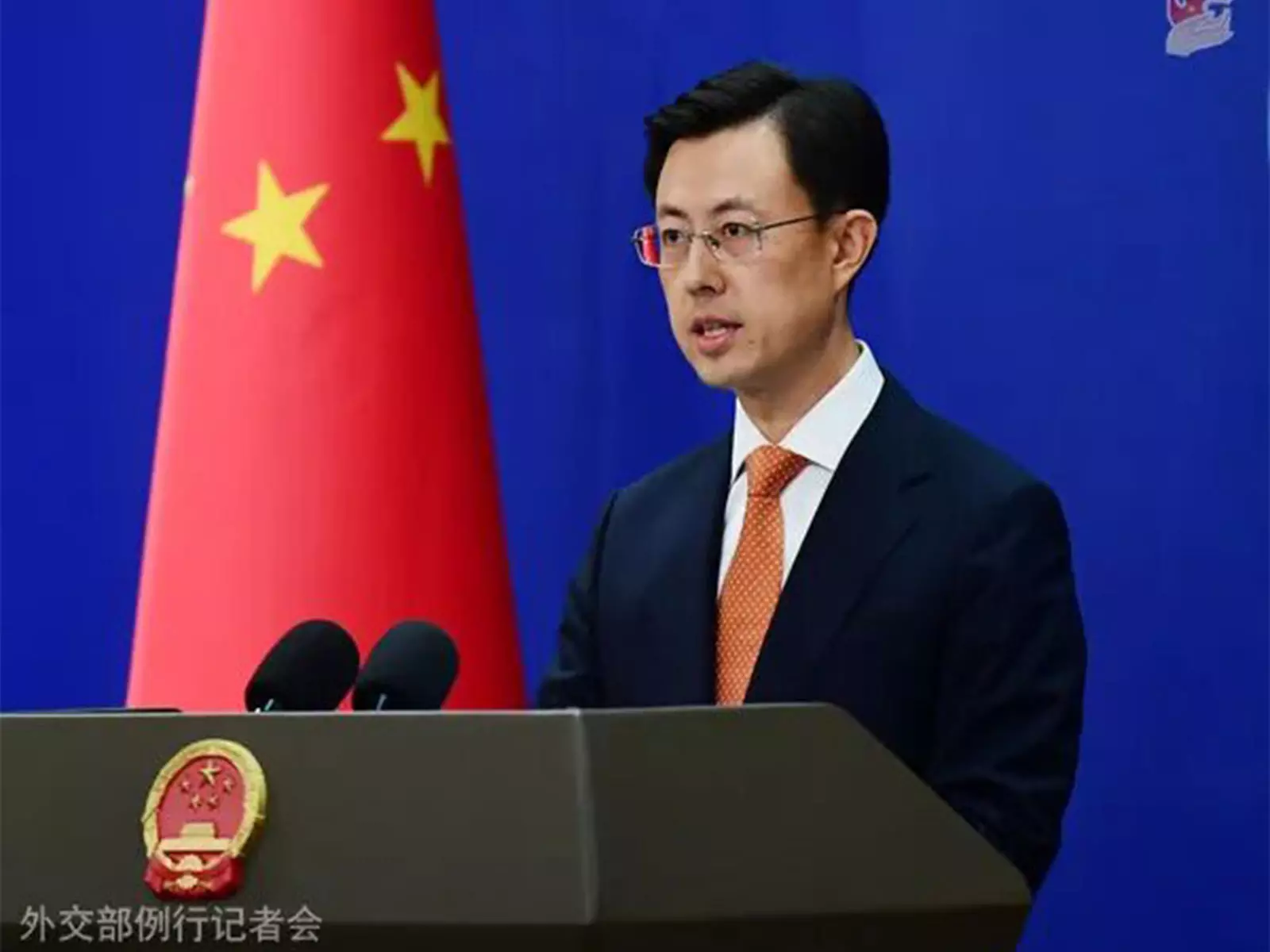
BEIJING, China (TAV) – Global competition for talent between the US and China is exploding in 2025. Washington has jolted Silicon Valley by slapping a $100,000 price tag on each H-1B visa application, while Beijing is dangling a new K Visa to attract international scientists and tech innovators with easier entry and residency.
The timing and symbolism are not lost on observers. America, once the unrivaled magnet for global talent, appears to be closing its doors. China, historically cautious about foreigners, is opening them wider than ever before. Between these two choices lies the future of global innovation.
America Turns Inward
For decades, the H-1B visa was the gateway to the American dream for scientists, engineers, and entrepreneurs. Established in 1990, it became the pipeline through which U.S. companies drew talent from India, China, and beyond. Today, Indians account for nearly seventy-one percent of H-1B visa holders, while Chinese nationals hold about 11.7 percent.
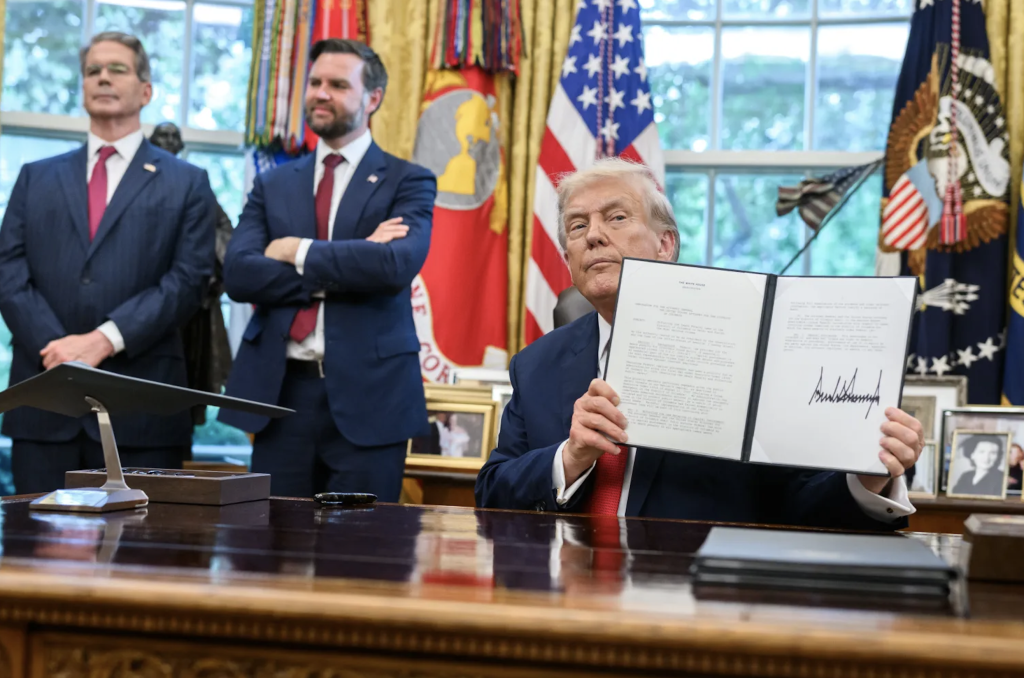
But under President Donald Trump’s second term, the visa has become a flashpoint. Since his return to the White House in January 2025, Trump has issued a flood of executive orders reshaping migration, asylum, and labor policies. The fee hike for H-1Bs is framed as a measure to protect American workers and curb misuse by outsourcing firms. Yet universities, research institutions, and corporations warn that it risks driving away the very talent that has sustained U.S. leadership in innovation for decades. The United States, they argue, risks turning the visa from a bridge into a barrier.
China Opens the Door
Across the Pacific, China is striking a different note. From October 1, 2025, the government will roll out its new K Visa, aimed squarely at young professionals in science and technology. Unlike existing Chinese permits, the K Visa allows multiple entries, longer stays, and freedom to pursue education, research, entrepreneurship, and cultural exchange without the backing of a domestic employer. Applicants need only prove a STEM degree or professional experience, and the process is expected to be streamlined through Chinese embassies and consulates.
The move is part of Beijing’s Talent Power Strategy, a national plan to position China as a leader in innovation-driven industries such as artificial intelligence, quantum computing, and renewable energy. Already, the country has been easing restrictions: by mid-2025 it had established visa-free or reciprocal entry arrangements with seventy-five countries. In the first half of the year, foreign nationals made 38.05 million cross-border trips, a 30.2 percent increase from 2024, with visa-free entries rising by nearly 54 percent. For a nation once criticized for being closed to outsiders, the trend is unmistakable.
A Rivalry Beyond Borders
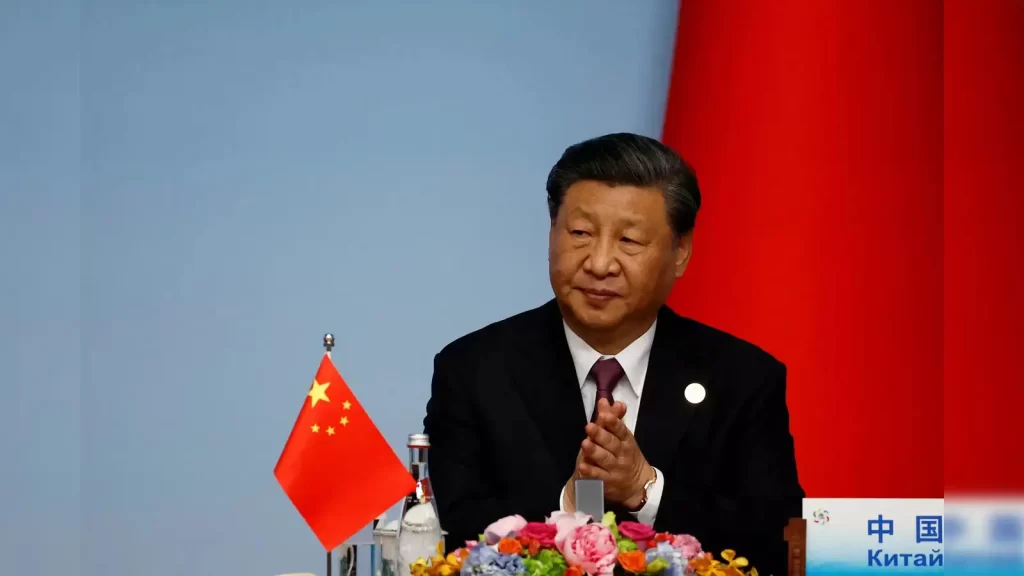
This divergence reflects the deeper geopolitical rivalry between Washington and Beijing, one that stretches across trade, technology, and ideology. America has historically leveraged its universities and tech firms to draw global brains, turning immigration into a source of national power. China, long seen as a country that lost talent to the West, is now positioning itself as the alternative destination.
The rivalry is sharpened by the numbers. For decades, immigrants have been central to America’s success. Studies show that nearly half of all Fortune 500 companies were founded by immigrants or their children. Silicon Valley itself is a product of that diversity, built on the work of Indian engineers, Chinese coders, and researchers from Europe, Africa, and Latin America. Beijing’s wager is that by loosening its borders, it can replicate part of that success, transforming itself from a source of talent into a magnet for it.
What Is at Stake
For the United States, if young scientists and engineers are priced out of its visa system, they may look elsewhere. India, Africa, Southeast Asia, and Europe are producing record numbers of STEM graduates each year. Many of them once dreamed of building careers in California or New York. Now they are weighing opportunities in Shanghai, Shenzhen, or Beijing, where the K Visa lowers barriers rather than raising them.
For China, by making itself more welcoming, it not only gains access to global expertise but also reshapes perceptions. The outcome of this rivalry will ripple far beyond the U.S. and China. In Nairobi or Lagos, in New Delhi or São Paulo, young graduates are making choices that will shape the geography of innovation. Universities and companies are watching closely, recalibrating where they send students and where they invest in research hubs.
The U.S. remains home to the world’s top universities and most powerful companies, but it risks becoming less accessible. China, still grappling with language barriers, intellectual property concerns, and political caution, is betting that its openness will outweigh those challenges.





LEAVE A COMMENT
You must be logged in to post a comment.