

|
LISTEN TO THIS THE AFRICANA VOICE ARTICLE NOW
Getting your Trinity Audio player ready...
|
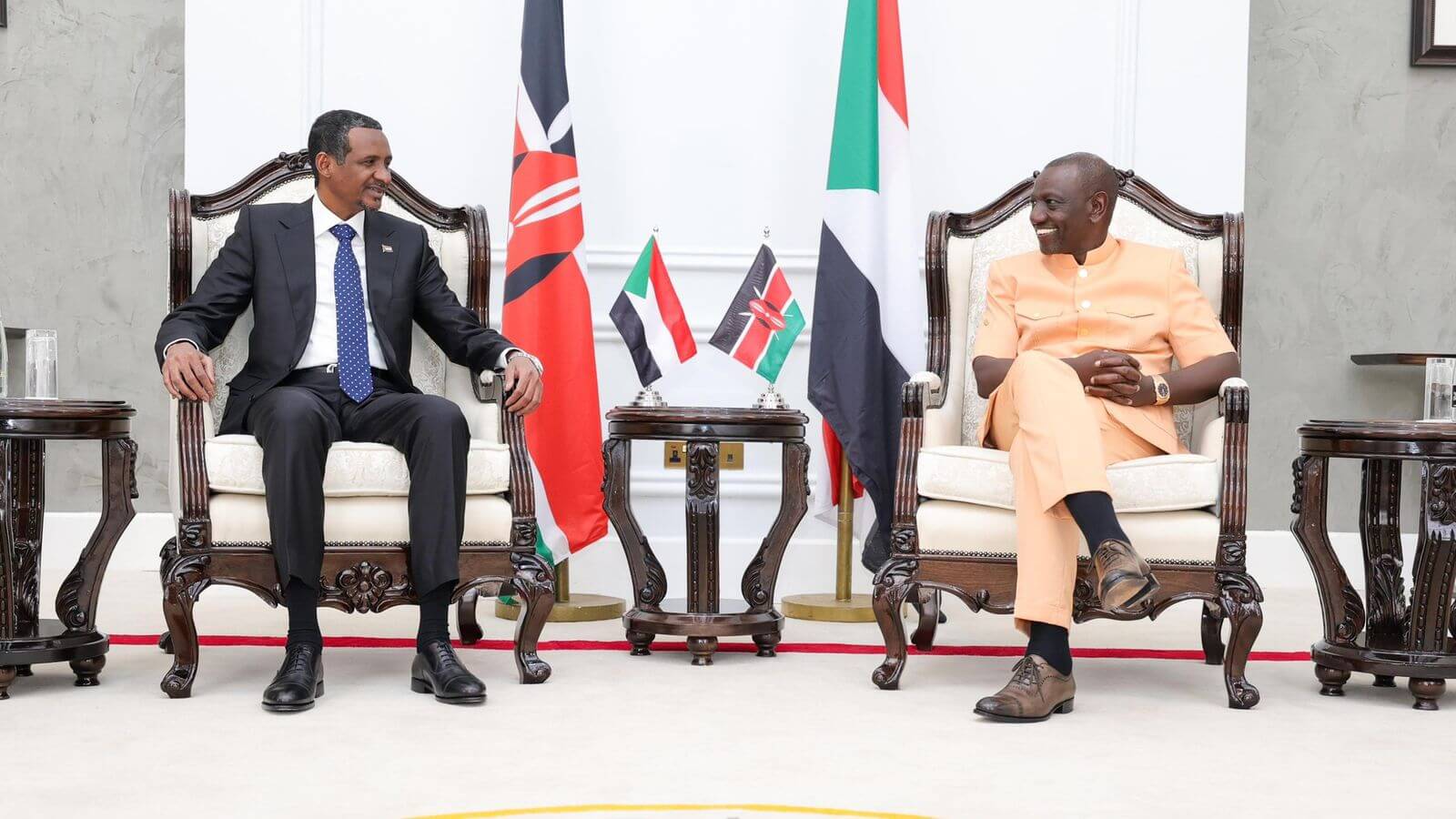
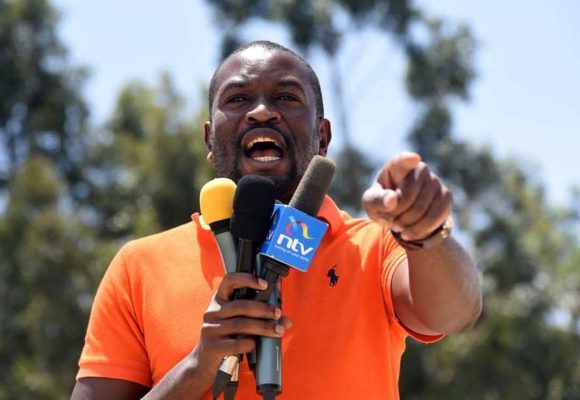
A leaked internal document from the Directorate of Immigration Services has raised questions about the issuance of Kenyan passports to foreign nationals, including individuals linked to conflict zones in Africa. The document, shared publicly on February 26, 2026, by political activist and presidential aspirant Boniface Mwangi, lists several names of foreign nationals who are reported to have obtained Kenyan passports in recent months.
The publication triggered public debate over compliance with citizenship regulations, potential national security implications, and Kenya’s international reputation.
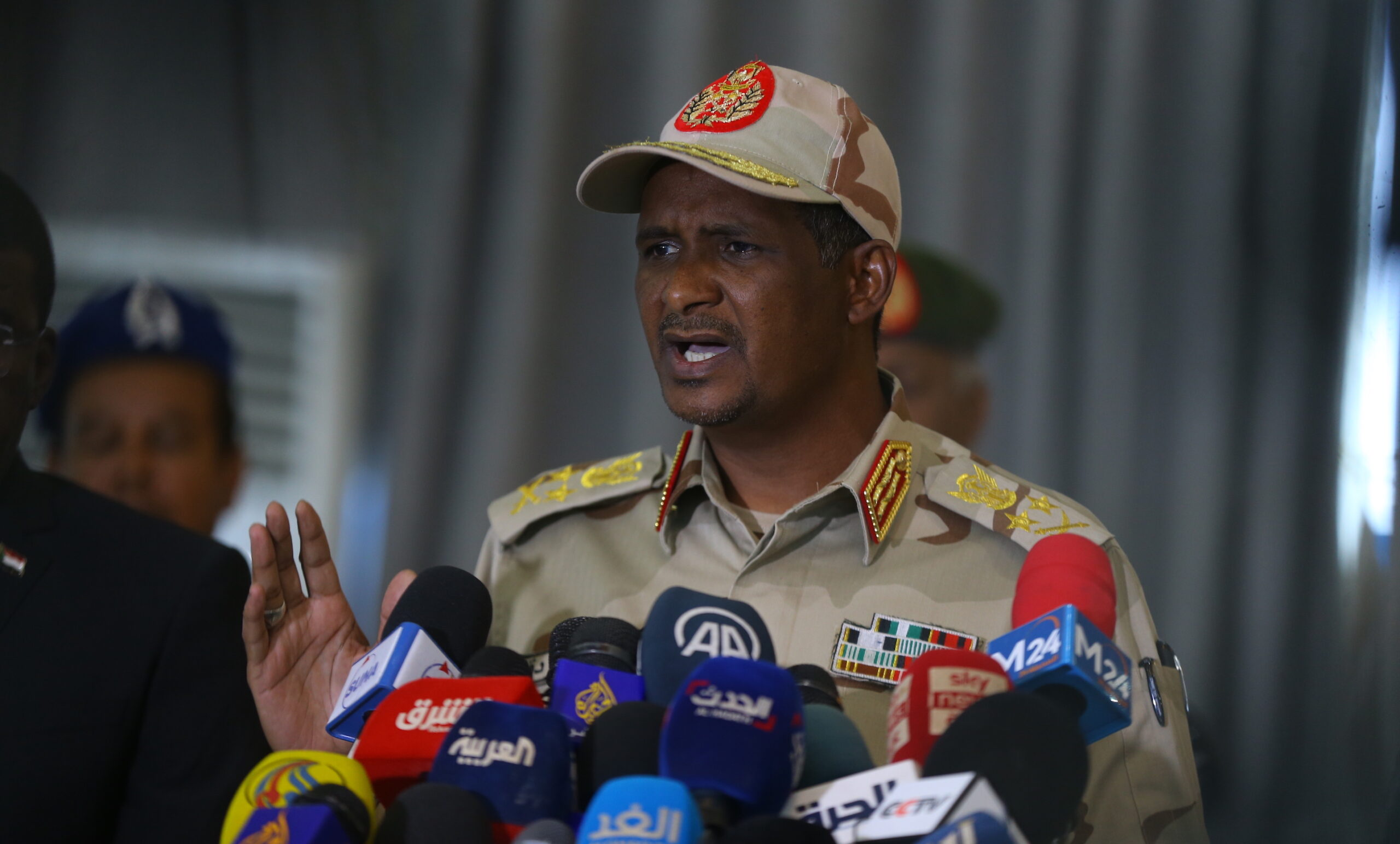
Among the individuals listed is Algoney Hamdan Dagalo Musa, reportedly the younger brother of Sudan’s Rapid Support Forces (RSF) commander Mohamed Hamdan Dagalo, also known as Hemedti. According to Mwangi, Musa holds a Kenyan passport (AK1586127) and is under both U.S. Treasury and European Union sanctions. Mwangi said that Musa has been linked to RSF logistics operations, including arms procurement.
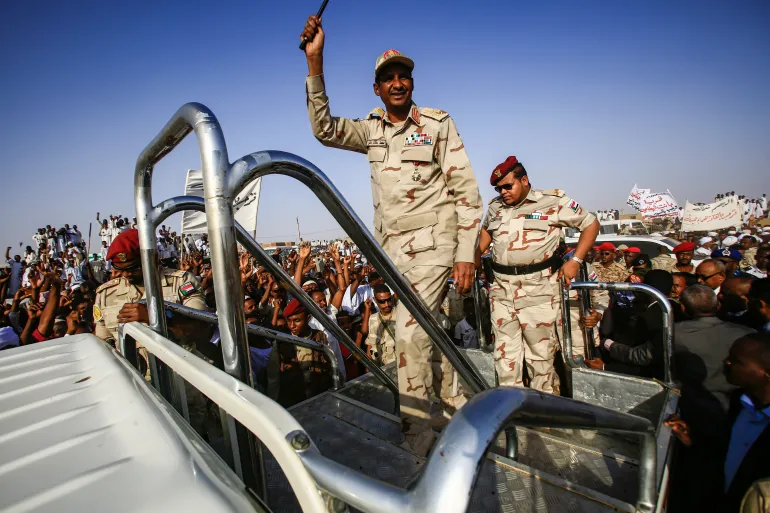
Other names on the list include individuals sharing the surname of the RSF leader, including Mayada Hamdan, Abdaraheem Hamdan, Zahra Hamdan, Zariwa Hamdan, and Musa Hamdan Musa.
The RSF has been implicated by United Nations reports and international human rights organisations in widespread human rights abuses during the Sudanese conflict. These include mass killings, sexual violence, recruitment of child soldiers, torture, attacks on hospitals and humanitarian workers, and looting of aid. The group has also been accused of targeting civilian populations during armed clashes.
The leaked document also lists Zimbabwean businessman Wicknell Chivayo, who has faced corruption investigations in Zimbabwe. Chivayo has previously been photographed in Kenya attending events with President William Ruto, according to media reports.
Mwangi said the alleged issuance of passports to foreign nationals whose links to Kenya are unclear raises concerns about national identity, legal compliance, and international credibility.
Public Reaction on Social Media
The leaked documents reignited discussions on social media about the accessibility of Kenyan passports for citizens. Many Kenyans expressed frustration at delays in processing times, citing long waits for passports even in urgent cases. Some users reported being forced to pay bribes to expedite the process, highlighting what they describe as systemic challenges in the passport issuance system.
People’s Liberation Party and former Presidential running mate, Martha Karua, called out the government for ‘rolling out the welcome mat for sanctioned warlords’ while Kenyan men were fighting and ‘dying’ in the Russia–Ukraine war. “I am calling for three things,” Karua wrote on X. “An immediate audit of every passport issued through backdoor channels, and anyone in immigration who signed off on it must be named and prosecuted.”
One user, Lameko, wrote on X: “Very soon, a Kenyan passport holder will commit an act of terrorism abroad , that’s when we will realize how cooked we are as a country.”
Another user, with account name ‘Vurure’ wrote: “The kind of scrutiny Kenyan passport holders are soon going to face will be immense. Very unfortunate.”
Another user, Jymie, posted: “These are passports, and how many IDs have been issued to non-citizens without passing vetting because one person wants numbers for just a political seat?”
Journalist Ken Aseka wrote, “Do we still have a country? Kenyan passport being issued to warlords and indicted fellows should be declared a crime against humanity.”
Macharia Barii posted: “Dangerous precedents for a country and it is a mockery of our country at its most fundamental level. That’s why we are saying that ‘winter is coming’.”
Kenya’s Passport and Citizenship Requirements
Activist Mwangi also raised questions about the process through which the passports were issued, noting that standard applications are submitted via Kenya’s e-Citizen platform.
“To apply for a Kenyan passport, you need a Kenyan identity card and an e-Citizen account, and you have to pay. Whose account was used for this illegal passport application? Did they use a zero token where no payment was made? Why were the immigration officers told the applicants were Very Important Persons (VIPs) and instructed to issue express passports?”
He described the alleged issuance as unlawful, and called for transparency and accountability.
Under Kenyan law, citizens must provide proof of nationality to obtain a passport. Citizens by birth are required to present a national identity card and birth certificate. Foreign nationals seeking Kenyan citizenship must demonstrate at least seven years of lawful residence, proficiency in Swahili or English, evidence of contribution to Kenya’s social or economic development, and publication of the application in the Kenya Gazette.
Mwangi alleged that some individuals listed may not meet these legal requirements, including the seven-year residency threshold, although these claims have not been independently verified.
Former Chief Justice David Maraga issued a statement regarding the alleged issuance of a Kenyan passport to Algoney Hamdan Dagalo Musa, saying “Kenyan citizenship is not a gift to be extended at the convenience of power; it is the legal expression of our sovereignty, belonging to the people of Kenya”
He urged the government to swiftly revoke passport AK1586127 and any associated documents.
He also called the Ethics and Anti-Corruption Commission (EACC) and the Directorate of Criminal Investigations (DCI) to launch transparent, independent investigations against the immigration officials, processes, and any high-level facilitation involved, to uncover and prosecute those responsible.
Security and Diplomatic Implications
Legal and diplomatic experts say that the issuance of passports to individuals connected to conflict zones could have serious implications. Passports function both as identity documents and as instruments of state recognition in international travel. Allegations that sanctioned individuals or those linked to armed groups hold Kenyan passports may complicate Kenya’s relations with foreign governments and international organisations.
The immediate former Attorney General Justin Muturi sounded a warning to Kenyans and the international community that the allegations of passport ‘sales’ were putting the country on a dangerous trajectory, diplomatically and security-wise.
‘In 1998 the American embassy was bombed,” he said at a political rally on 28th February. “We lost 212 Kenyans and close to 4,000 lives were maimed. The people who did that were carrying Kenyan passports and Kenyan IDs. What Ruto is doing today is endangering the lives of not just Kenyans but the entire international community. So we are calling on the international community to closely monitor what William Ruto is doing.”
Kenya has traditionally played a mediating role in regional conflicts, including under the Intergovernmental Authority on Development (IGAD) framework. Analysts say that allegations of irregular passport issuance to individuals linked to armed groups could affect perceptions of Kenya’s neutrality and credibility in international diplomacy.
Calls for Transparency
Mwangi’s social media post sparked public discussion on citizenship and governance. He called for investigations into the alleged irregularities and possible revocation of any passports issued outside established procedures. Civil society groups have emphasised the importance of transparency in citizenship and immigration processes, noting that passports are not only legal documents but also symbols of national trust and identity.
Karua said President Ruto has disrespected the office of the President for allowing this to happen at his behest. “All these people are people who have taken photographs with Dr William Ruto. Are you selling Kenyan citizenship, Dr Ruto?. If so, you have desecrated the office of the President and you and your administration owe us an explanation.”
The Kenyan authorities had not responded to these allegations by the time of this publication.




LEAVE A COMMENT
You must be logged in to post a comment.