

|
LISTEN TO THIS THE AFRICANA VOICE ARTICLE NOW
Getting your Trinity Audio player ready...
|
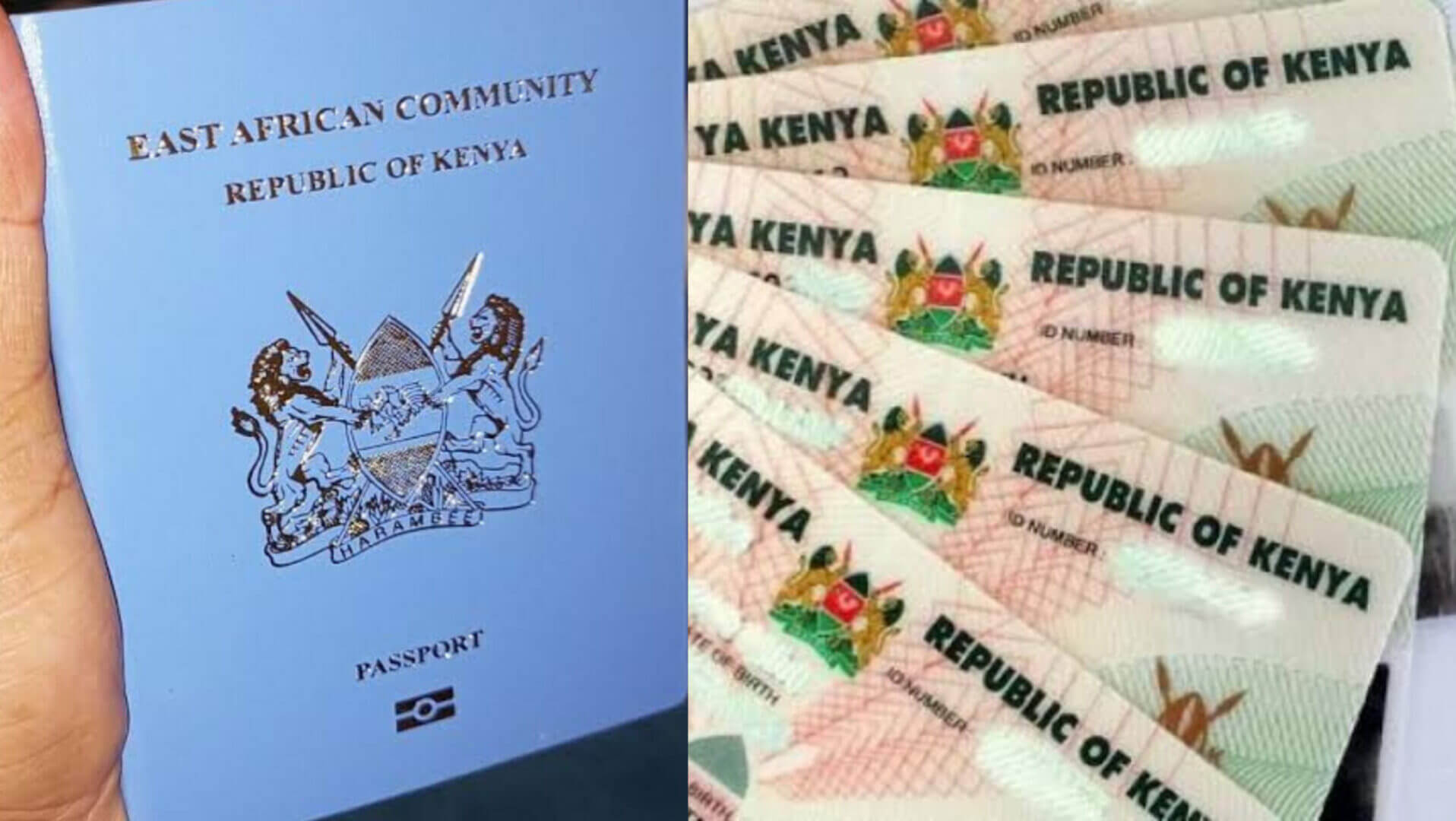
The Kenyan government has launched a process to register Tanzanian women married to Kenyan men in Taita Taveta County, a move that could bring legal recognition and basic civil rights to hundreds of women who have lived in the country, undocumented, for years.
The exercise targets women who crossed into Kenya, and settled in the country through marriage, particularly in the border sub-counties of Taveta and Mwatate, where cross-border unions are common due to cultural and ethnic ties that predate national boundaries.
The Standard, a major newspaper in Kenya, quoted Taita Taveta County Commissioner Josephine Onunga as saying the government aims to issue national identity cards to these women to allow them full participation in civic and economic life.
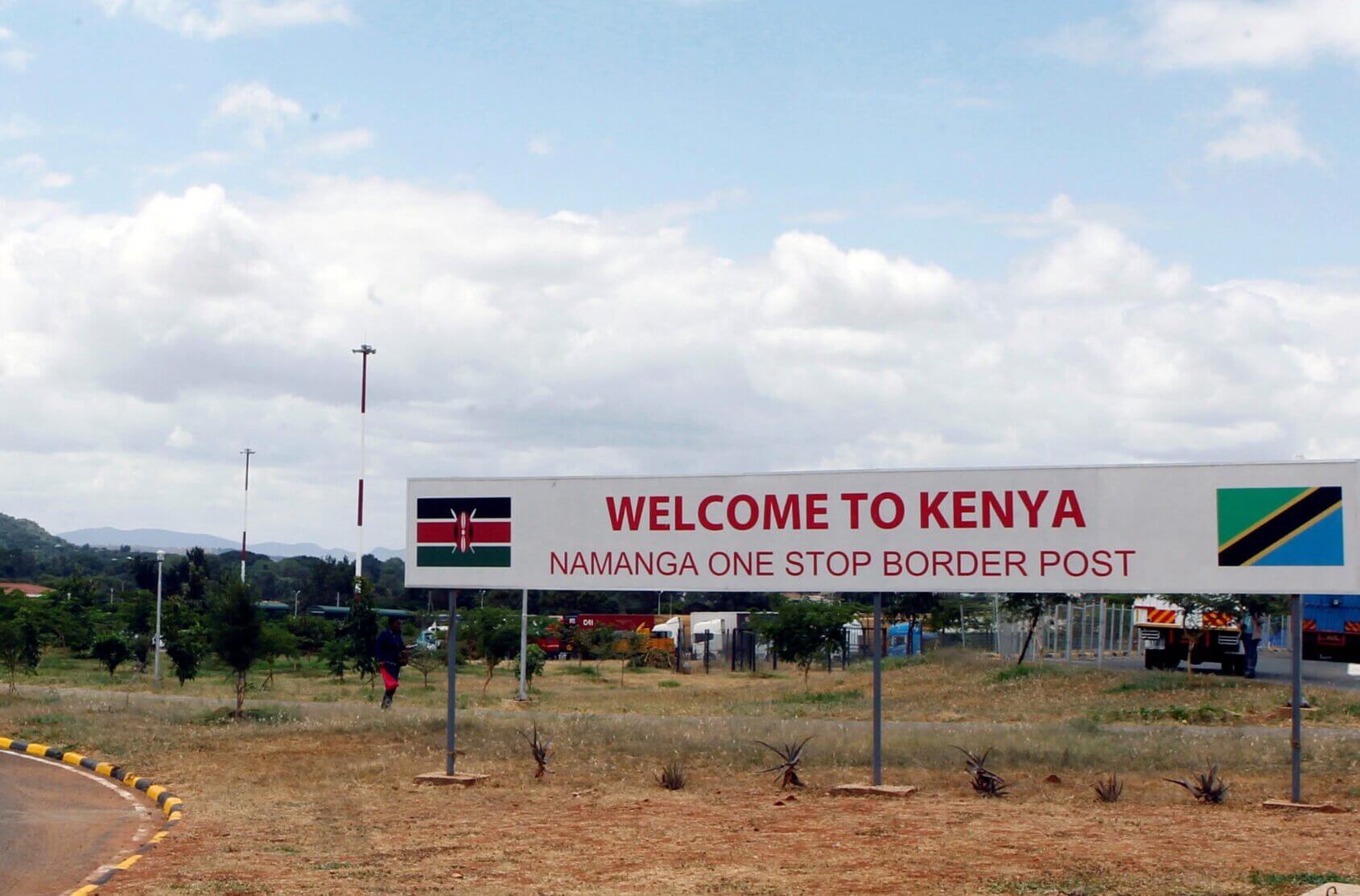
“There are many cross-border marriages that have been taking place in the county that borders Tanzania,” Ms Onunga said, while speaking in Voi. “We are working on programs to make sure that foreign women are documented for the purposes of registration… they will soon be recognised and issued with identity cards.”
The process is being led by officials from the National Government Administration Officers (NGAO) and the Immigration Department.
Treated Like Strangers
For decades, many of these women have lived in Kenya without national documentation, despite being married to Kenyan citizens and raising Kenyan children and grandchildren.
Last year, several of them lodged formal complaints to the county government, citing repeated frustration over their inability to obtain ID cards due to lack of a certificate of registration. The ripple effects are wide-ranging, from economic exclusion to civic invisibility.
“We cannot fully participate in building the economy because we lack the relevant documents,” one Tanzanian-born woman, married in Kenya more than 40 years ago, told officials.
In Mwatate, 68-year-old Joseph Mwandoto says he has spent years trying to help his Tanzanian wife get documented.
“We have grandchildren, but my wife still has no ID,” he said. “We’ve tried registering her in vain. She has lived here all her adult life.”
Growing Numbers
Authorities acknowledge that cross-border marriages are on the rise in the region. At the Kitobo border area, for instance, Chief Yunis Jureji says his location alone is home to over 500 Tanzanian women married to Kenyans.
“Some of these women were married at a very tender age,” Jureji told The Standard. “More women and men are crossing the border to find their better halves.”
Despite these trends, the women remain in legal limbo. Without national IDs, they cannot register mobile lines, open bank accounts, vote, or access essential government services. Many say they feel like outsiders in communities they have helped build for decades.
Political Support
Calls to resolve this long-standing issue have been growing louder.
Former Deputy Governor Majala Mlagui has urged the government to fast-track documentation and ensure that foreign marriages are recognized.
“These women are part of our communities. We must not continue to ignore their plight,” she said.
Meanwhile, another marginalized group, the Pare community, who trace their roots to both Kenya and Tanzania, is also seeking government recognition. Their leaders estimate there are about 15,000 Pare people living in Kenya, mostly in Taveta, and have petitioned the state to recognize them as one of the country’s ethnic communities.
Rama Lukindo, the chair of the group, presented the petition, saying their generations-long presence in Kenya, and their contribution to local life, merit official acknowledgment.







LEAVE A COMMENT
You must be logged in to post a comment.