

|
LISTEN TO THIS THE AFRICANA VOICE ARTICLE NOW
Getting your Trinity Audio player ready...
|
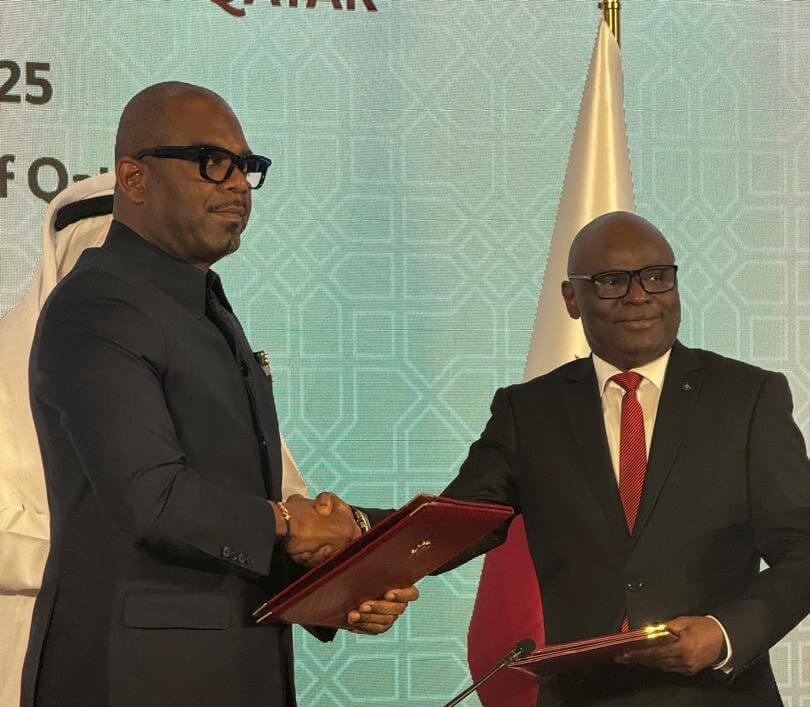
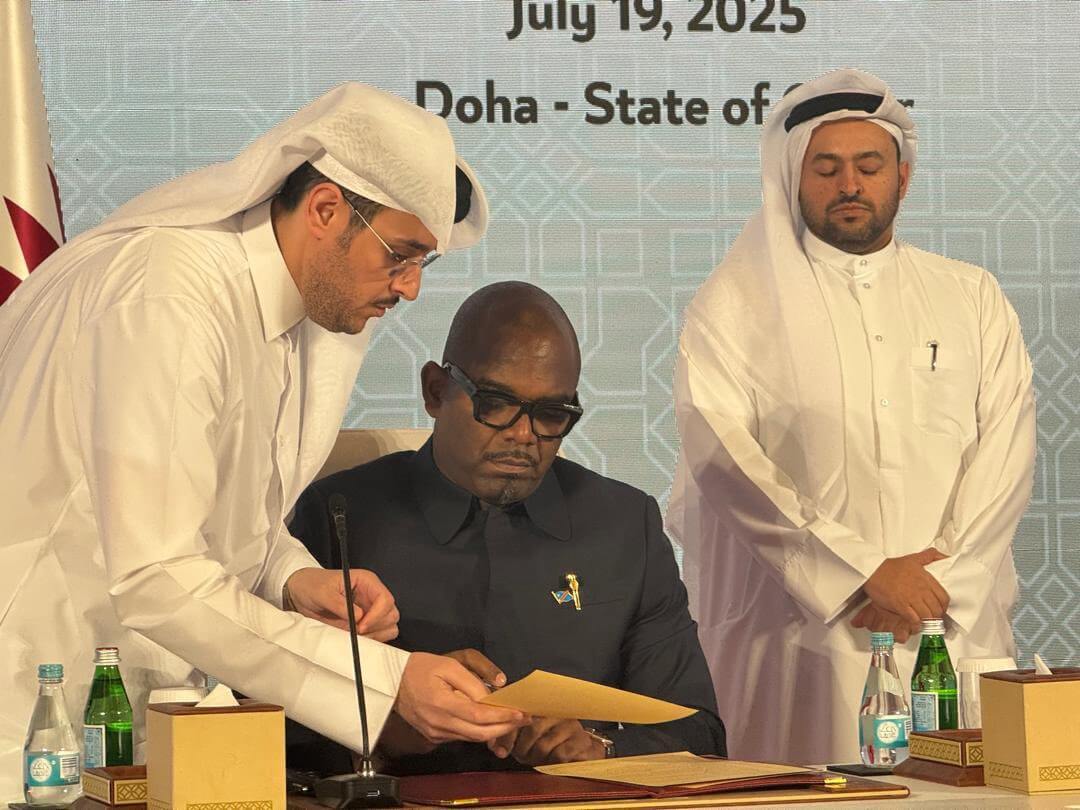
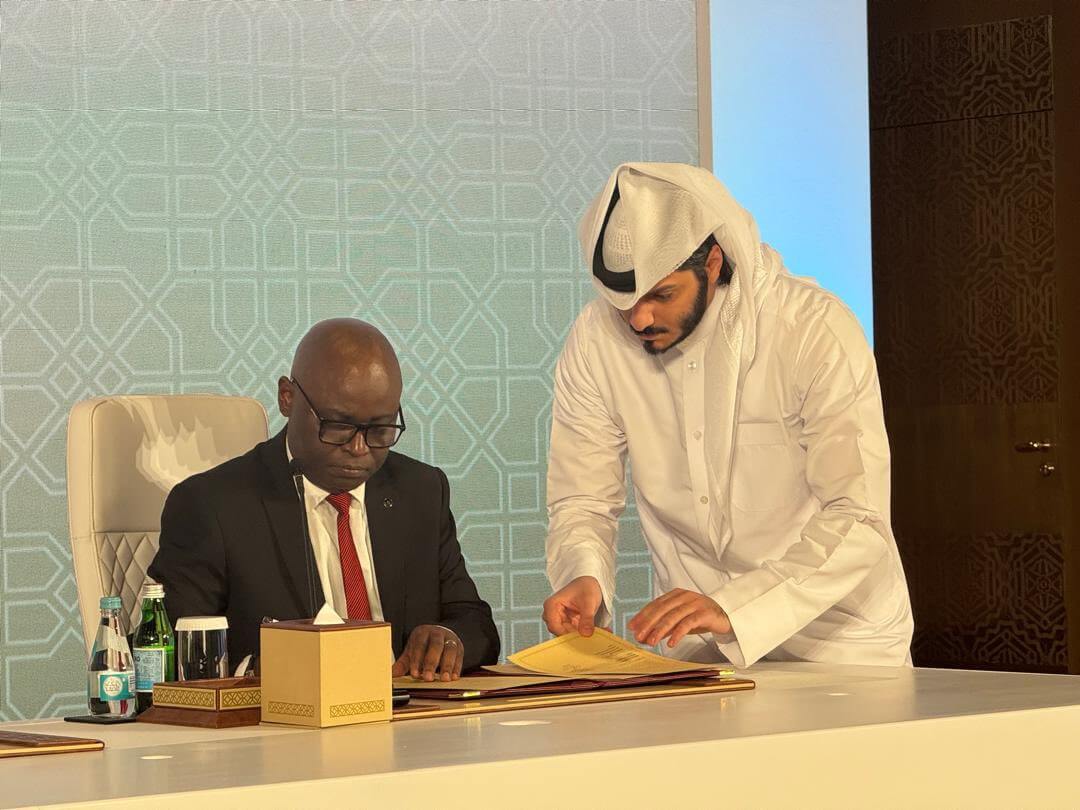
For the first time since fighting reignited at the beginning of the year, representatives from the Democratic Republic of Congo (DRC) and the M23 rebel movement Saturday sat across from each other and signed an agreement to stop the war.
The ceasefire deal, signed on July 19, 2025, in Doha, Qatar, commits both sides to immediately end hostilities, stop inciting violence through propaganda, and avoid grabbing new territory by force. Titled the Declaration of Principles, the document lays the groundwork for a more comprehensive peace agreement scheduled for August 18.
The current deal includes a deadline of July 29 for implementing its terms. It also aligns with a broader US-mediated agreement between the DRC and Rwanda, signed last month, aimed at reducing regional tensions. Rwanda has repeatedly rejected claims that it supports the M23 rebel group, despite longstanding accusations from Kinshasa and independent reports.
An Offensive That ‘Redrew’ the Map of Eastern Congo
The ceasefire follows one of the most devastating escalations in the DRC’s conflict-ridden east in recent years. In a campaign that began earlier this year, M23 fighters took over large sections of eastern Congo, including Goma, Bukavu, and two regional airports.
The humanitarian fallout has been staggering. According to the United Nations, thousands of civilians have been killed and hundreds of thousands displaced by the fighting. M23 contests these figures, putting the number of deaths below 1,000.
DR Congo government spokesperson Patrick Muyaya said Kinshasa’s position, including the “non-negotiable withdrawal” of M23 from captured territories, had been respected in the agreement. But Benjamin Mbonimpa, speaking on behalf of M23 in a video posted online, indicated that the agreement does not contain any clause requiring the group to pull out of the areas it now controls.
The Qatari government, which hosted the negotiations, said talks are expected to continue. The African Union Commission, one of the organizations backing the process, described the signing as a “milestone” for peace and security in the Great Lakes region. A key provision of the agreement is the restoration of state authority in eastern Congo, which for years has remained under the control of rebel forces and armed groups.
A Pattern of Agreements That Don’t Last
This is not the first attempt to settle the conflict. The M23 group itself was born out of a failed peace deal signed in 2009, which promised integration of rebel fighters into the Congolese army and political inclusion — promises the government failed to deliver. The group first gained international attention in 2012 when it briefly seized Goma before being driven out the following year. Since then, sporadic attempts to end the conflict have broken down repeatedly.
In March 2025, Congolese President Félix Tshisekedi and Rwandan President Paul Kagame met in Qatar and called for an immediate halt to the violence. In April, the DRC and M23 agreed to a Qatari-brokered ceasefire, but that too collapsed, with fighting continuing almost immediately on the ground.
USA’s Quiet Hand, and the Mineral Question
The latest momentum came in June, when the United States mediated a deal between the DRC and Rwanda. But that effort drew criticism, with some observers questioning the US government’s motives, particularly given Washington’s growing interest in Congo’s vast mineral reserves. President Donald Trump praised the deal publicly and has reportedly expressed interest in hosting Kagame and Tshisekedi in Washington, although no date for that meeting has been confirmed.
Following the Doha signing, Massad Boulos, the US Senior Advisor for Africa, said the declaration represented “a significant step” toward lasting peace. He praised Qatar’s role in the process and called for continued progress toward inclusive governance, restoration of state authority, and the return of displaced people to their homes.
The Rwandan government also welcomed the deal, calling it “a significant step forward” toward a broader peace agreement. A statement released in Kigali acknowledged Qatar’s mediation and the roles played by the African Union, East African Community, and the Southern African Development Community (SADC). Rwanda reiterated its commitment to stability and economic development in the Great Lakes region.
World Responds to Ceasefire With Measured Optimism
The UN’s peacekeeping mission in the DRC, MONUSCO, joined other international actors in endorsing the agreement. “This important declaration marks a shift toward easing tensions and protecting civilians gravely affected by the conflict,” said Bruno Lemarquis, the Deputy Special Representative of the UN Secretary-General and Acting Head of MONUSCO.
MONUSCO welcomed the commitment by both parties to establish a joint ceasefire monitoring mechanism, to allow the safe and dignified return of refugees and internally displaced people, and to restore state authority. It urged both sides to honor the terms of the deal in good faith, and to prioritize human rights and the safety of Congolese civilians.
French President Emmanuel Macron also issued a statement, describing the declaration as an important development. “For the Congolese people and the Great Lakes region, the peace dynamic is recreating hope and confidence,” Macron said. He added that France would continue to support peacebuilding efforts in the region.



LEAVE A COMMENT
You must be logged in to post a comment.