

|
LISTEN TO THIS THE AFRICANA VOICE ARTICLE NOW
Getting your Trinity Audio player ready...
|
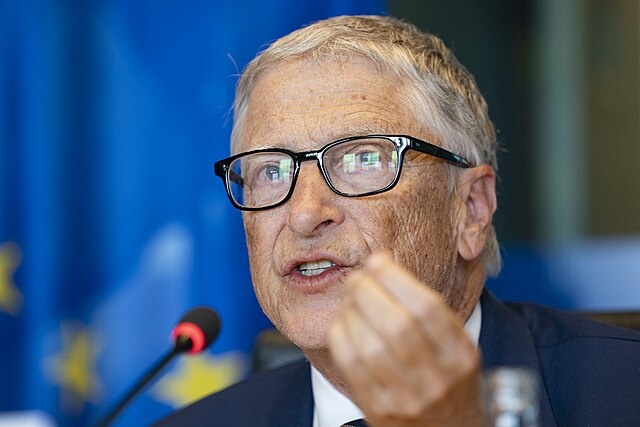
Following our Feb. 16, 2026, article, we have received a response from the Gates Foundation addressing questions about its ties to Jeffrey Epstein and the implications for its work in Africa.
We are publishing the response received on March 3, 2026, in the interest of fairness and transparency.
READ OUR ORIGINAL ARTICLE: After the Epstein Files, Bill Gates Owes Africa Answers
The Foundation’s Statement
In its response, the foundation emphasized that its programs in Africa are conducted in partnership with governments, institutions, and communities.
“Our work is subject to the laws and regulatory oversight of our partner countries, and all programs require the informed consent and active participation of those involved,” the foundation said.
It added that its governance structures are designed to ensure decisions are guided by evidence, partner input, and its mission to reduce inequity.
The foundation also pointed to publicly available information about its grantmaking and said its programs are regularly evaluated.
Addressing Epstein directly, the foundation reiterated that no collaboration, funding arrangement, or payment resulted from interactions with him.
“The Gates Foundation’s programs in Africa are developed and implemented in partnership with African governments, institutions, and communities,” the statement said. “Our focus remains on supporting African-led efforts that have delivered measurable progress in reducing child mortality, expanding vaccine access, and strengthening health systems across the continent.”
What the Response Clarifies
The foundation’s response provides clarity on several fronts.
It affirms that programs require informed consent, emphasizes legal and regulatory oversight, and reiterates that no financial relationship existed with Epstein.
Those are important assurances.
But they only speak to process.
What the Response Does Not Address
The foundation’s reply stops short of addressing the core questions raised in Africana Voice’s original reporting.
Key gaps remain:
- Whether Bill Gates was ever subject to coercion, reputational pressure, or leverage tied to his association with Epstein.
- Whether any Epstein-linked interactions intersected with decisions affecting African programs.
- Whether the foundation will publish detailed African grant agreements or governance frameworks for independent scrutiny.
- How the foundation plans to confront the growing spread of conspiracy theories in Africa that risk undermining public health efforts.
These gaps matter, given the scale and reach of the foundation’s influence across the continent.
Africa’s Stakes Are Unique
Africa is central to the foundation’s mission.
Its 2045 goals, ending preventable maternal and child deaths, eliminating deadly infectious diseases, and reducing poverty, depend heavily on African partnerships.
That reliance creates both opportunity and responsibility.
When influence reaches this scale, questions about governance are not peripheral. They are foundational.
Why the Questions Persist
Africana Voice’s initial inquiry focused on whether private risk could translate into public consequence.
There is no evidence that African governments were pressured into unfavorable agreements. There is no evidence that Gates’ association with Epstein affected the foundation’s programs.
Still, Epstein’s documented pattern of cultivating relationships with powerful individuals raises legitimate questions about the safeguards in place.
The foundation’s response explains how its systems are designed to work.
It does not address whether those systems were ever tested by external influence.
Trust, Transparency, and What Comes Next
The Gates Foundation has played a significant role in improving health outcomes across Africa. That record stands.
At the same time, public confidence is not sustained solely by outcomes. It is reinforced by transparency, especially when controversies emerge.
Conspiracy theories about the foundation’s work, including claims involving agriculture and mosquito-control programs, continue to circulate despite a lack of credible evidence.
In that environment, silence or partial answers can deepen skepticism.
The foundation has now responded.
Africa is still waiting for full clarity.






LEAVE A COMMENT
You must be logged in to post a comment.