

|
LISTEN TO THIS THE AFRICANA VOICE ARTICLE NOW
Getting your Trinity Audio player ready...
|
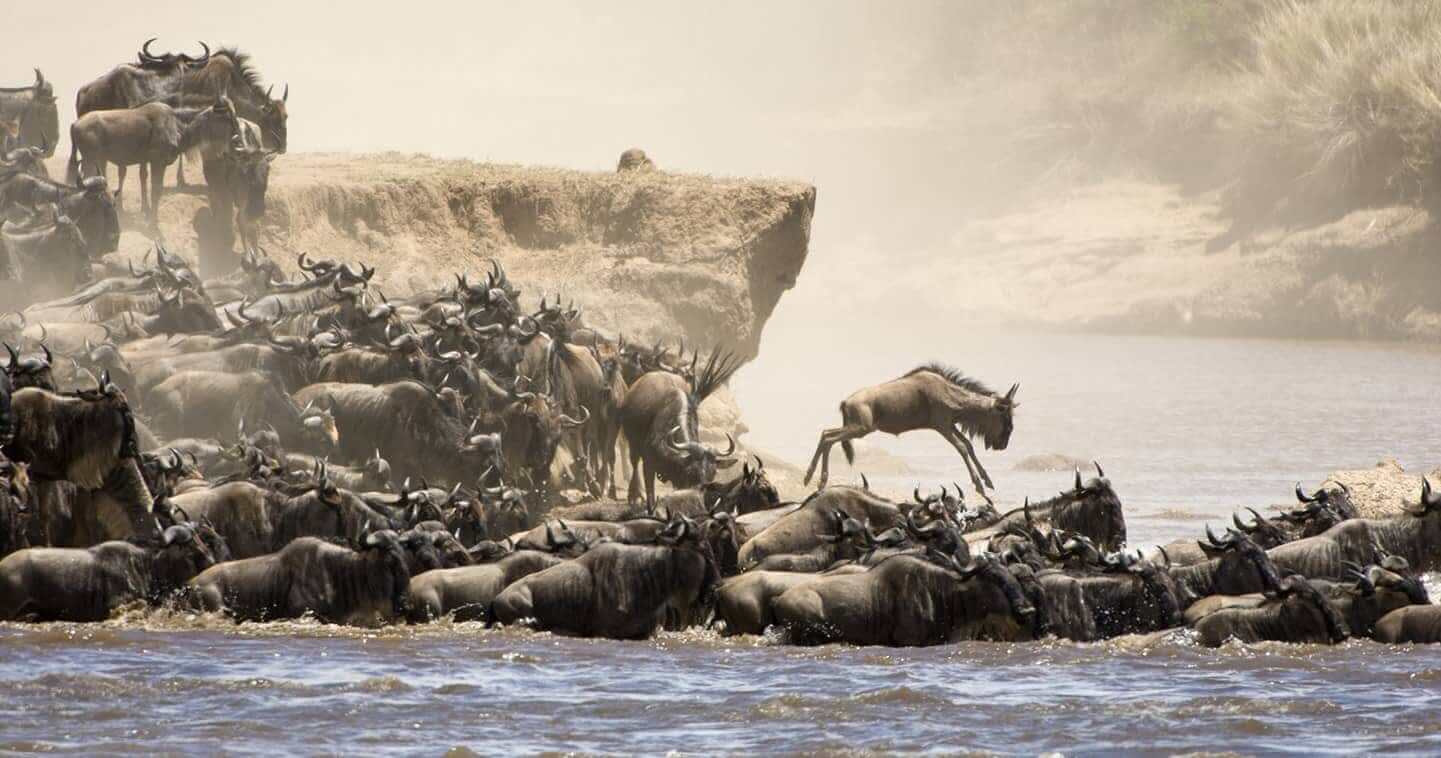
Kenya’s Maasai Mara National Reserve has been officially listed in the World Book of Records as the site of the “World’s Greatest Annual Terrestrial Wildlife Migration”, a distinction that cements the reserve’s reputation as one of the world’s most iconic natural landscapes.
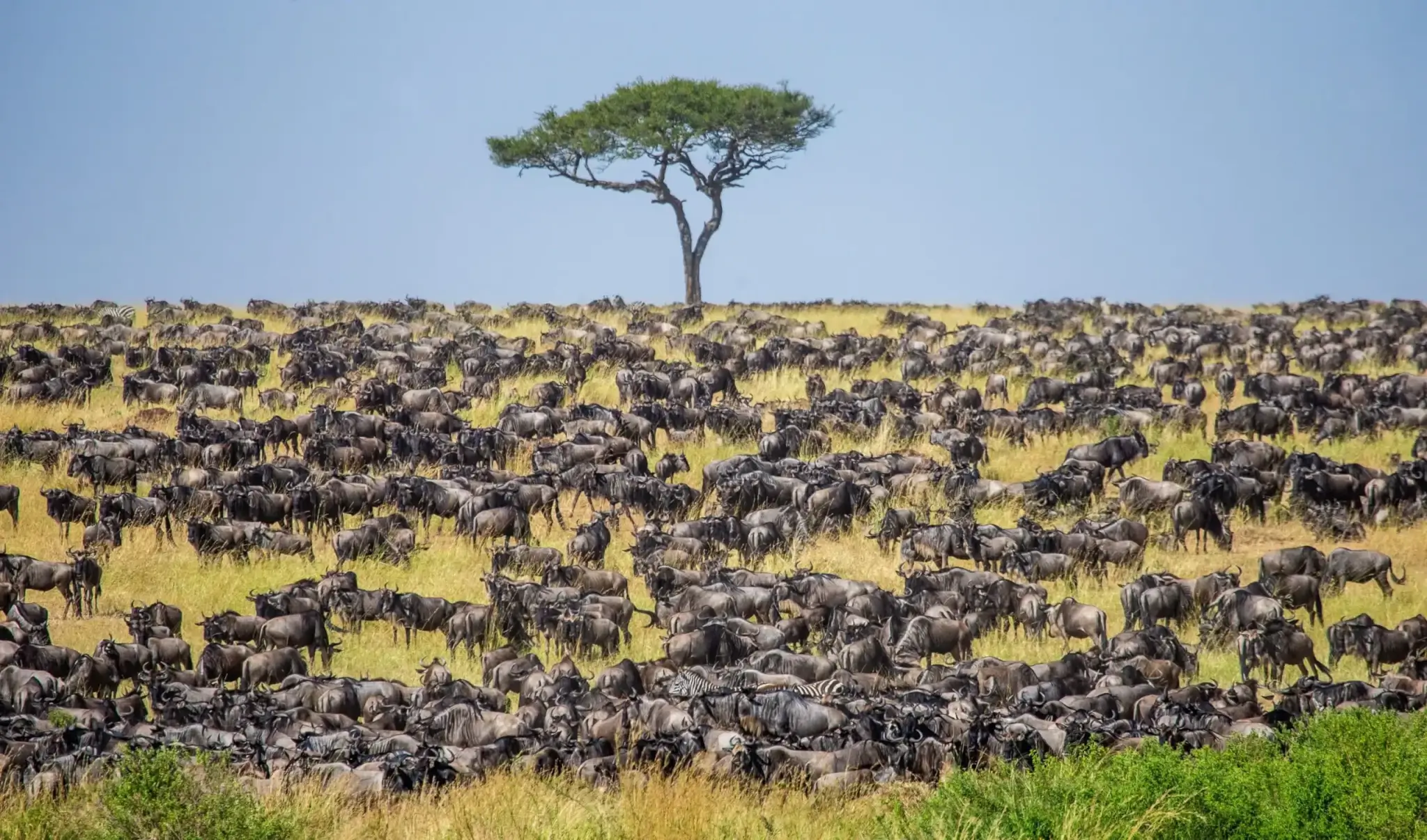
In a formal communication dated July 15, 2025, and addressed to Narok Governor Patrick Keturet Ole Ntutu, the World Book of Records described the Mara as the host of the largest and most dramatic land-based animal migration on Earth; featuring more than 1.5 million wildebeests, zebras, and antelopes that traverse the Serengeti-Mara ecosystem every year in search of pasture and water.
“This remarkable recognition honors the ecological significance of the Maasai Mara and highlights Kenya’s exceptional contribution to wildlife conservation, global biodiversity, and sustainable eco-tourism,” the letter from World Book of Records President Santosh Shukla reads.
The organization has proposed to present the official world record certificate on-site at the reserve and is coordinating with the Narok County Government to set a date for the ceremony.
A Conservation Milestone
Governor Ntutu welcomed the news with a celebratory post on his official X account, linking the recognition to ongoing reforms by his administration since he assumed office two and a half years ago.
“We launched an ambitious campaign to restructure and revitalize the Maasai Mara National Reserve,” he said. “Some of the interventions include the enactment of management plans, equipping our rangers, constructing internal roads, and introducing technology-driven conservation initiatives.”
Ntutu described the recognition as an honor for Narok County, and a national milestone for Kenya.
“This global accolade highlights the unparalleled ecological significance of the Greater Maasai Mara Ecosystem, which harbours over 25 percent of Kenya’s biodiversity,” he said. “The migration is more than just a spectacle; it is a vital ecological process. As the herds arrive in Kenya, they come to mate and graze, making our country an essential link in the continuity of this extraordinary natural phenomenon.”
A Major Win for Kenya
The announcement drew applause from senior government officials, including Korir Sing’Oei, Kenya’s Principal Secretary for Foreign Affairs, who described the listing as “a rare and highly valued accomplishment.”
Kenya’s Cabinet Secretary for Tourism, Rebecca Miano, also welcomed the honor, calling it a historic moment for the country’s tourism and conservation sectors.
“This recognition is a historic milestone for Kenya and a moment of immense pride for our nation,” Miano said in a statement. “It reaffirms what we have always known—the Maasai Mara is truly a natural wonder of the world.”
Miano credited the achievement to collaborative efforts between national leadership, local government, and surrounding communities, and thanked President William Ruto for his support and commitment to conservation-led tourism.
“Your efforts have ensured that the Maasai Mara remains one of the planet’s most vital wildlife corridors,” she said. “This recognition elevates Kenya’s position as a premier sustainable tourism destination at a time when global travelers are seeking authentic, nature-based experiences.”
The Migration
Each year, the Great Migration sees massive herds of wildebeests, zebras, and gazelles move across the plains of Tanzania’s Serengeti into Kenya’s Maasai Mara, navigating predators, swollen rivers, and dry terrain in a high-stakes search for food and water. The river crossings, especially across the crocodile-infested Mara River, are among the most dramatic wildlife spectacles on Earth.
Besides the migration being a visual wonder, it is a crucial ecological event that supports predator-prey dynamics, fertilizes the land, and sustains one of the world’s most diverse grassland ecosystems.
The Mara ecosystem is also home to the “Big Five”; lions, leopards, elephants, buffaloes, and rhinos, and supports over 400 bird species, making it a hotspot for scientific research, wildlife photography, and global tourism.
About the World Book of Records
The World Book of Records, headquartered in the United Kingdom, is an international organization that catalogs and certifies world-standard achievements and extraordinary events. Since its launch in 2017, it has expanded across Europe, North America, South America, Africa, Asia, and Australia.
Its mission includes authentic certification, record verification, and the celebration of institutions, individuals, and phenomena that meet global standards of excellence. The recognition of the Maasai Mara is based on the scale and ecological value of the Great Migration.
In its public documentation, the organization credited its global reach to a wide network of adjudicators, researchers, and volunteers who vet and document record-worthy events around the world.
The certificate presentation ceremony is expected to be held at the Maasai Mara Reserve, with details to be announced by the Narok County Government.
Governor Ntutu used the moment to welcome the world to the Mara. “This recognition is a proud moment for Kenya, for Narok County, for our conservation partners, and for all who cherish the Maasai Mara. We extend a warm invitation to the world—come and witness this marvel of nature with us.”










LEAVE A COMMENT
You must be logged in to post a comment.