

|
LISTEN TO THIS THE AFRICANA VOICE ARTICLE NOW
Getting your Trinity Audio player ready...
|
Most Kenyans first experienced the power of the Jowi call when mourners and Raila Odinga’s supporters stormed the Jomo Kenyatta International Airport, turning it into a festival ground. They overwhelmed security, leaped past barricades, waved branches, and zoomed onto the tarmac on boda bodas to welcome his remains aboard RAO-001 from India.
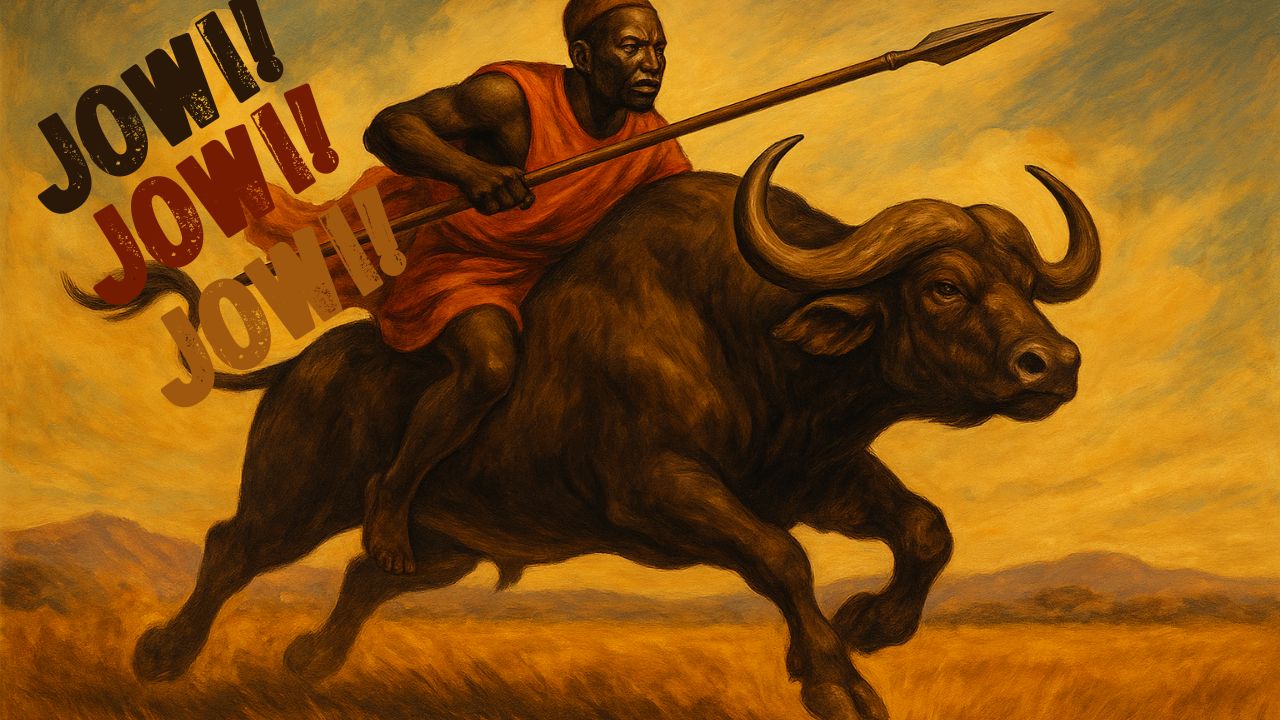
Jowi! chants are fierce, raw, and untamed. When the crowd roared “Jowi! Jowi! Jowi!” the sound rose like a storm, rhythmic and reverent. It was not just a chant, but history speaking. It was the soul of a people mourning their elder, their son, and warrior.
A Cry with Ancient Roots
Among the Luo, “Jowi” means buffalo, a creature known for its fearlessness, power, and unity. In the face of danger, the buffalo does not flee. It charges forward. That same spirit animates the Luo cry of “Jowi!” when a leader or warrior dies.
The chant is both a lament and a battle cry, a declaration that even in grief, the living must stand firm. To the Luo, death is not quiet surrender; it is a confrontation with unseen dark forces. When death strikes, the people respond not with silence but with a thunderous chorus that defies loss.
Raila Odinga: The Elder and the Warrior
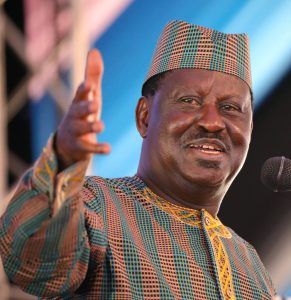
Raila, long seen as a political giant and patriarch, embodied the traits that the buffalo symbolizes. Through decades of struggle, detention, exile, betrayal, and resistance, he stood as the unwavering fighter for justice and dignity.
In the Luo tradition, such a man is not simply mourned. He is honored as a jaduong, an elder, and as a warrior whose spirit joins the ancestors. The chant “Jowi! Jowi! Jowi!” at his funeral was both farewell and salute, a recognition that Raila’s courage will not die with him.
Mourning as Strength
To those unfamiliar with Luo customs, the intensity of “Jowi!” may seem startling. But for the Luo, mourning is an act of courage. The cry turns sorrow into solidarity. It reminds the community that even in death, their identity endures.
Much like the Māori Haka of New Zealand, the Jowi chant is both performance and proclamation. The Haka rallies warriors, channels emotion, and affirms unity before battle or in mourning. The Jowi call serves a similar purpose for the Luo, transforming grief into power, summoning courage, and binding the living to their ancestors. Both rituals, though worlds apart, speak the same human language of defiance and dignity in the face of loss.
In that moment at Raila’s funeral, thousands became one voice, fierce, united, unbroken. It was a scene that transcended politics, a convergence of faith, history, and identity.
The Call to Courage
Luos are called to navigate life as buffaloes, brave, excellent, unrelenting, and dignified. A man’s worth is measured not by what he possesses, but by how he endures adversity. Even in the face of loss, he must hold himself with integrity, protecting his family and community with courage.
The “Jowi!” cry, therefore, is not only for the dead. It is a summons to the living, a reminder that strength must be renewed, that men must rise to carry the mantle of those who have fallen.
A Legacy that Lives
As the final echoes of “Jowi!” faded over the hills of Bondo, what remained was not despair but resolve. Raila’s people had mourned him the only way they knew how, loudly, proudly, and together.
The buffalo had charged once more. And though the elder had fallen, his spirit, like the chant itself, would keep charging forward, echoing through generations yet to come.

LEAVE A COMMENT
You must be logged in to post a comment.