

|
LISTEN TO THIS THE AFRICANA VOICE ARTICLE NOW
Getting your Trinity Audio player ready...
|
On September 5, 2025, FIFA made a move it has long been accused of avoiding. The governing body of world football unveiled a new Players’ Voice Panel, a team of 16 former footballers drawn from across six continents, tasked with advising on strategies to confront racism in the sport.
Among them are two names that resonate deeply on the African continent: George Weah and Didier Drogba. Weah, the only African to ever win the Ballon d’Or, and a former president of Liberia, has been appointed honorary captain of the panel. Drogba, the Ivorian striker whose goals lit up the English Premier League and whose voice once helped calm civil conflict in his homeland, is one of the most recognisable faces of the initiative.
For Africa, their presence on this body is a pointer that the battle against racism in football is lived history for players of African descent, many of whom endured vile abuse on the pitch and in the stands during their careers.
A familiar story of abuse
From the terraces of Europe to the anonymous world of social media, racism has clung stubbornly to the world’s most popular sport. In recent years, the incidents have been depressingly familiar. In Spain, Real Madrid’s Vinícius Júnior has become a repeated target, sparking protests and legal cases. In England, the fallout from the Euro 2020 final, when Black England players Marcus Rashford, Bukayo Saka, and Jadon Sancho were deluged with racist abuse after missed penalties, revealed the depth of the problem. Only last month, Bournemouth’s Ghanaian forward Antoine Semenyo was racially abused during a Premier League game at Anfield, leading to an arrest.
These are only the high-profile cases. Countless others unfold at lower levels of the game, in stadiums far from television cameras, or in the unpoliced expanses of online platforms. Campaigns such as “Kick It Out” in England or “Say No to Racism” in UEFA competitions have raised awareness, but critics argue that enforcement has been weak. Fines and stadium closures have too often been symbolic rather than transformative.
Against this backdrop, FIFA’s creation of a players’ panel marks a shift. For the first time, the organisation is formally giving retired footballers a structured role in shaping anti-racism work, rather than keeping such discussions within committees of administrators.
George Weah’s leadership
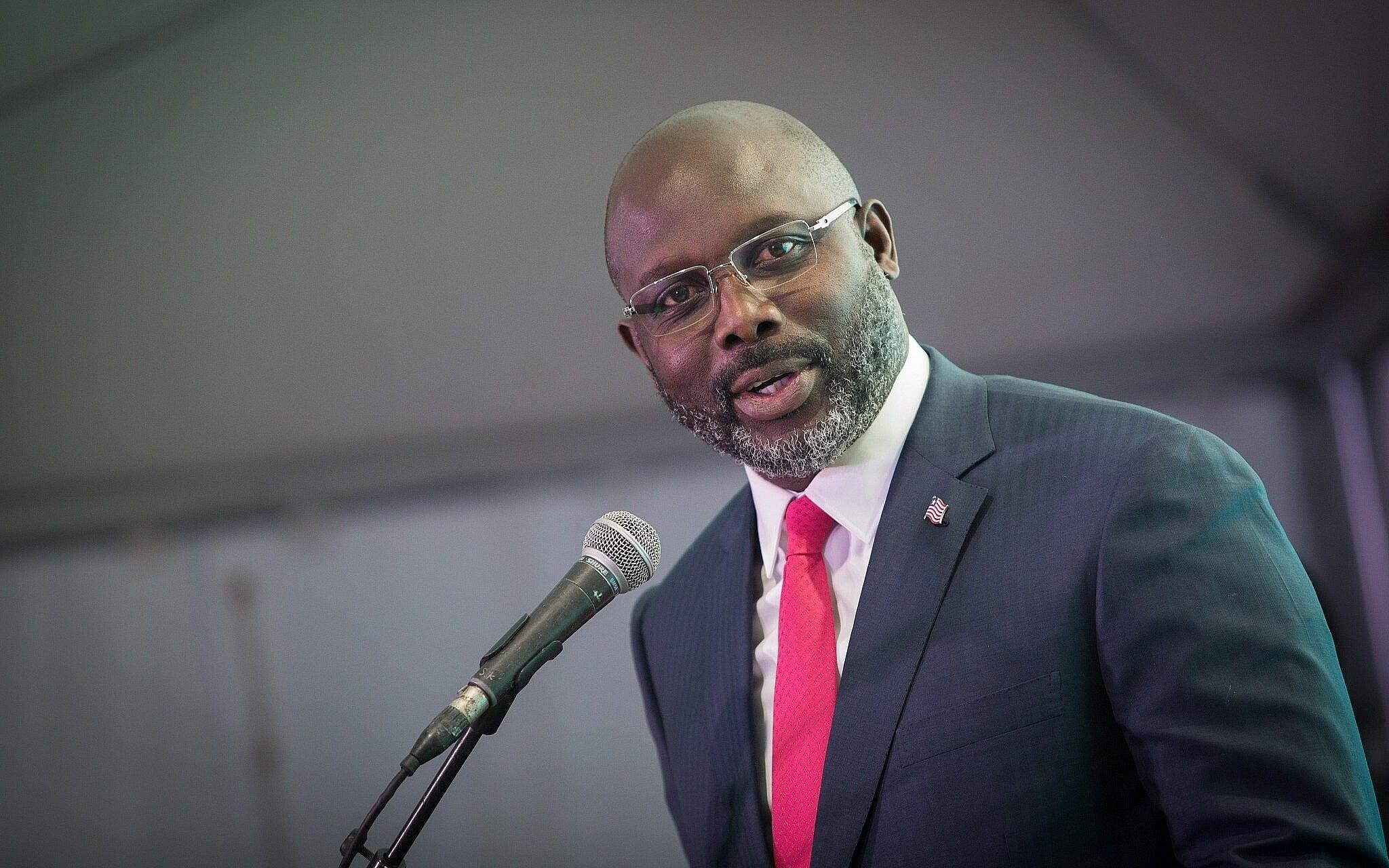
Naming George Weah as honorary captain of the group carries layers of meaning. Weah’s career embodied both triumph and resilience. Born in Monrovia, Liberia, he rose from the slums of Clara Town to become one of football’s greatest strikers, playing for AC Milan and Paris Saint-Germain before lifting the Ballon d’Or in 1995. His later journey into politics culminated in his election as president of Liberia in 2017, a role he held until early 2024.
“Football brings unity and development. It also enhances humanity,” Weah said in accepting his new role. “I will always exert all efforts, as I have done in the past and continue to do, to promote the sport because football is life.”
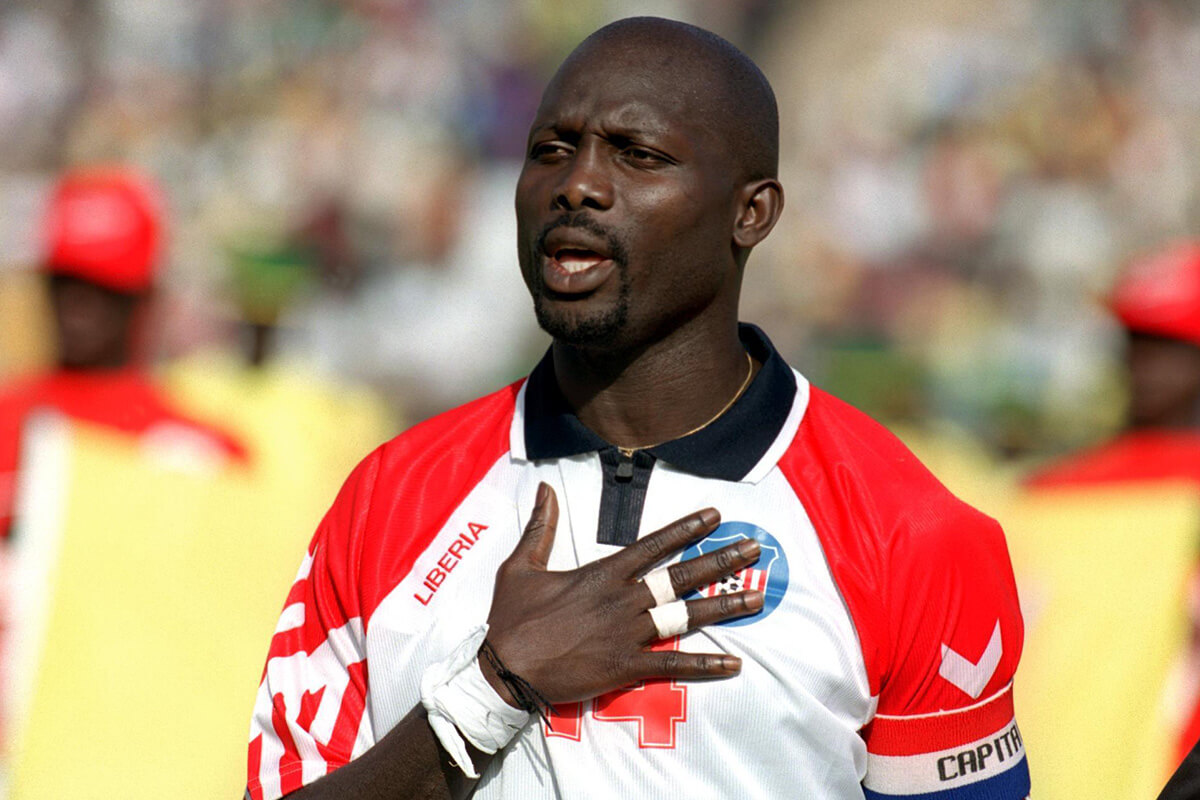
It was a statement that captured both the personal and the political: football as a force that can heal, and football as a reminder of humanity’s divisions.
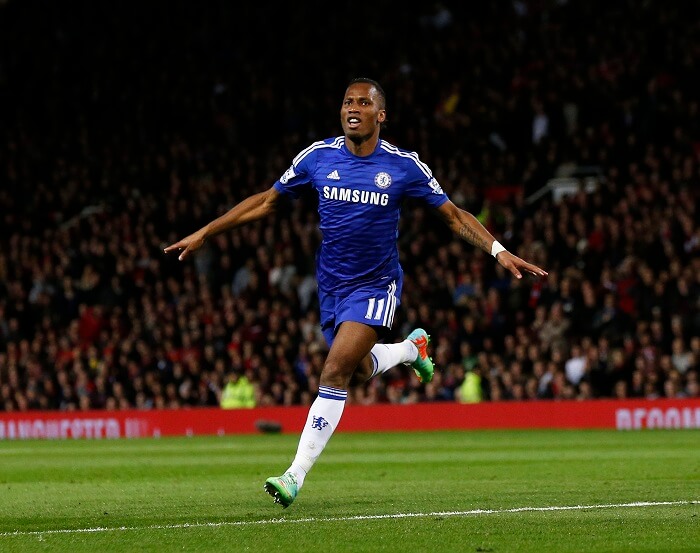
Alongside Weah is Didier Drogba, whose influence extends beyond his 164 goals for Chelsea. In 2005, as Ivory Coast stood on the brink of civil war, Drogba used his stature to call for peace, famously urging armed groups to lay down their weapons. His presence on FIFA’s panel signals a recognition that the fight against racism is not only about what happens on the pitch but also about football’s wider role in fractured societies.
Drogba is joined by other African voices: Emmanuel Adebayor of Togo, Mercy Akide of Nigeria, and Khalilou Fadiga of Senegal.
A global line-up
The full list underlines FIFA’s attempt at global reach. Alongside the African representatives are names like Formiga of Brazil, a veteran of seven World Cups; Blaise Matuidi, part of France’s 2018 World Cup-winning squad; Aya Miyama of Japan; Briana Scurry, a pioneer for women’s football in the United States; and Juan Pablo Sorín, who once captained Argentina.
The panel is deliberately diverse: men and women, World Cup winners and players from less celebrated footballing nations. In FIFA’s framing, this is not about creating another ceremonial committee but about ensuring that those who lived through discrimination can shape how the sport confronts it.
FIFA president Gianni Infantino presented the initiative as a cultural reset. “They will further push for a shift in football culture, making sure measures to counter racism are not just talked about, but actioned, both on and off the pitch,” he said. “Let’s be clear on this: racism and discrimination are not simply wrong – they are crimes.”
The words were strong, but critics will be watching for action. FIFA’s disciplinary record on racism has long been patchy, with sanctions varying wildly between countries and competitions. The new panel’s credibility will depend on whether its advice is taken seriously and translated into binding policies.

LEAVE A COMMENT
You must be logged in to post a comment.