

|
LISTEN TO THIS THE AFRICANA VOICE ARTICLE NOW
Getting your Trinity Audio player ready...
|
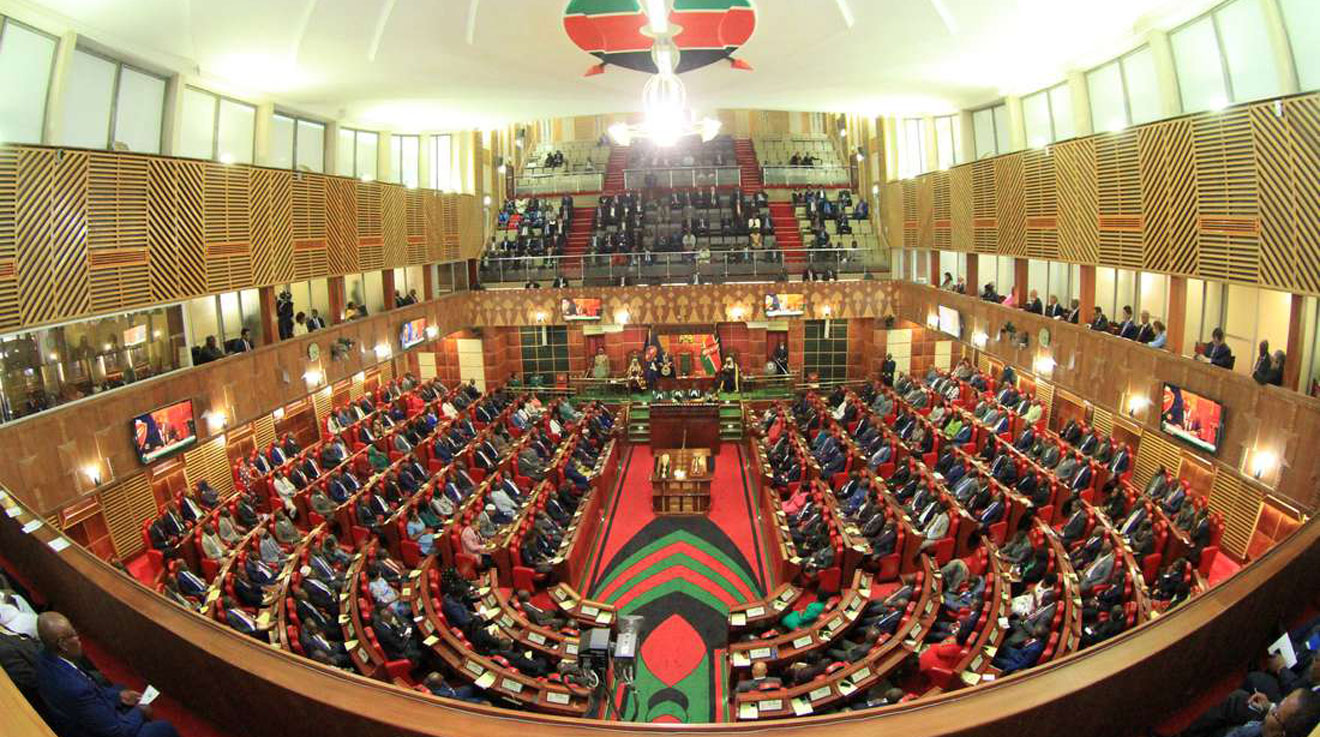
More than half of Kenya’s current Members of Parliament are likely to lose their seats in the 2027 General Election, and that reality is reigniting intense debate over how lawmakers should be supported financially and medically once they leave public office, the Speaker of the National Assembly, Moses Wetang’ula, has said.
The warning comes against the backdrop of a 56 per cent attrition rate revealed in an actuarial report presented to a parliamentary pensions committee, a finding that illustrates just how many legislators may confront a sharp drop in income after serving in Parliament.
What the Actuarial Report Shows
During a 2026 Legislative Retreat of the National Assembly in Nakuru County, Speaker Wetang’ula outlined the actuarial findings, noting that at least 56 per cent of sitting MPs are unlikely to be re-elected in 2027. These figures were based on historical patterns of electoral turnover and internal analysis by pension actuaries advising Parliament’s pensions committee.
“As we sit here, at least 56 per cent will not see the inside of Parliament next election,” Wetang’ula said Tuesday, January 27, adding that this high turnover raises the need for robust planning around life after public office.
Kenya’s Parliamentary Pensions Act, the law that governs retirement benefits for lawmakers, only entitles MPs to a lifelong monthly pension if they have served at least two full terms and reached the age of 45.Under the law, a former MP with two complete terms and age eligibility qualifies for a pension calculated on their service.
In addition, those who serve less than two terms are not entitled to a monthly pension but receive a refund of contributions and interest, along with a gratuity at the end of their service.
Why the Pension Framework Matters
At present, the minimum monthly pension for eligible former MPs is roughly Sh125,000 (about USD 1000), though the exact figure can vary with yearly adjustments.
For lawmakers who serve only one term, this legal framework means a significant drop in post‑service income. Many first‑term MPs face what analysts call a “cliff” in earnings when they leave office, losing regular parliamentary remuneration without a stable pension stream.
Former MPs and some sitting legislators have long criticised this structure, arguing it unfairly disadvantages those who serve shorter periods despite years of public service. At the centre of the debate are pension amendment proposals that have been drafted in recent years but have not yet been adopted into law.





LEAVE A COMMENT
You must be logged in to post a comment.