

|
LISTEN TO THIS THE AFRICANA VOICE ARTICLE NOW
Getting your Trinity Audio player ready...
|
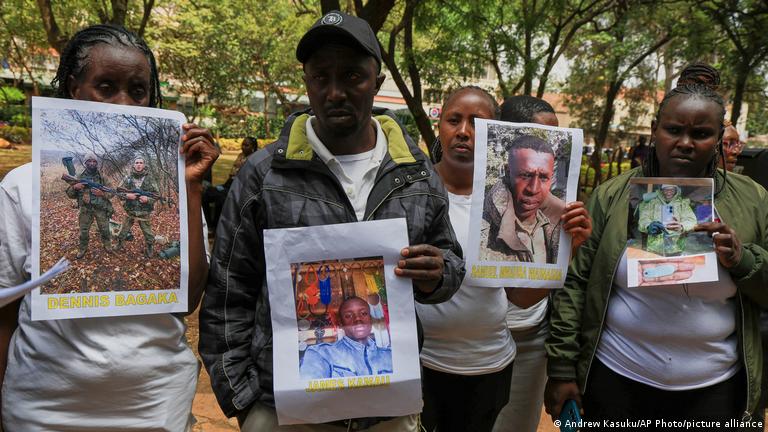
In Nairobi, the scale of Kenya’s involvement in the Russia–Ukraine war has come into sharp focus. According to a report submitted to parliament on February 18, 2026, by the National Intelligence Service (NIS), 1,000 Kenyans have been recruited to fight for Russia, with 89 confirmed on the frontlines. At least one has died, while others have returned home injured or traumatised.
“This is deeply disturbing,” said parliament majority leader Kimani Ichung’wah, presenting the intelligence findings. “They are told you are going to work as a guard… only to get there and you are taken to military camps. You’ve only trained for three weeks. They are basically just given a gun to go and die.”
The NIS report detailed a network of rogue state officials and human trafficking syndicates allegedly colluding to transport Kenyans to Russia. Recruitment agencies were said to work with rogue airport staff, immigration officers, DCI officers, anti-narcotics personnel, and officials from the National Employment Authority. Even staff at the Russian embassy in Nairobi and the Kenyan embassy in Moscow were reportedly implicated in facilitating visas.
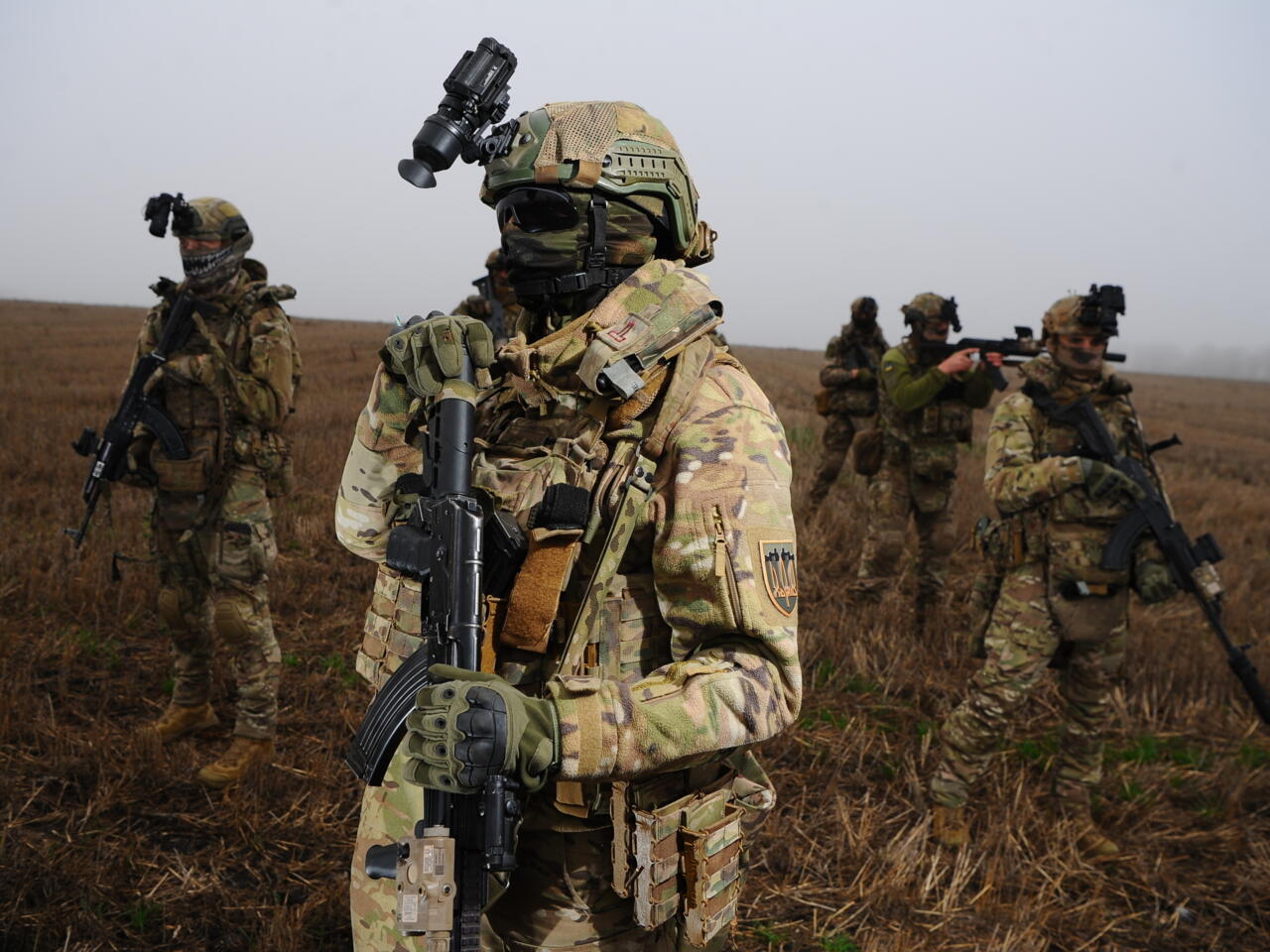
Recruits, mostly unemployed Kenyans, ex-military personnel, and former police officers aged between 20 and 50, were promised monthly pay of up to KSh 350,000 ($2,400), with bonuses ranging from KSh 900,000 to KSh 1.2 million ($6,200–$8,300). But upon arrival, many were deployed to frontline combat after only minimal military training. Explosives and weapons instruction reportedly lasted as little as nine days before recruits were sent into active combat zones.
Initial departures from Jomo Kenyatta International Airport (JKIA) used tourist visas and routed through Turkey and the UAE. With heightened airport surveillance, traffickers reportedly shifted routes through South Africa, Uganda, and other neighbouring states. The report said that several suspects, including an alleged mastermind, remain under investigation, while authorities are seeking to rescue Kenyans still caught in the conflict.
On February 25, 2026, the Directorate of Criminal Investigations (DCI) announced the arrest of 33-year-old Festus Arasa Omwamba, a suspected key player in a wider human trafficking network. “Festus is believed to be a key player in a more extensive human trafficking syndicate that exploits vulnerable individuals by promising legitimate employment opportunities in European countries,” the DCI said. “However, upon arrival, these unsuspecting victims find themselves trapped in illegal and perilous jobs, stripping them of their dignity and safety.”
The Kenyan government has taken steps to curb recruitment. Foreign Minister Musalia Mudavadi told the BBC that more than 600 recruitment agencies suspected of duping Kenyans had been shut down. He added that 27 Kenyans had been repatriated from Russia and were receiving psychological care to address trauma.
Kenya has also engaged diplomatically. On February 20, Principal Secretary for Foreign Affairs Korir Sing’oei met with the Russian Ambassador, Vsevolod Tkachenko, to demand “unimpeded consular access” and protocols for repatriating both prisoners of war and the remains of deceased citizens. “Our priority remains the safety and dignity of every Kenyan abroad,” Sing’oei said.
A Continental Pattern
Kenya is not alone. On the same day as the DCI announcement, Ukraine’s Foreign Minister Andrii Sybiha said more than 1,700 Africans were fighting for Russia. “According to our data, there are currently over 1,780 citizens from the African continent fighting in the Russian army,” Sybiha said, noting that the fighters came from 36 countries. He added that discussions were ongoing with African governments to prevent citizens from being drawn into such schemes.
Ghana’s Foreign Minister Samuel Okudzeto Ablakwa described many of the recruited Africans as victims of deception. “They have no security background. They have no military background. They have not been trained. They were just lured and deceived, and then put on the frontlines,” he said. Ablakwa called for a ceasefire in the conflict and said he would request that Ukrainian President Volodymyr Zelenskiy release two Ghanaian prisoners of war captured while fighting for Russia.
Ghana, which will chair the African Union regional bloc next year, plans to promote public awareness campaigns on trafficking networks that recruit Africans for foreign conflicts.
Recruitment Tactics
Investigations from Kenya show that recruiters promise legitimate employment or security work, often advertising online through social media or the dark web. Once recruits arrive in Russia, they are reportedly deployed to the front lines after limited or rushed training.
According to the intelligence report, some Kenyans who were initially sent to military camps were later sent to the battlefield with only weeks, or in some cases, days of explosives and weapons training. Those who survive combat may return home injured, traumatised, or, in some cases, missing.
Ukrainian officials have warned that anyone fighting for Russia will be treated as an enemy combatant, with surrender cited as the only safe route out.


LEAVE A COMMENT
You must be logged in to post a comment.