

|
LISTEN TO THIS THE AFRICANA VOICE ARTICLE NOW
Getting your Trinity Audio player ready...
|
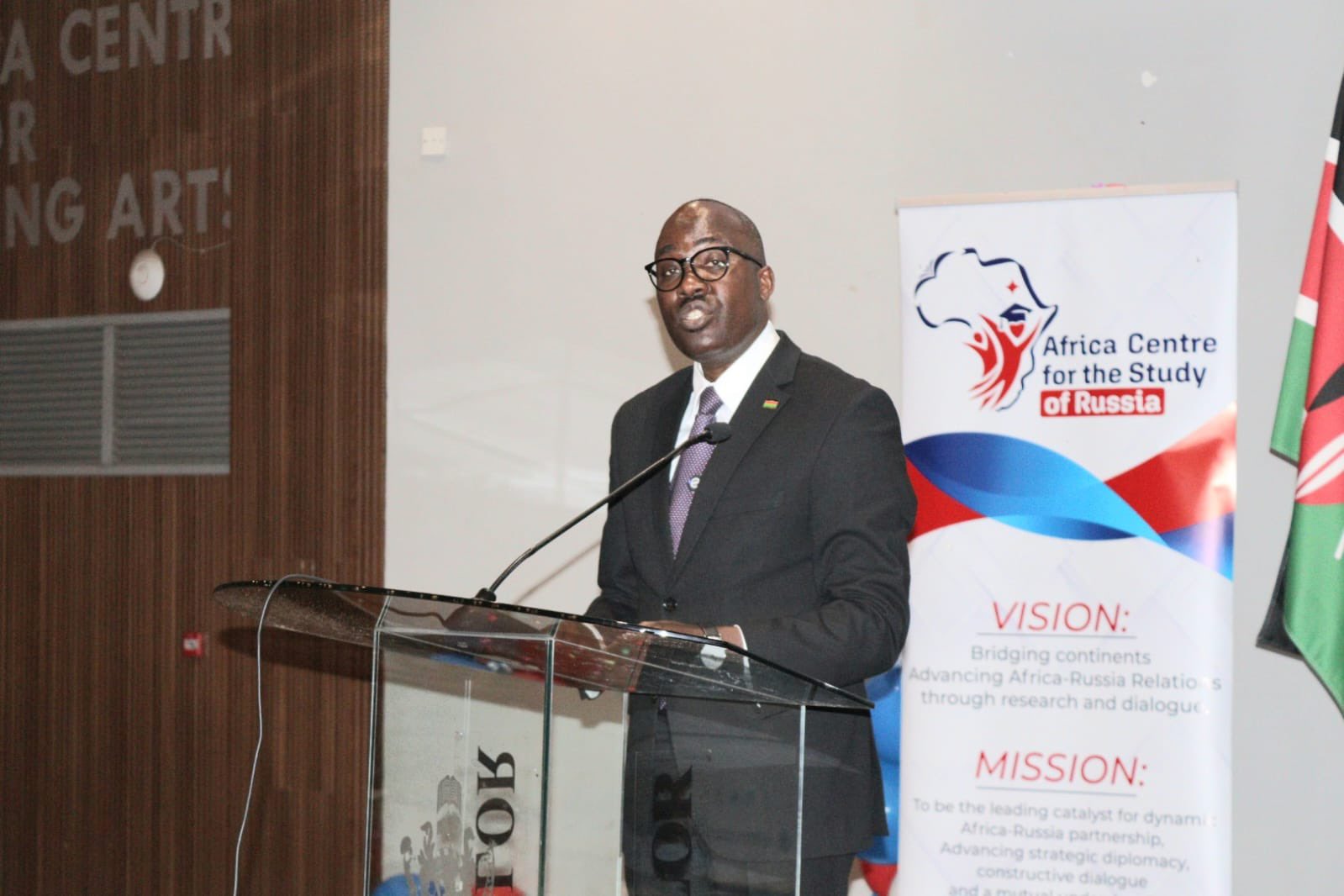
The University of Nairobi Wednesday, February 25, 2026, launched the Africa Centre for the Study of Russia, a pioneering academic hub designed to deepen research, dialogue, and diplomatic engagement between Africa and the Russian Federation. The inauguration, held in Nairobi, drew senior government officials, diplomats, scholars, and students.
At the ceremony, Foreign Affairs Principal Secretary Korir Sing’Oei hailed the centre as a “historic moment” for Kenya and the continent. “It is a great honor to join you today for the launch of the Africa Centre for the Study of Russia at the University of Nairobi. Kenya is very pleased to host this important centre, one of the very few on the African continent that will facilitate dialogue between Africa and the Russian Federation,” he said.
Sing’Oei traced the contemporary partnership to a long-standing historical relationship, noting that Russia, through its predecessor, the Soviet Union, played a significant role in supporting African nations during the post-colonial period. “At a pivotal moment when many African nations were charting the course of their sovereignty, the former Soviet Union extended important support through education, technical training, and political cooperation,” he explained.
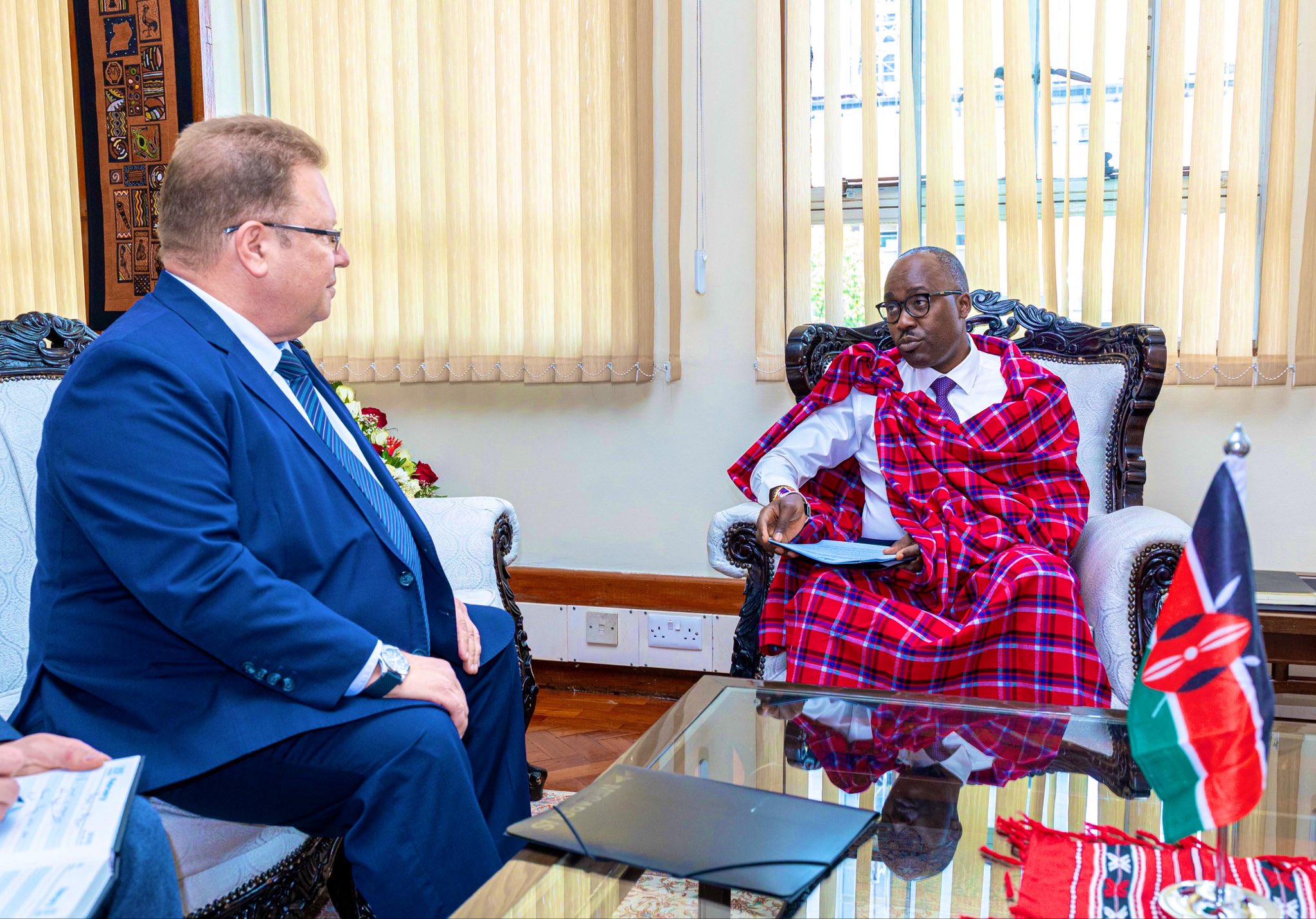
He emphasized that these historical ties were grounded in solidarity and mutual respect, noting that African leaders, professionals, and scholars often trace part of their intellectual and professional development to Russian institutions. “These enduring human connections serve as a living testament to the longstanding bond between our peoples, providing a robust foundation for our modern engagement,” Sing’Oei said.
He further said that Russia was never a participant in Africa’s colonial enterprise, framing this historical reality as a unique basis for a partnership free from the legacy of exploitation. “The opening of this centre demonstrates a growing and deepening partnership between our two countries and the African continent, driven by shared values and aspirations for the social and economic benefit of our people,” he said.
Contemporary Cooperation and Opportunities
Sing’Oei pointed to ongoing continental collaborations, including Africa–Russia ministerial conferences and summits, as crucial mechanisms for strengthening cooperation amid shifting global geopolitical dynamics. He also highlighted the cultural and intellectual richness of Russia, citing its literature, music, philosophy, and arts as fertile areas for academic inquiry.
“As we inaugurate this centre, it is fitting that we recognize this legacy and encourage deeper academic exploration of Russia’s intellectual tradition and its enduring influence on global culture and ideas,” Sing’Oei said. He encouraged scholars and students to leverage the centre as a platform to inform policy discussions that benefit both Africa and the international community.
The launch was also attended by Russian Ambassador to Kenya Vsevolod Tkachenko, who welcomed the initiative and praised the University of Nairobi as a leading African academic institution. “University of Nairobi is unique because it is a highly respected educational model and provides the highest standards in education. You have a strong academic team of professors and teachers,” Tkachenko said.
He added that the centre presents a promising opportunity for collaboration between leading Russian universities and one of Africa’s foremost institutions, providing a structured platform for research, cultural exchange, and policy dialogue.
The newly launched centre is envisioned as a multifaceted hub to conduct rigorous academic research on Russian politics, economics, culture, and international relations. It will also facilitate policy dialogue between African and Russian governments, as well as civil society and academic institutions. In addition, the centre will be used to promote cultural exchanges, enabling African scholars and students to engage directly with Russian intellectual and artistic traditions.
Observers note that the centre could play a strategic role in deepening Africa’s engagement with global powers beyond traditional Western partnerships. It offers a platform for African researchers and students to explore Russia’s historical and contemporary influence on the continent, including areas such as trade, diplomacy, education, and security.




LEAVE A COMMENT
You must be logged in to post a comment.