

|
LISTEN TO THIS THE AFRICANA VOICE ARTICLE NOW
Getting your Trinity Audio player ready...
|
Zimbabwe Wednesday, February 25, 2026, formally rejected a $367 million health funding agreement with the United States, citing concerns over access to sensitive biological data and perceived inequities in the proposed deal. The funding, intended to span five years, would have supported Zimbabwe’s ongoing health programmes, including HIV prevention, treatment, and research.
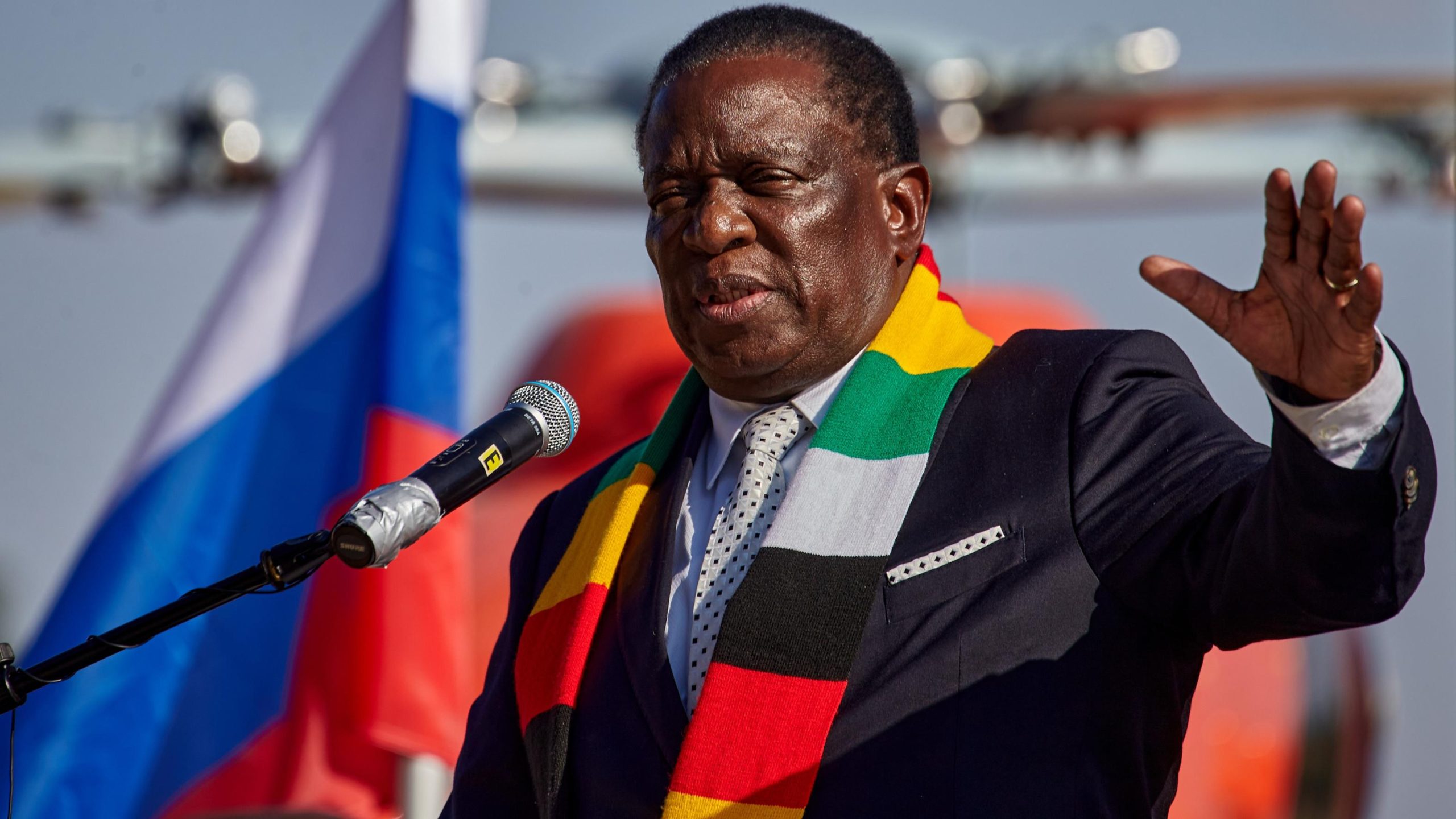
The decision was revealed following the leak of a government memo from December 2025, which showed that President Emmerson Mnangagwa described the deal as “lopsided.” According to the memo, the U.S. had demanded access to biological samples from Zimbabwean patients for research and potential commercial use, while offering no clear mechanisms to ensure Zimbabwe would share in the benefits of any resulting vaccines, treatments, or intellectual property.
A government spokesman said Zimbabwe could not agree to terms that compromised national ownership of critical health data, especially without assurances that the country and its citizens would benefit from discoveries and treatments derived from their samples.
The U.S. Responds
The U.S. ambassador to Zimbabwe, Pamela Tremont, acknowledged the breakdown of negotiations. “We will now turn to the difficult and regrettable task of winding down our health assistance in Zimbabwe,” Tremont said. She noted that the U.S. had provided over $1.9 billion in health funding to Zimbabwe over the past two decades, supporting efforts against HIV/AIDS, tuberculosis, malaria, and other public health priorities.
Despite the diplomatic tension, Tremont emphasized the U.S. commitment to global health and continued engagement in Zimbabwe, but stressed that any partnership must align with U.S. standards regarding research access and data use.
Zimbabwe’s Concerns
Zimbabwean officials argued that the deal disproportionately favored U.S. interests. While the agreement promised funding, the government highlighted that biological samples and health data are national assets that must be governed by Zimbabwean law and protocols. Officials noted that the U.S. offer did not include guarantees for equitable sharing of any commercial or research benefits from vaccines, drugs, or diagnostic tools developed from these samples.
Health sector advocates within Zimbabwe have expressed concern about the potential disruption to ongoing programmes. The Zimbabwe Doctors Association called for renewed dialogue to find a mutually acceptable agreement. “We hope both parties can return to the negotiating table so that Zimbabwe’s HIV programme and other critical health services are not interrupted,” the association said in a statement.
Zimbabwe’s stance comes amid heightened scrutiny across Africa regarding foreign health funding deals that involve sensitive data. In December 2025, Kenya’s High Court suspended a U.S.-backed health funding agreement after a consumer rights lobby raised concerns about the safety and privacy of Kenyan health data. The case highlighted public anxiety over data privacy, bioethics, and the equitable use of biological resources, especially in countries with significant HIV and other disease burdens.
The U.S. has historically been a major partner in African health programmes, funding initiatives ranging from HIV prevention and treatment to malaria eradication campaigns. Over the past twenty years, Zimbabwe has benefited from billions in aid, but the recent rejection signals a growing insistence among African governments on national sovereignty over health data and equitable participation in research benefits.





LEAVE A COMMENT
You must be logged in to post a comment.