


|
LISTEN TO THIS THE AFRICANA VOICE ARTICLE NOW
Getting your Trinity Audio player ready...
|
On Wednesday,the Tanzanian government confirmed it had officially blocked access to the social media platform X. The announcement came via Information Minister Jerry Silaa, who cited the platform’s permissiveness toward pornographic material, particularly content involving same-sex acts, as incompatible with the nation’s “laws, culture, customs, and traditions.”
In recent weeks, internet users in Tanzania reported sporadic access issues with X, coinciding with a dramatic series of events that included the hacking of the national police’s verified account. The breach resulted in the dissemination of pornographic content and even a false report of President Samia Suluhu Hassan’s death. Shortly afterward, pornographic material also appeared on the hacked YouTube channel of the national tax authority.
Minister Silaa insisted that the block on X was not politically motivated but a necessary enforcement of Tanzania’s digital ethics. He referenced the platform’s 2023 decision to allow “consensually produced and distributed” adult content as the main reason for the ban. “We cannot tolerate platforms that violate our values,” Silaa said during a televised interview. He hinted at a broader strategy, pointing out that YouTube had also seen content restrictions and noting that apps like Telegram and Clubhouse were similarly inaccessible unless users relied on VPNs.
However, human rights advocates aren’t convinced. The Legal and Human Rights Centre (LHRC), a Tanzanian watchdog group, sees the move as part of a broader clampdown on free expression. In a statement posted, ironically, on X, LHRC described the government’s position as “a troubling pattern of digital repression,” recalling that a similar ban occurred just before the 2020 elections. The group also questioned why government officials continued to use X for official communication even after the block, calling it an “inconsistency that undermines the government’s credibility.”
The digital censorship comes amid a tense political environment that has turned increasingly hostile toward opposition voices and regional allies. Tundu Lissu, a prominent opposition leader and perennial thorn in the ruling party’s side, was recently detained on charges of treason. His crime: vowing to rally a boycott of the elections unless reforms are introduced to ensure fairness. The government has dismissed the case as straightforward law enforcement. Lissu, on the other hand, has called it a political witch hunt.
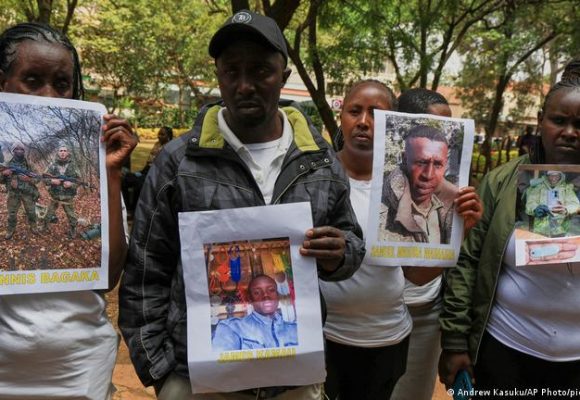
In a show of solidarity, a delegation of East African human rights activists traveled to Tanzania to attend Lissu’s court appearance. But the visit didn’t go as planned. Kenya’s former Justice Minister, Martha Karua, was swiftly deported upon arrival at Dar es Salaam’s Julius Nyerere International Airport. Ugandan journalist Agather Atuhaire and Kenyan activist Boniface Mwangi were allowed in, only to be detained later under disturbing circumstances.
After returning home, Atuhaire shared a harrowing account of her detention, alleging that she had been blindfolded, violently stripped, and sexually assaulted. Mwangi echoed similar claims, stating that he too was sexually abused and instructed by his tormentors to thank President Samia.
The authorities in Tanzania dismissed the allegations as hearsay. The police chief in Dar es Salaam called the reports “opinions,” casting doubt on their veracity. But regional and international human rights groups are not taking the matter lightly. Amnesty International has demanded a full investigation and insisted that perpetrators of what it termed “inhuman treatment” be brought to justice.


LEAVE A COMMENT
You must be logged in to post a comment.