

|
LISTEN TO THIS THE AFRICANA VOICE ARTICLE NOW
Getting your Trinity Audio player ready...
|
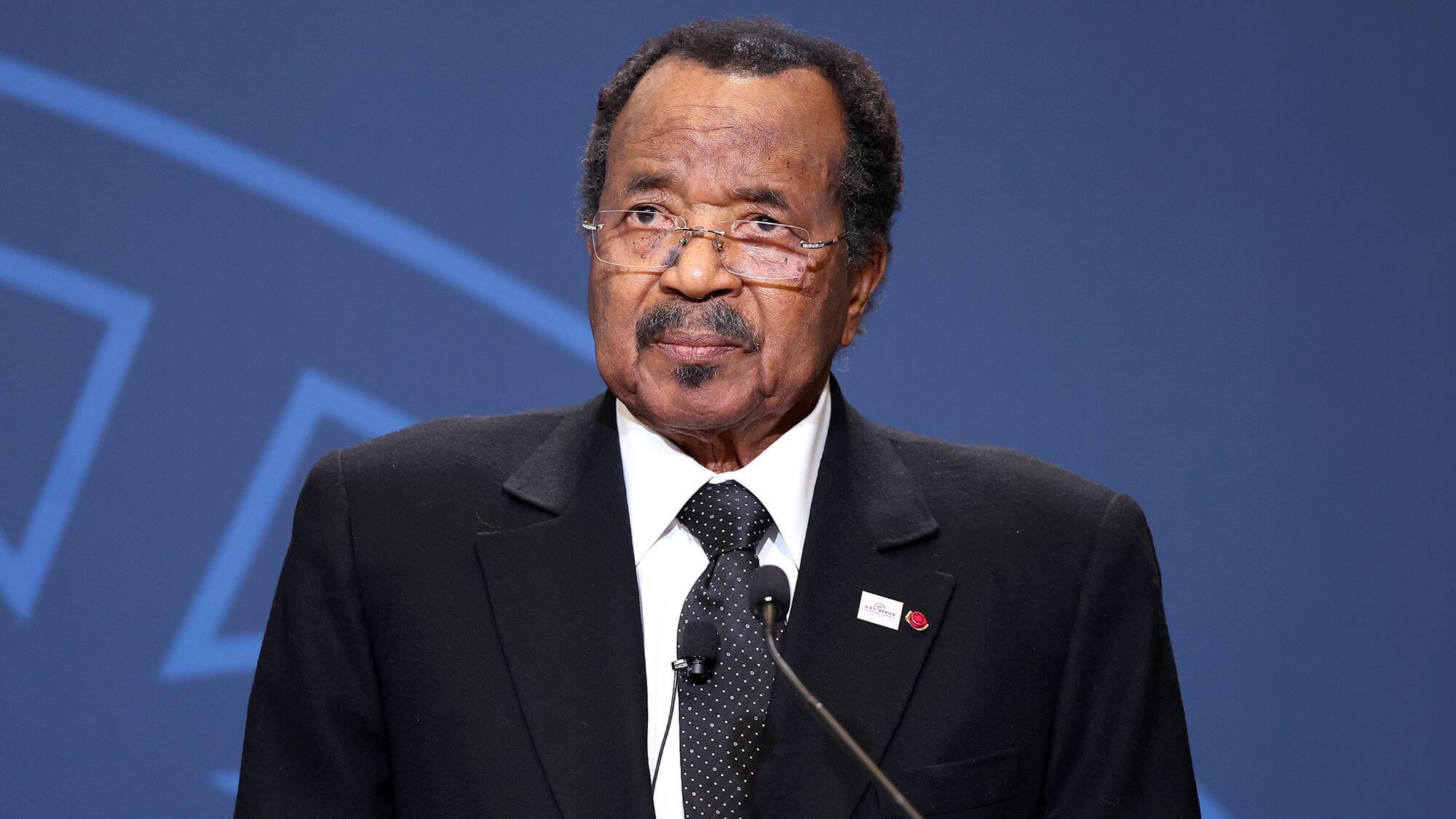
Paul Biya is preparing for yet another presidential run, at the age of 92. The Cameroonian leader, who has ruled the central African country since 1982, announced Sunday, July 13, that he will stand for re-election in October 2025, potentially extending his already four-decade grip on power until he is nearly 100 years old.
“I am a candidate for the 12 October 2025 presidential election,” Biya said on his X account, in a carefully worded post invoking patriotism, sacrifice, and duty. “The best is still to come,” he wrote, framing his decision as a response to “numerous and insistent calls from the ten regions of our country and from the diaspora.”
But his declaration has sharply divided opinion across Cameroon, a country of 28 million caught between nostalgia, fear, fatigue, and quiet defiance.
The Long Reign
Paul Biya is the world’s oldest sitting head of state. First ascending to power in November 1982 following the resignation of his predecessor Ahmadou Ahidjo, Biya has never lost a presidential election. That feat, however, is less a testament to popularity and more a reflection of the tight grip he maintains over Cameroon’s electoral and governance systems.
In 2008, he scrapped presidential term limits, effectively granting himself unlimited chances to rule. He won his most recent election in 2018 with 71% of the vote, a result decried by opposition leaders and international observers who cited widespread irregularities and voter suppression, particularly in the conflict-ridden anglophone regions.
The announcement was expected, but no less jarring. Within hours, Cameroon’s prominent daily newspaper Le Messager ran a chilling headline: “We are finished.”
On the streets of Yaoundé, the capital, citizens spoke in hushed tones. Many declined to give names, fearful of retaliation in a country where dissent can be dangerous.
“Never in the political history of nations have I seen or heard that a man of that age is declaring his candidacy in a presidential election,” one man told the press anonymously.
But not everyone disapproves. Ngono Marius, a public sector employee, expressed support: “The president still has much to offer the Cameroonian people. If he is a candidate, it means he’s capable to lead.”
Even among those who desire change, there’s resignation, and confusion. “I believe in democracy and change,” said Sylvia Tipa, a consultant in Yaoundé. “But maybe there’s no one better than him… perhaps this long stay in power is God’s doing.”
Cracks in the Inner Circle
Biya’s 2025 candidacy comes at a time of growing cracks within his inner circle. Two major political allies, former Prime Minister Bello Bouba Maigari and veteran minister Issa Tchiroma Bakary, recently split from the ruling coalition and announced separate presidential bids.
Just last month, Tchiroma openly criticized the administration he once served, declaring that Biya’s government had “broken” public trust. Their departure could fracture Biya’s support base in the crucial northern regions, which played a key role in previous election victories.
Meanwhile, the opposition is regrouping. Maurice Kamto, who was widely seen as Biya’s closest challenger in 2018, has confirmed he will run again. Other familiar names, Joshua Osih, Akere Muna, and Cabral Libii, are also in the race, although many doubt whether the election will be free or fair.
Concerns over Biya’s health and visibility have intensified in recent years. He was absent from public view for more than six weeks in 2023, fuelling speculation, and unfounded rumors, about his death. Although he occasionally appears at official functions, most of his communications are filtered through press releases, state media, or pre-recorded speeches.
“He governs from the shadows,” said Felix Agbor Nkongho, a prominent human rights lawyer, in a recent interview. “What Cameroon needs is leadership that inspires, not one that clings to power.”
Biya’s extended rule has coincided with waves of economic stagnation, systemic corruption, and worsening security crises. His administration has faced allegations of embezzlement and poor governance, while Cameroon continues to grapple with multiple armed conflicts.
In the Far North, Boko Haram attacks persist, destabilizing border regions. In the west, a brutal separatist conflict rages in the English-speaking regions, where armed groups are demanding independence from what they call Francophone domination. Human rights groups have documented widespread abuses by both state forces and armed separatists, including extrajudicial killings, torture, and forced disappearances.
Yet, Biya’s government continues to dismiss international criticism. Officials often argue that Cameroon’s sovereignty is being undermined by foreign interference and that the state is doing all it can to protect its citizens.

LEAVE A COMMENT
You must be logged in to post a comment.