

|
LISTEN TO THIS THE AFRICANA VOICE ARTICLE NOW
Getting your Trinity Audio player ready...
|
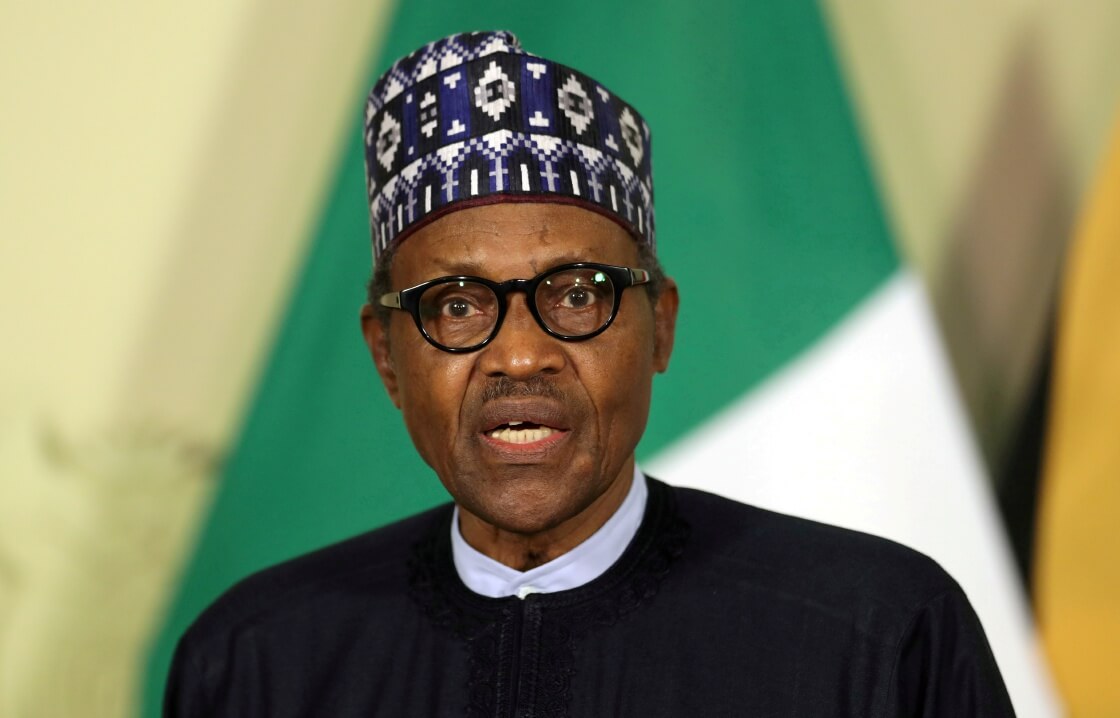
Nigeria’s former president Muhammadu Buhari was laid to rest on Tuesday, July 15, 2025, in his hometown of Daura, following his death two days earlier at a medical facility in London. He was 82.
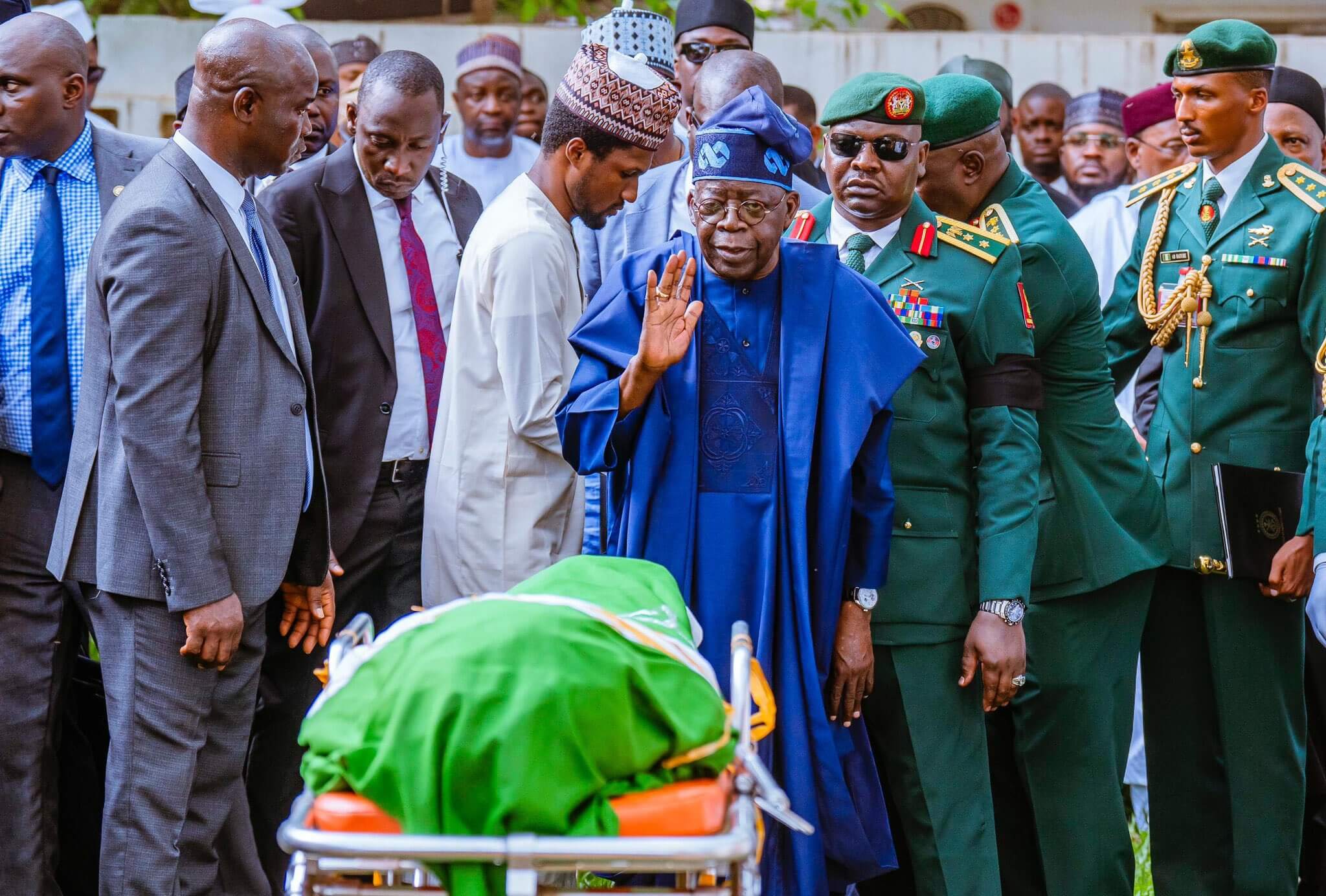
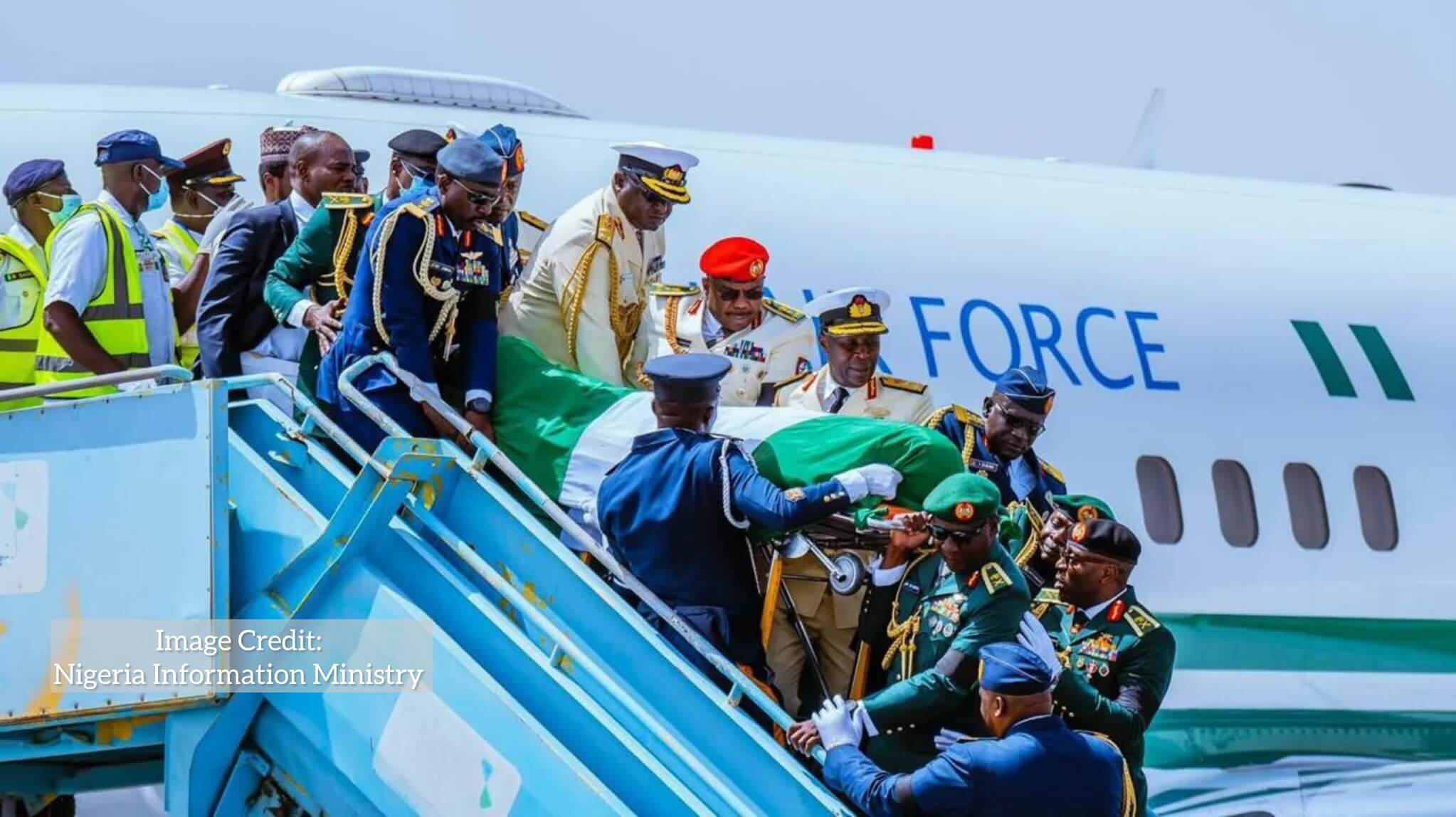
His body arrived at the Umaru Musa Yar’Adua International Airport in Katsina aboard a presidential military aircraft. Awaiting him was a somber reception led by President Bola Ahmed Tinubu, along with a delegation of regional leaders and Nigerian dignitaries.
Among those present were President Umaro Sissoco Embaló of Guinea-Bissau, former President Mahamadou Issoufou of Niger, and Nigeria’s former vice president, Yemi Osinbajo. The late leader’s remains were later transported by road to Daura, located approximately 80 kilometers from the airport, where he was buried in accordance with Islamic rites at his family home.
Vice President Kashim Shettima, who accompanied the body from the United Kingdom, said Buhari’s death followed a brief illness. No additional medical details were released to the public.
The Nigerian government declared a national public holiday on the day of the burial, to allow citizens to observe a moment of collective reflection for the man who once stood at the helm of the country in two radically different eras: first as a military ruler in the 1980s and later as a democratically elected president.
From Army Officer to Two-Term President
Born in 1942 in northern Nigeria, Muhammadu Buhari began his career in the Nigerian army and quickly rose through the ranks. He seized power in December 1983 through a military coup, overthrowing President Shehu Shagari’s civilian government. As military head of state until 1985, Buhari was known for his uncompromising anti-corruption stance and emphasis on national discipline, a period remembered both for its strict reforms and allegations of human rights abuses.
After decades out of power, Buhari returned to the political arena, this time as a civilian. In 2015, he made history by becoming the first opposition candidate to win Nigeria’s presidency through the ballot box, defeating then-incumbent Goodluck Jonathan. He was re-elected in 2019 and completed his second term in 2023, after which he returned to private life.
Tributes Across the Political Divide
Buhari’s death triggered tributes from across Nigeria’s political spectrum and beyond its borders. Goodluck Jonathan, the man he defeated in the 2015 election, praised him as a leader who “served the country with character and deep patriotism.”
Former military ruler General Ibrahim Babangida, who had removed Buhari from power in a 1985 coup, called him “a moral compass” who remained an influential figure in public life even after leaving office.
President Tinubu, Buhari’s successor, ordered a seven-day national mourning period, with flags flown at half-mast across the country from Sunday, July 13. Tinubu also confirmed his participation in funeral prayers in Daura and emphasized the government’s commitment to giving the late leader a dignified farewell.
Buhari’s tenure in office, both as military and civilian leader, continues to provoke mixed reactions. He is credited with investing heavily in infrastructure and attempting to curb systemic corruption. His administration also contended with security challenges, including the insurgency by Boko Haram and conflicts involving armed groups in various parts of the country.
While some Nigerians saw him as a symbol of integrity and discipline, others criticized what they viewed as authoritarian tendencies and economic mismanagement under his civilian presidency.

LEAVE A COMMENT
You must be logged in to post a comment.