

|
LISTEN TO THIS THE AFRICANA VOICE ARTICLE NOW
Getting your Trinity Audio player ready...
|
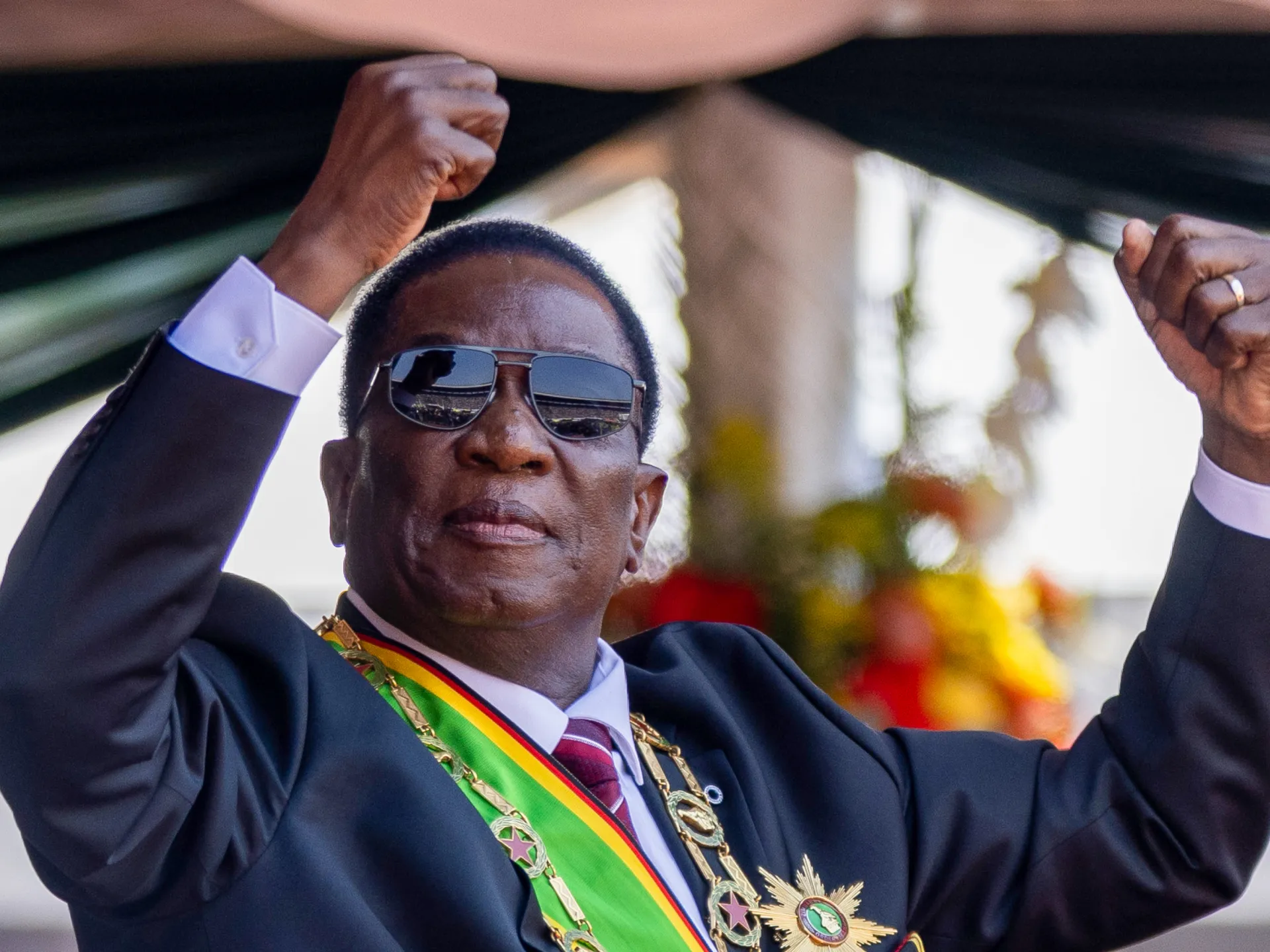
Zimbabwe’s Cabinet in Harare on Tuesday, 10 February 2026, approved a draft bill that proposes sweeping changes to the country’s Constitution, including extensions of presidential and parliamentary terms and a fundamental alteration to the way the head of state is chosen.
At the centre of the proposed reforms is a plan to lengthen both presidential and parliamentary terms from five years to seven, a shift that could allow sitting President Emmerson Mnangagwa, now 83, to remain in office until 2030 rather than stepping down at the end of his current term in 2028 under the existing Constitution. Along with the term extension, the bill moves to replace Zimbabwe’s system of direct popular election of the president with a mechanism in which the head of state would be elected by members of Parliament, a change that critics say further erodes direct democratic participation.
More Presidential Powers
Justice and Parliamentary Affairs Minister Ziyambi Ziyambi announced the Cabinet’s decision in Harare, saying that the draft legislation will be submitted to the parliamentary speaker and published in the government gazette before lawmakers consider it, marking the next formal step in the constitutional amendment process. Under Zimbabwean law, constitutional amendments must be gazetted and then wait 90 days before Parliament can debate them, a procedural path that positions ZANU-PF, which commands a two-thirds majority in the lower house and strong influence in the Senate, to advance the changes with relative ease.
The Cabinet also endorsed other provisions in the bill that would expand presidential powers, including allowing the president to appoint 10 additional senators, increasing the Senate’s size to 90 members, a development that opposition figures fear will deepen executive influence over the legislature.
Government proponents argue that longer terms and institutional adjustments will reduce the frequency of political contests, cut down election-related disruptions and provide continuity for long-term national development programmes. They have pointed to other African states where presidents are chosen by Parliament, framing the proposal as within the continent’s constitutional diversity.
Deep Opposition and Constitutional Crisis
Across Zimbabwe, opposition leaders, rights lawyers and civil society organisations have condemned the Cabinet’s approval of the draft amendments. Many have described the initiative as a “constitutional coup”, a term used by opposition lawyer Tendai Biti to characterise efforts that critics say violate the existing constitutional limits on presidential tenure. Biti and others argue that extending an incumbent’s tenure through constitutional change without direct public participation undermines the very democratic principles the Constitution was designed to protect, and that such changes should require a national referendum.
Prominent opposition figures such as David Coltart, mayor of Bulawayo, have reiterated that any amendment affecting term limits must be put to the people. “Any amendment which has the effect of extending an incumbent’s tenure should be subjected to a referendum,” Coltart said, noting that authorities may resist such a vote precisely because the outcome could jeopardise the proposed changes.







LEAVE A COMMENT
You must be logged in to post a comment.