

|
LISTEN TO THIS THE AFRICANA VOICE ARTICLE NOW
Getting your Trinity Audio player ready...
|
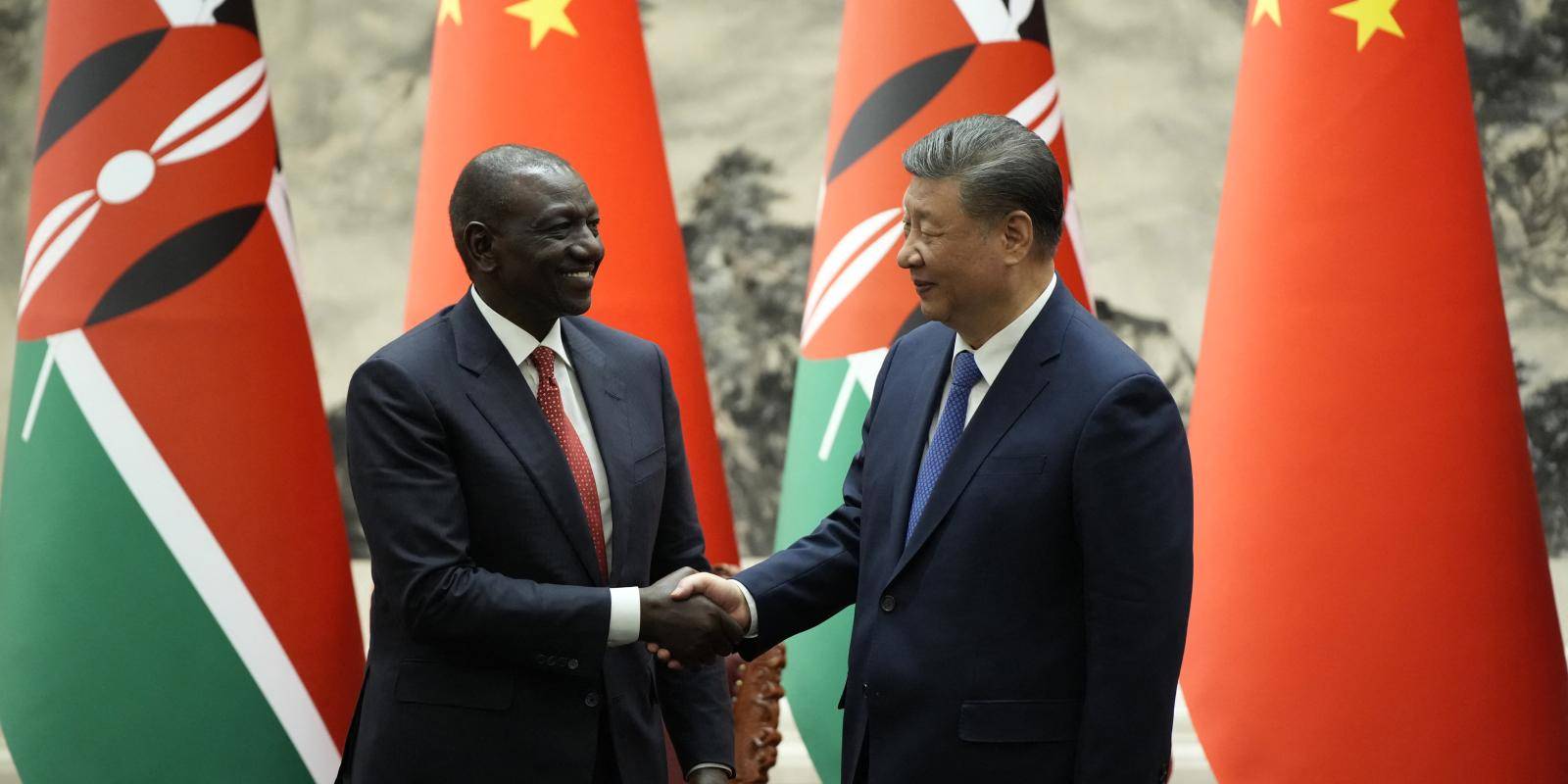
New data based on research from the ONE Data initiative, reveals a striking transformation in global development finance: many low- and middle-income countries, especially in Africa, are now sending more money to China in debt repayments than they receive in new loans from Beijing.
The findings come from the ONE Data initiative, which is part of the ONE Campaign, an international non-partisan, non-profit advocacy organisation that uses evidence and data to promote investments aimed at reducing extreme poverty and expanding economic opportunity globally. ONE Campaign compiles and analyses data on aid, debt, and development finance to help policymakers, journalists, activists, and citizens understand financial flows that affect lives and economies across Africa and beyond.
In early 2026, ONE Data announced a new “Development Finance Observatory” in partnership with philanthropic and technical partners including Google.org and The Rockefeller Foundation. This observatory will bring together fragmented global finance data into a unified platform, making patterns in debt, lending, aid and repayments clearer to everyone from governments to ordinary citizens.
A Great Reversal in Chinese Finance
According to the ONE Data analysis documented by Reuters, China’s role as a major lender to developing nations has shifted sharply over the past decade. New loans to poorer countries have declined, even as repayments on older loans continue. As a result, many countries are now paying more to China in debt service than they are receiving in fresh financing. This pattern is especially pronounced in Africa, where data show that nations moved from receiving approximately $30 billion in Chinese financing between 2015–2019 to repaying about $22 billion between 2020–2024, a reversal of roughly $52 billion in net flows.
David McNair, Executive Director of ONE Data, described the shift bluntly: “There’s less new lending coming in, but previous lending from China still needs to be serviced, and that’s what’s driving the outflows.”
Multilateral Finance Gains Ground
The report also highlights that multilateral institutions, such as the World Bank, African Development Bank, and regional development banks, have stepped into the gap left by declining bilateral loans. Once repayments are factored in, multilateral lenders now account for an increasing share of net development finance.
Over the past decade, net financing from multilateral organisations grew by 124 % and now represents roughly 56 % of net flows to developing economies, equivalent to about $379 billion between 2020–2024.
This shift indicates how global development finance is recalibrating: institutions that pool resources from many countries are playing a larger role in sustaining capital flows, even as traditional bilateral lending patterns change.
Aid Cuts and Broader Context
The analysis also points to wider challenges. The closure of the U.S. Agency for International Development (USAID) in 2025 and reduced allocations from other donor countries are expected to further squeeze external financing to developing economies. Once data for 2025 are compiled, the report anticipates a sharp decline in Official Development Assistance (ODA). Alongside the decline in Chinese lending and traditional aid, bilateral finance flows and private external debt are also falling, a trend likely to deepen with further cutbacks.
McNair characterises these dynamics as “a net negative” for many African nations, which now face tougher choices in funding schools, hospitals, infrastructure and public services. At the same time, he argues that reduced reliance on external financing may spur greater domestic accountability and financial planning.








LEAVE A COMMENT
You must be logged in to post a comment.