

|
LISTEN TO THIS THE AFRICANA VOICE ARTICLE NOW
Getting your Trinity Audio player ready...
|
Editor’s Note 10/20/25: DCP leader Rigathi Gachagua did not attend the funeral of Raila Odinga. Further research shows that in 2017, Raila attended the burial of Nyeri Governor Nderitu Gachagua, Rigathi’s elder brother. This context has been added under the section A Lesson in Grace to highlight the contrast and underscore Gachagua’s lack of political magnanimity during this historic moment.
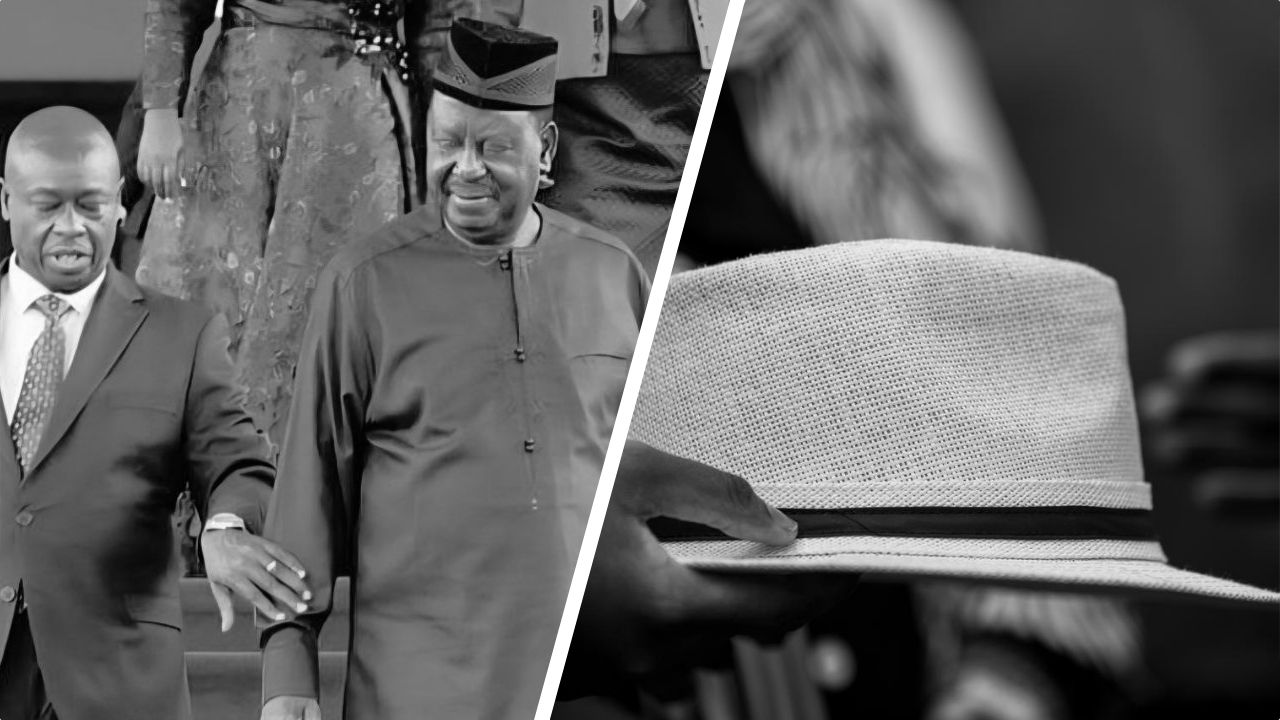
When the nation gathers in Bondo to bury former Prime Minister Raila Odinga, one man’s presence or absence will speak volumes.
For Rigathi Gachagua, once deputy president and now impeached and politically adrift, the decision to attend the burial is about more than symbolism. It is a test of whether he can rise above vendettas and show the magnanimity that marks true statesmanship.
In most African traditions, funerals are more than farewells. They are sacred spaces of reconciliation, where even bitter rivals lay down their grudges and honor the memory of a worthy opponent. Among warriors, such moments are seen as a final act of respect, a ritual cleansing of lingering bitterness.
Failing to attend would be an unforced blunder by an otherwise shrewd politician. It would be a colossal mistake that might shut Gachagua out of Luo Nyanza for many years to come.
A rivalry forged in unrestrained political firepower
The animosity between Raila and Gachagua, a self-proclaimed son of the Mau Mau, was not born of ordinary political competition. It was personal, cultural, generational, and deeply felt.
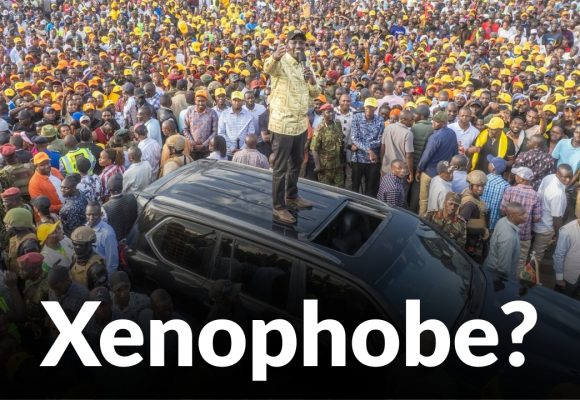
During the 2022 general election, while then-President Uhuru Kenyatta publicly endorsed Raila Odinga, Rigathi Gachagua, President William Ruto’s fiery running mate, mounted an unrelenting campaign in the Mount Kenya region. He mocked Raila in personal terms, feeding the unfounded perception that he was ungodly (mchawi) and using dog whistles aimed at Raila’s Luo heritage. Gachagua rarely engaged on policy differences, instead framing his opposition as a rejection of Raila himself. He often praised Kenyatta’s record in office but said the president’s only mistake was bringing to the region “huyu mtu.” He dismissed Kenyatta’s alliance with Raila as a pact between political dynasties and accused both men of conspiring to keep the mountain poor.
His sharp-edged rhetoric turned the tide in favor of Ruto’s “hustler” movement, effectively torpedoing Raila’s support in the region and killing his last shot at the presidency.
A history of harsh words
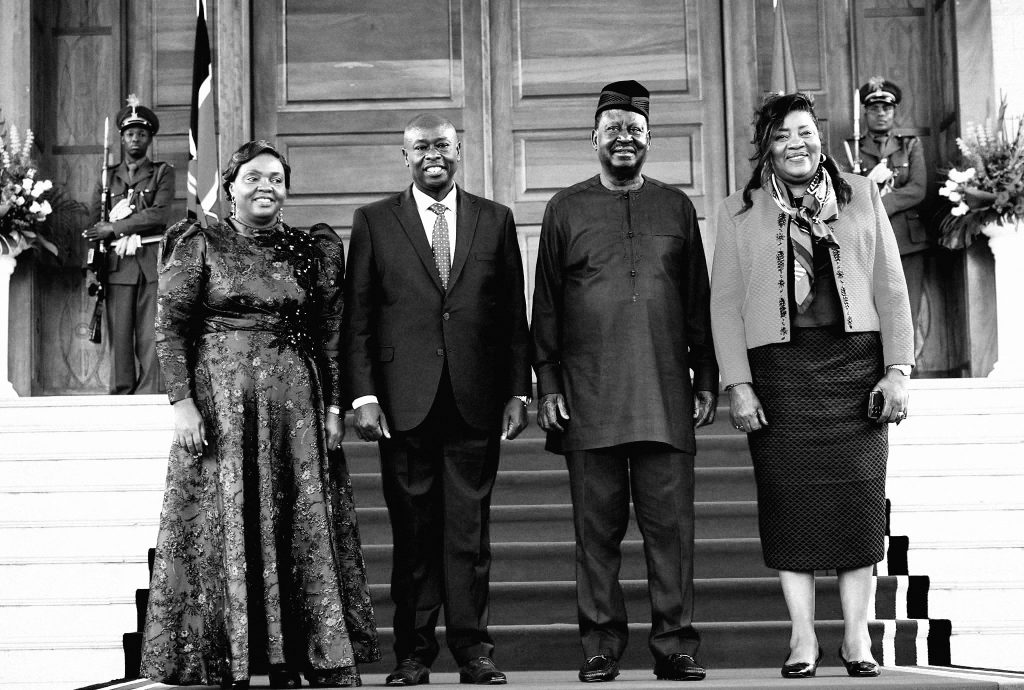
Before his impeachment, Gachagua publicly issued a not-so-veiled threat against Raila, saying, “Huyu mzee, ni sisi na yeye. Huyu mzee amesumbua Kenya for the last 60 years wakiwa na baba yake. Wakati ya kumalizana na huyu mtu ni wakati huu. Na ataenda akiendaga.”
While it is possible that Gachagua was merely engaging in his usual brand of hyperbolic politics, some interpreted his words as a direct threat in a nation where several political assassinations have taken place. The remark underscored his deep personal animus toward Raila and heightened fears about the increasingly toxic tone of Kenya’s political discourse.
Raila hit back with rare fury. He dismissed Gachagua as a tribalist political novice. He reminded him that his father, Jaramogi Oginga Odinga, had fought for the release of Mau Mau freedom fighters from colonial detention before Gachagua was even born.
The jab underscored Raila’s seniority in both age and political experience, framing Gachagua as a newcomer to struggles he could never understand.
Soon after, Raila coined the nickname “Gachietha,” a scathing play on Gachagua’s name that in Dholuo slang means human waste. It was a rare lapse into open disdain from a man known for restraint and using riddles to mock opponents. The nickname signaled he had lost all regard for his rival.
When rumors about Raila’s illness began spreading across the country, Raila’s team inexplicably issued a statement denying his illness and blaming Gachagua and the opposition for spreading the rumors and wishing him ill health and even death.
Gachagua responded in his characteristic scathing manner, calling Raila “huyu mzee” and insisting that he and fellow opposition leader Kalonzo Musyoka were not bacteria or viruses that could cause Raila’s illness. The statement was seen as unnecessarily harsh and lacking empathy, further deepening the bad blood between the two leaders.
That is why, when Raila died, Gachagua’s public condolence message pleasantly surprised many. He partly wrote on X:
“Baba Raila Odinga, may you rest well. The enigma Baba, the father of our democracy and a formidable hero of Kenya’s 2nd liberation… You stood tall and strong in intellect, knowledge, and quest for democracy.”
It was one of Gachagua’s most gracious public statements, praising Raila as a patriot and a Pan-Africanist who fought for Kenya’s freedom. But those words will ring hollow if he fails to show up in Bondo to honor them in person.
The ghost of absence
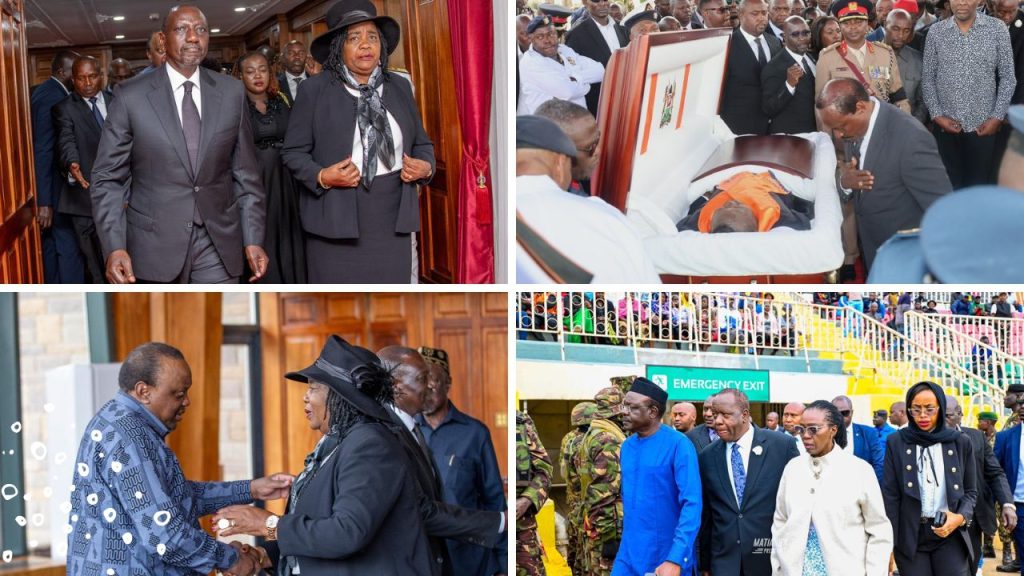
Gachagua’s absence from Raila’s state funeral was conspicuous. While opposition figures such as Kalonzo Musyoka, Martha Karua, Fred Matiang’i, and Eugene Wamalwa attended the state funeral in Nairobi and were warmly received, Gachagua stayed away.
Some outlets have reported that his team cited security concerns, claiming intelligence warned of threats against his life. But in Kenya’s political culture, such claims often double as convenient excuses for avoiding uncomfortable leadership moments.
Some ODM politicians have reportedly warned him not to attend the burial. Yet the Odinga family, which controls the event, has made it clear that the funeral is open to all Kenyans. There is no official barrier to his attendance.
A lesson in grace
In 2017, when Gachagua’s elder brother, Nyeri Governor Nderitu Gachagua, died after a two-year battle with pancreatic cancer, Raila Odinga traveled to Nyeri to join the family in mourning. His visit came at a time of great hostility toward him from the Mount Kenya region, yet he showed no fear of humiliation. In his eulogy, Raila praised the late Nderitu as a thoughtful politician who served the country with distinction.
Raila’s funeral was attended by foreign dignitaries, political rivals, and leaders from Gachagua’s own backyard, including former President Uhuru Kenyatta, David Murathe, and Martha Karua. Against that backdrop, Gachagua’s claim that he avoided Raila’s burial out of fear of hostility rings hollow.
While Gachagua has argued that he might be targeted because of his fallout with President Ruto and past political persecution, it stretches reason to suggest he faced any real danger from the Odinga family. The Ogingas have long been known for their civility toward political opponents, even those who wronged them. Raila’s funeral was a state event attended by presidents, foreign dignitaries, and thousands of Kenyans. To insist he was unsafe there is implausible.
By staying away, Gachagua rejected the same grace Raila once extended to him. For a politician of his stature, it was not merely a personal lapse but a political miscalculation of historic proportions.
The Ruto factor
The burial will also mark a rare occasion where Gachagua and President William Ruto share the same stage since their falling-out. Appearing in Bondo would allow Gachagua to face Ruto directly on the president’s turf and demonstrate that he is unafraid to stand beside him before the nation.
It would reassert his relevance and remind Kenyans that he is not a spent force.
While few may admit it openly, the race to inherit Raila’s vast popular support quietly begins at his funeral, and so far, Ruto appears to be winning that contest. Gachagua can blunt that advantage by his mere presence, showing that he, too, understands the moment’s symbolic power and the need to reach beyond tribal boundaries.
Political analyst Mutemi wa Kiama captured it well.
“He [Gachagua] should attend, but I doubt he will,” Wa Kiama said. “He should show ‘yaliyopita si ndwele,’ meaning the past is in the past. The moment would be unifying for Kenya, and I would have a Kodak moment of Riggy G and WSR.”
Such an image, Gachagua and Ruto shoulder to shoulder in Bondo, would symbolize a rare moment of political maturity in a country long divided by personal grudges and ethnic politics.
The nationalist contrast
After Raila’s death, Gachagua now holds a unique, if unofficial, position as the country’s leading opposition voice, thanks to his relentless attacks on the Ruto administration. But unlike Raila, who commanded a national following, Gachagua’s appeal remains mainly confined to Mount Kenya.
His ability to rally crowds with his “wantam” slogan, an earthy populist cry that electrifies his rallies, will mean little if it is not matched by the broader spirit of unity that Raila embodied.
By failing to attend the burial, Gachagua would risk undermining his own efforts to rebrand as a national unifier. It would expose the contradiction between his “cousins” rhetoric, meant to promote solidarity across Kenya’s regions, and his apparent unwillingness to step into a space that demands courage and reconciliation.
Raila was many things to many people, loved by some, loathed by others. But above all, he was a nationalist who despised tribalism. He campaigned across the country, even in Mlima. He fought for a Kenya where ethnicity would never determine opportunity or belonging.
For Gachagua to skip the burial of such a man would be to reject the very ideal of unity he now claims to represent.
Courage or cowardice
Yes, Gachagua might be booed. He might be mocked. He might even face hostility. But that is precisely why he must go.
To rise above parochial politics and stare down those who thrive on division. Leadership is not about comfort; it is about conviction. His silent presence, standing among mourners, would speak louder than any speech.
To stay away, however, would be to shrink in the face of history. It would mark the self-proclaimed son of Mau Mau as small-minded, vindictive, and trapped in regional politics. In Bondo, Gachagua has nothing to lose and everything to gain.
If he genuinely believes the words of his tribute, that Raila was a “formidable hero of Kenya’s second liberation,” then Bondo is where he must be.
Absence would be a colossal mistake.



LEAVE A COMMENT
You must be logged in to post a comment.