

|
LISTEN TO THIS THE AFRICANA VOICE ARTICLE NOW
Getting your Trinity Audio player ready...
|
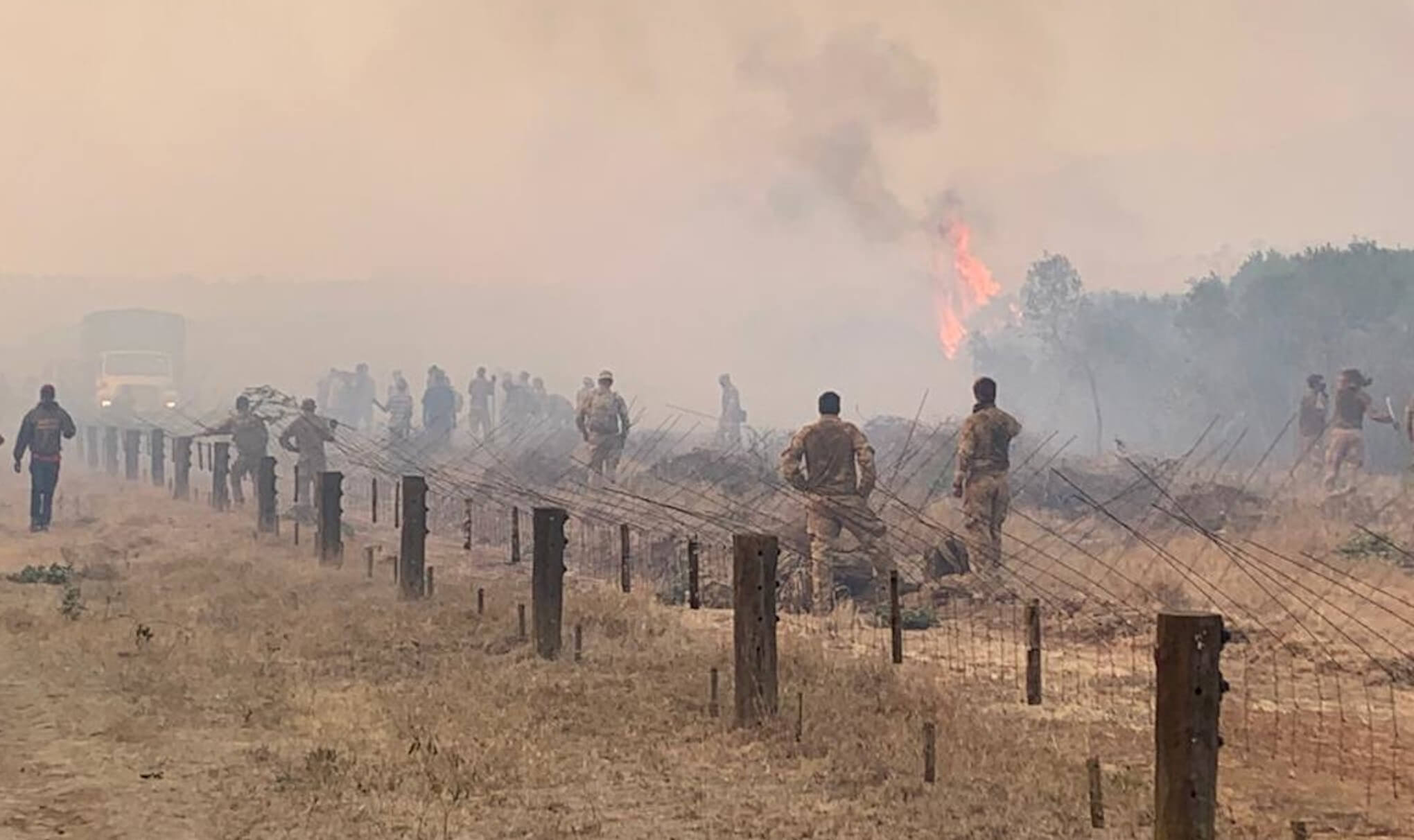
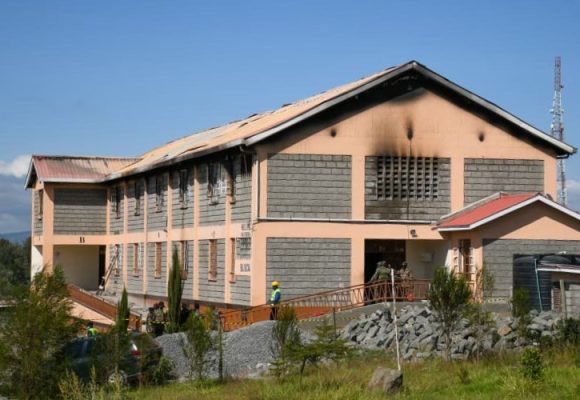
More than four years after flames tore through Lolldaiga Hills Conservancy in Kenya’s Rift Valley, the British government has finally agreed to compensate thousands of Kenyans who say they lost property, livelihoods, and their health in a fire sparked by a British military exercise.
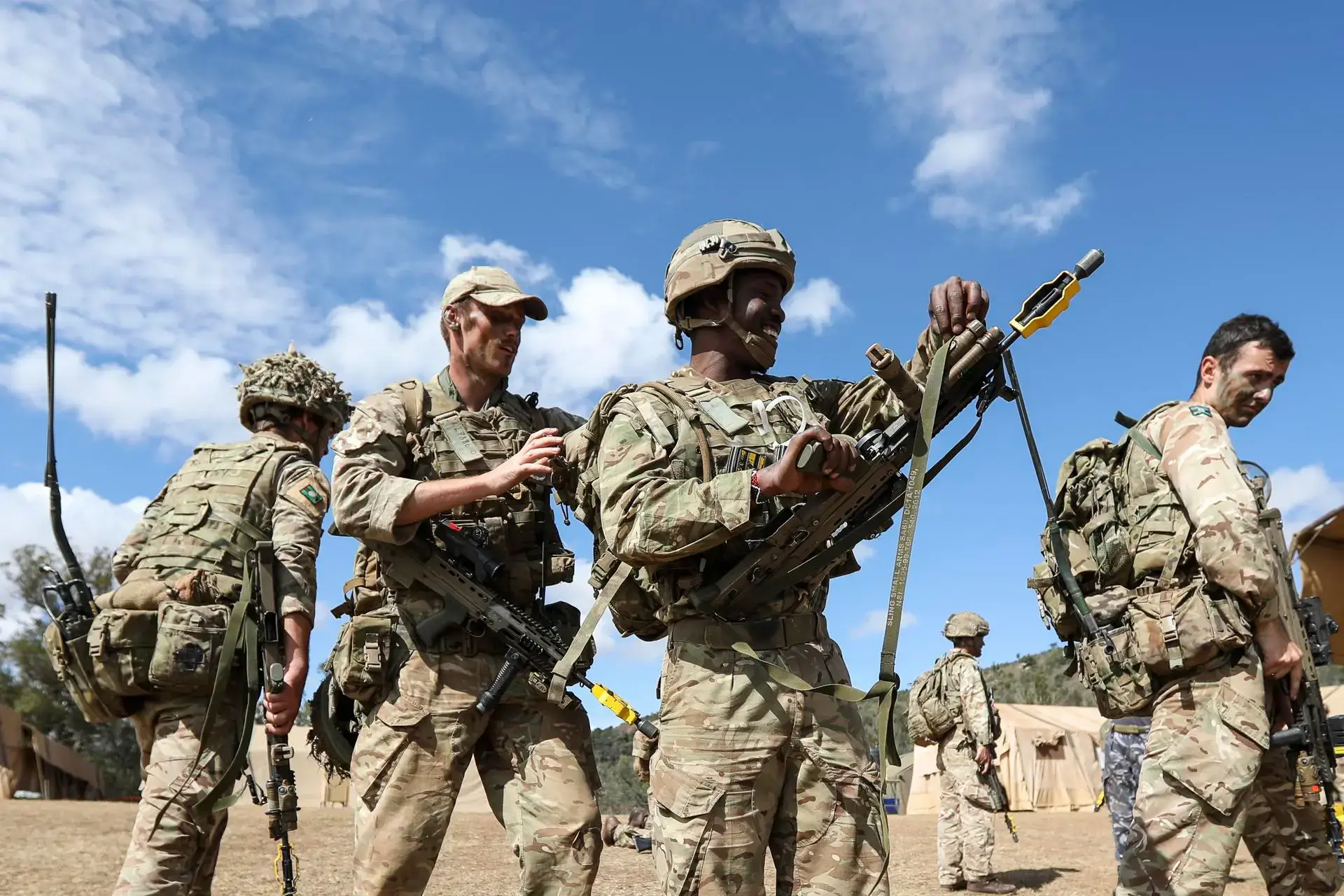
An out-of-court settlement announced this week ends a protracted legal battle brought by 7,723 claimants; some of whom are pastoralists, smallholders, and workers, who argued that the blaze left them with scorched fields, displaced herds, and lingering respiratory complications. The inferno, which began in March 2021, was later traced by Britain’s Ministry of Defence to a camp stove accidentally toppled during training drills by the British Army Training Unit Kenya (BATUK).
The British High Commission in Nairobi admitted liability in an interview to the BBC. “The UK accepts responsibility for the fire and that is why compensation has been paid,” a spokesperson said, calling the payout both “fair and generous.” London has not disclosed the figure, but lawyers involved confirmed it at £2.9 million (about KSh 500 million)- an amount that averages less than £400 per claimant.
For lawyer Kevin Kubai, who represented the victims, the settlement was “the best possible outcome” given the evidentiary hurdles. “Continuing litigation could have dragged on for another seven years,” he said, arguing that many medical claims could not be substantiated because villagers lacked hospital records and were accustomed to cooking over smoky firewood stoves. Some of his clients, however, felt the compensation barely scratched the surface of their losses.
The Ministry of Defence previously admitted that the fire destroyed nearly 7,000 acres of private land inside the 49,000-acre conservancy. It denied that community land was directly affected, though residents argued they suffered environmental fallout- choking smoke, contaminated grazing land, and the destruction of property as wild animals, panicked by the fire, stampeded into villages.
Since then, Britain has supported restoration efforts in Lolldaiga. Military exercises, however, continue.
A Landscape Heavy With History
Lolldaiga Hills, with its rolling bushland and sweeping views of Mount Kenya’s snowy peaks, is not a mere, common training ground. It is also part of the Laikipia plateau, where British colonial seizures dispossessed entire communities. Many descendants of those who lost their ancestral land now live as squatters or poorly compensated laborers, while vast tracts remain in private hands or serve elite conservancies.
The fire therefore stirred environmental concerns, and reopened old scars. The image of British soldiers, once colonial enforcers and now military guests, presiding over exercises that scar the land, resonates deeply in a region where unresolved land injustices fuel recurring clashes.
Just a short drive south of Lolldaiga, the gleaming Nyati Barracks, built for £70 million, stands as a symbol of Britain’s military footprint in Kenya. BATUK is believed to bring in tens of millions of pounds each year, hosting thousands of British troops for desert and bush warfare drills. But its presence has been shadowed by allegations of misconduct; from fatal hit-and-runs to the unsolved murder of a young Kenyan woman near Nanyuki in 2012.





LEAVE A COMMENT
You must be logged in to post a comment.