

|
LISTEN TO THIS THE AFRICANA VOICE ARTICLE NOW
Getting your Trinity Audio player ready...
|
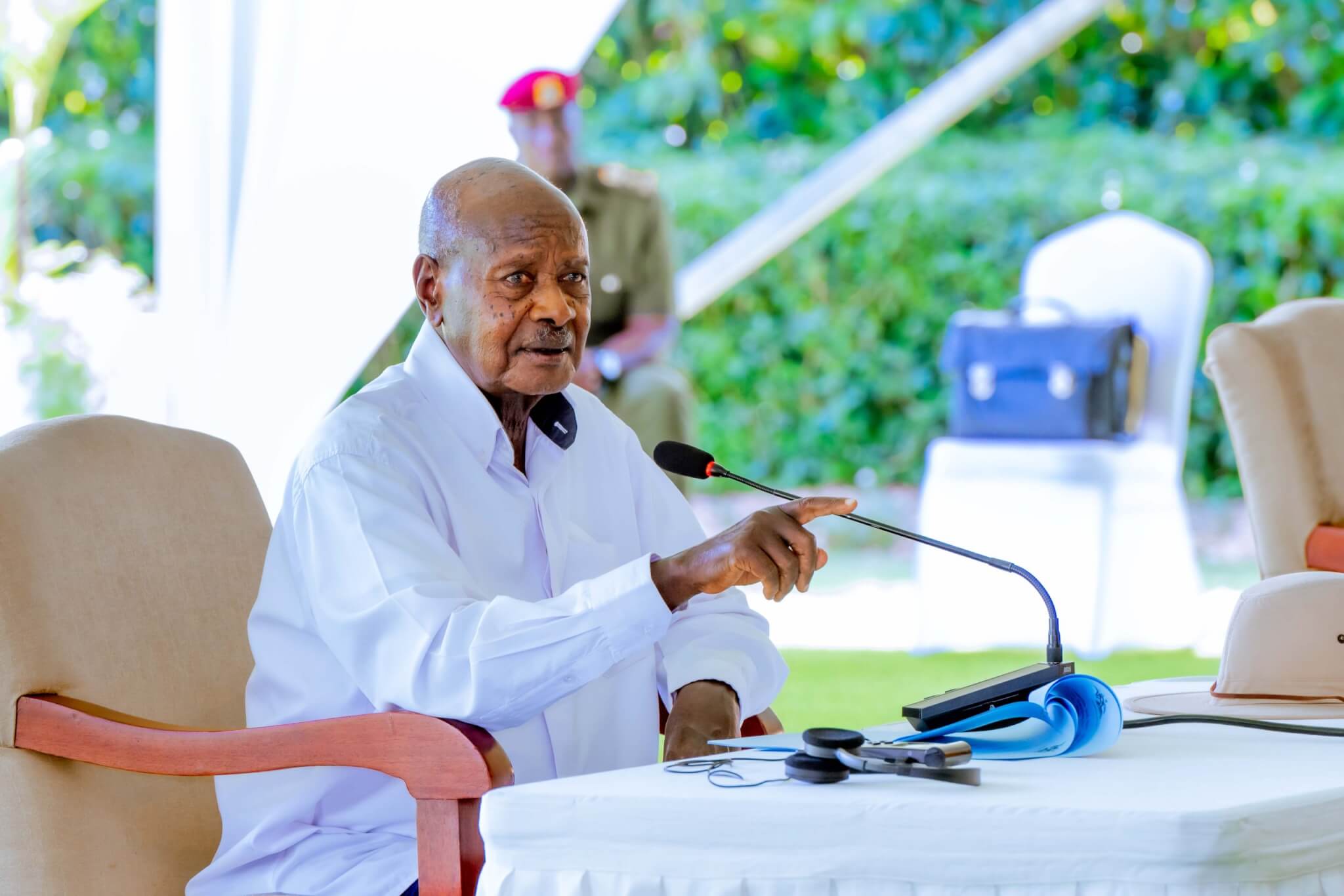
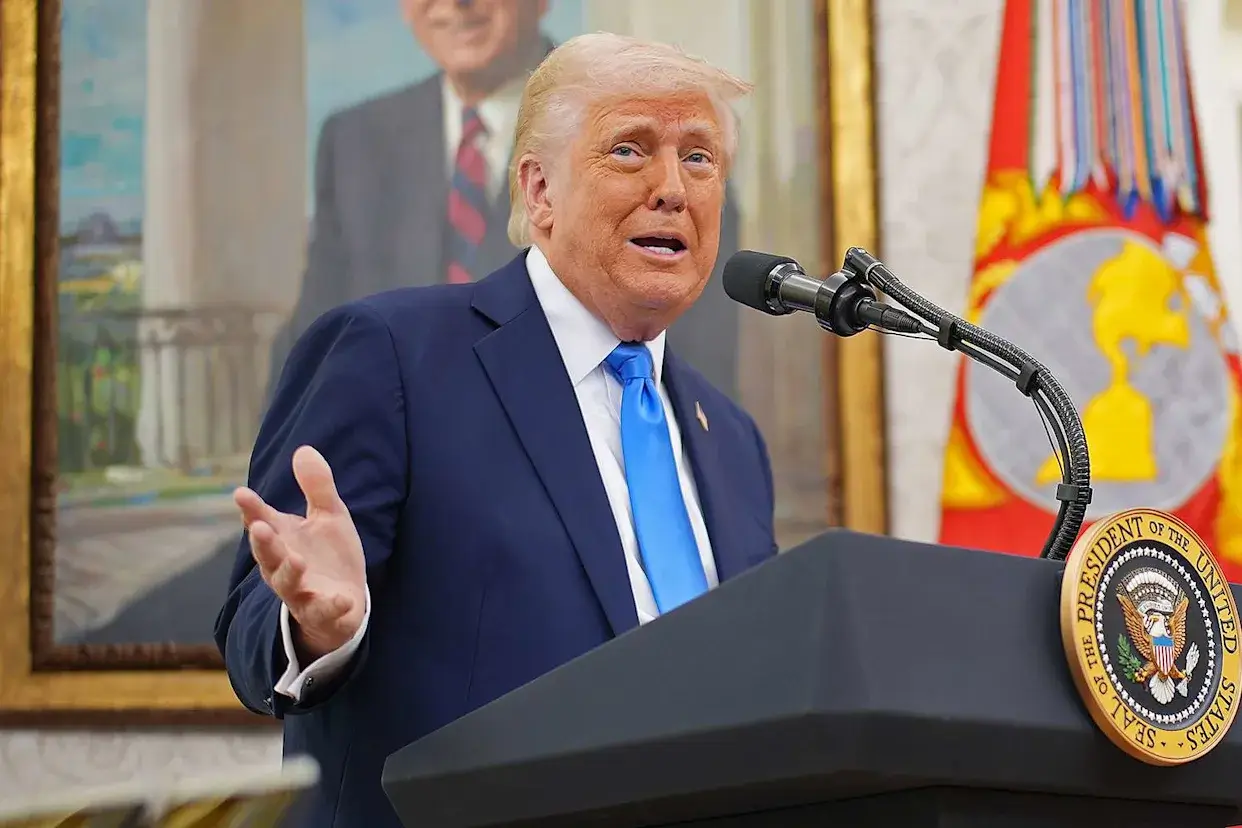
Ugandans are voicing sharp criticism of a new agreement with United States President Donald Trump’s administration to receive deportees from America, warning that the opaque deal bypassed Parliament and risks turning their country into a political bargaining chip for President Yoweri Museveni.
The arrangement, which Ugandan officials have only partially acknowledged, comes at a time when Washington has imposed sanctions on several senior Ugandan figures, including Parliament Speaker Anita Among. Critics say it looks less like a humanitarian gesture and more like a political transaction designed to relieve pressure on Museveni’s government.
“After sanctions, Museveni will be happy to transact with the US,” opposition lawmaker Ibrahim Ssemujju told Al Jazeera. “He will be asking, ‘When are you bringing them?’”
Few Details, Big Questions
Ugandan authorities have disclosed little about the agreement, beyond suggesting that deportees of African origin are preferred and that Kampala would resist taking individuals with criminal records. But even that position has been contradicted by developments in Washington.
One high-profile case is Kilmar Abrego Garcia, a Maryland resident originally from El Salvador, who has become a lightning rod for Trump’s hardline immigration policy. Abrego Garcia has lived in the US for years, has an American family, and was under legal protection against deportation after a judge ruled his life would be at risk if returned to El Salvador. Yet, he was detained again this week in Baltimore, with the US Department of Homeland Security stating that he “is being processed for removal to Uganda.”
Ugandan officials have not clarified why a Central American national would be sent to East Africa. For many in Kampala, the idea strains logic and highlights the secrecy surrounding the agreement.
Mathias Mpuuga, until recently the leader of Uganda’s parliamentary opposition, told Al Jazeera: “Without parliamentary oversight, the whole scheme stinks.” He noted the irony of Uganda taking deportees while still struggling to host hundreds of thousands of refugees fleeing wars in the Democratic Republic of the Congo, South Sudan, and Sudan.
What Does Uganda Gain?
Analysts in Kampala argue that Museveni’s government is not acting out of humanitarian concern but out of “economic expediency”. Exactly what Uganda receives in return remains unclear, but many suspect trade concessions and the chance to rebuild relations with Washington.
“The deal eases pressure on Museveni and may come with trade opportunities,” said Marlon Agaba, head of the Anti-Corruption Coalition Uganda, in remarks to Al Jazeera. “The Trump administration is about deals, about deal-making, and any strongman would welcome that.”
While Deputy Foreign Minister Okello Oryem dismissed talk of a deal as “complete rubbish,” his own ministry later confirmed an agreement exists. Reports suggest negotiators were reporting directly to Museveni himself, underscoring how tightly controlled the arrangement is at the top.
For decades Museveni was considered a reliable US partner, especially after he deployed Ugandan troops to Somalia to fight the al-Qaeda-linked al-Shabaab as part of the African Union mission. But Washington’s view of him has soured sharply in recent years.
The Biden administration sanctioned multiple Ugandan officials over corruption and rights abuses, and Human Rights Watch reported in May that Uganda’s 2023 Anti-Homosexuality Law unleashed “widespread discrimination and violence” against LGBTQ citizens. Today, Museveni presides over a government often accused of arbitrary arrests, media crackdowns, and unlawful killings.
Against that backdrop, analysts say, Trump’s transactional politics offer Museveni something different: a chance to reset relations without questions of governance or rights getting in the way.
Africa as a Deportation Frontier
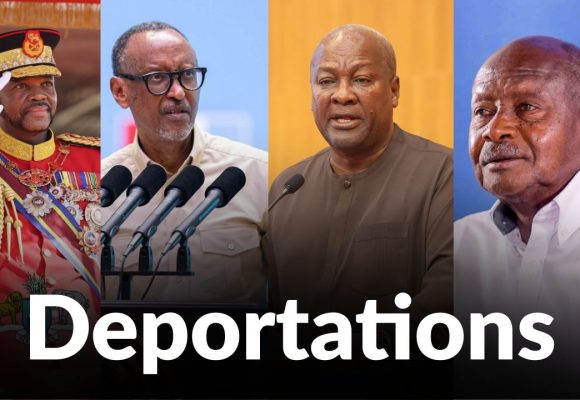
Uganda is not the only African state drawn into Washington’s deportation policy. In July, the US sent five men with criminal records to Eswatini and eight more to South Sudan. Rwanda has also agreed to receive up to 250 deportees.
This outsourcing of America’s immigration has been criticized by people within and outside Africa. Critics argue that African nations, already carrying heavy responsibilities as hosts to the world’s largest refugee populations, are being reimagined as convenient dumping grounds for people the US does not want.
This, they say, undermines both Africa’s sovereignty and the dignity of the deportees themselves, many of whom have no historic or legal ties to the countries now being pressured to take them in.






LEAVE A COMMENT
You must be logged in to post a comment.