

|
LISTEN TO THIS THE AFRICANA VOICE ARTICLE NOW
Getting your Trinity Audio player ready...
|
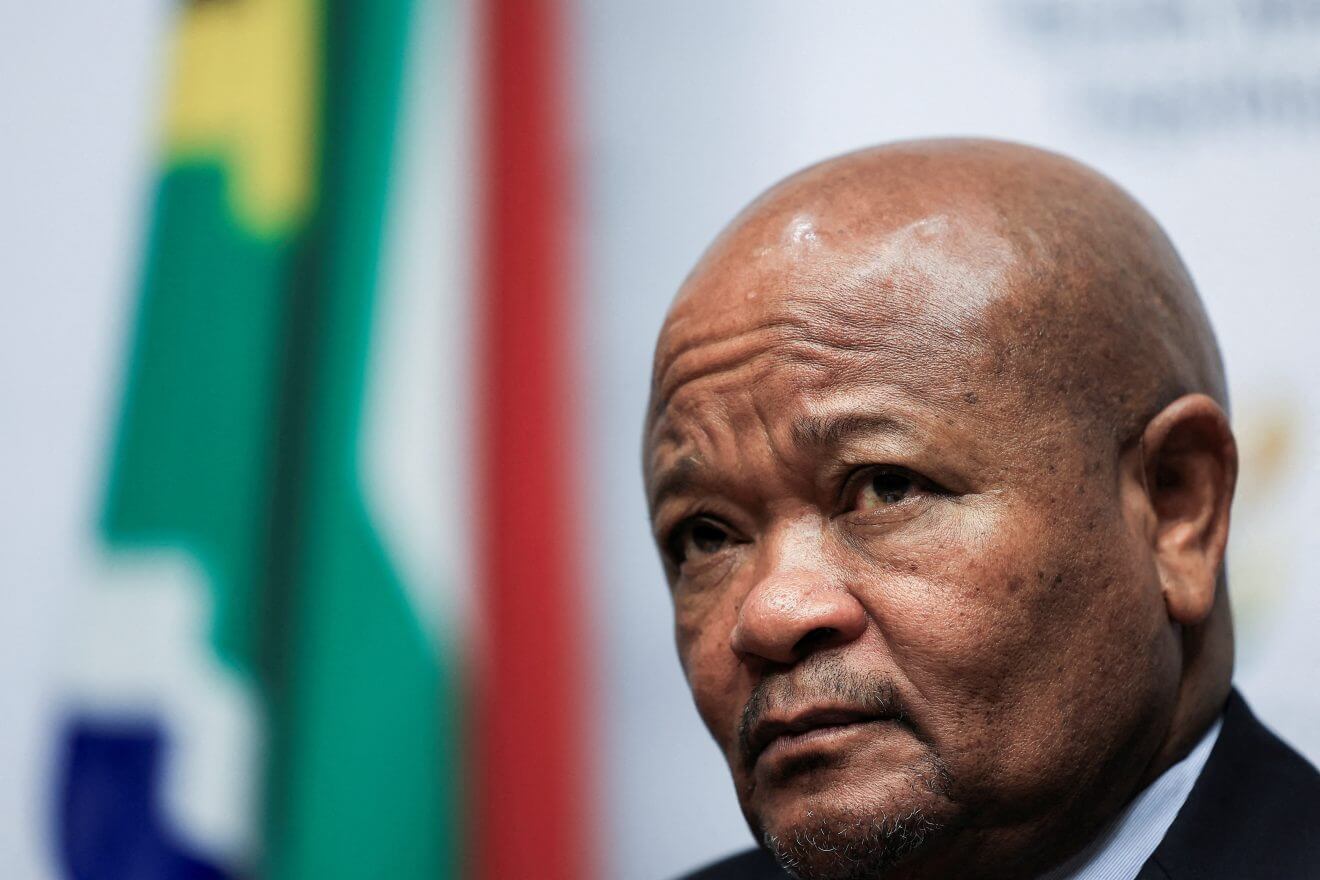
South Africa’s President Cyril Ramaphosa on Sunday, July 13, placed Police Minister Senzo Mchunu on an immediate leave of absence, following allegations that he interfered with police investigations and colluded with a criminal network.
The move came after Nhlanhla Mkhwanazi, the provincial police commissioner for KwaZulu-Natal, publicly accused Mchunu of disbanding a special police unit that was investigating a series of political assassinations. Mkhwanazi claimed the minister’s actions served to protect politicians and law enforcement officers suspected of being part of an organized crime syndicate.
In a televised address, President Ramaphosa said the allegations demand “an urgent and comprehensive investigation.” He announced the formation of a judicial commission of inquiry to look into the matter and named legal scholar Professor Firoz Cachalia as acting Minister of Police.
The scandal arrives at a critical moment for Ramaphosa, whose administration has consistently pledged to root out corruption and restore public trust in South Africa’s battered state institutions. His presidency was in part a response to the widespread graft scandals of his predecessor, Jacob Zuma.
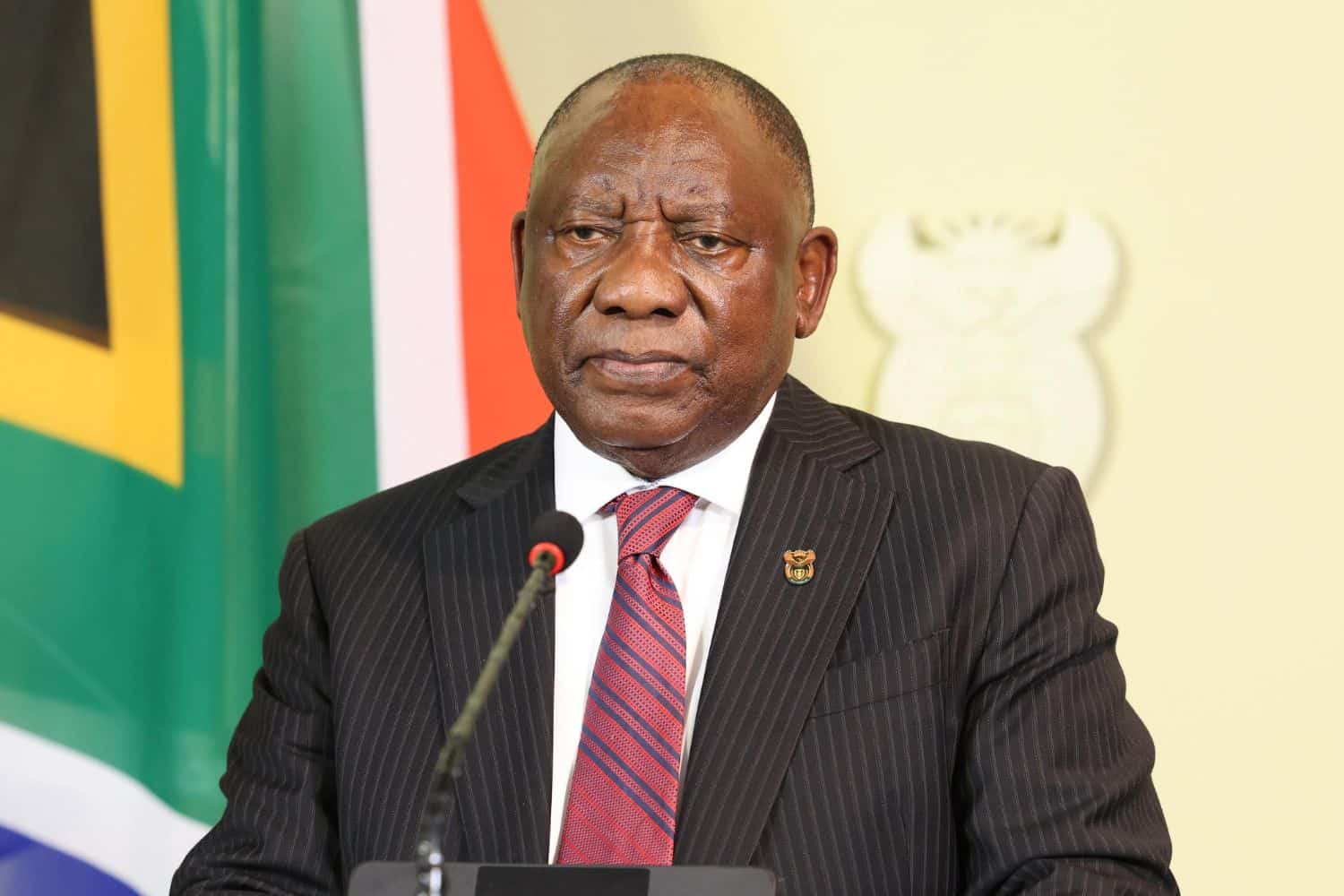
Mchunu, a senior member of Ramaphosa’s ruling African National Congress (ANC), has denied the accusations, describing them as “baseless” and politically motivated. His office said he remains committed to the Constitution and the rule of law.
But pressure has mounted swiftly, not only from opposition parties but also from within the government’s own coalition. The Democratic Alliance, the ANC’s primary partner in South Africa’s fragile unity government, has called for a parliamentary inquiry. At least one opposition party has demanded Mchunu’s full suspension pending investigation.
Digital Evidence
The core of the controversy rests on a set of allegations disclosed by Commissioner Mkhwanazi during a media briefing last week. He claimed that Mchunu ordered the dismantling of a task team investigating politically motivated killings in KwaZulu-Natal, a province long plagued by intra-party violence and political assassinations.
Mkhwanazi alleged that after the task force was disbanded, more than 100 case files were removed and have remained dormant since. He also cited digital records, including WhatsApp conversations, as evidence of political interference, suggesting that some cases were buried to shield individuals with ties to organized crime.
South Africa has one of the highest rates of violent crime in the world. The World Bank estimates that crime drains roughly 10% of the country’s GDP annually. The justice system, already under strain from underfunding and case backlogs, now faces a credibility crisis.
Political Assassinations
The issue of political killings is especially acute in KwaZulu-Natal, where dozens of local councillors and activists have been murdered in the past decade, often amid disputes over contracts, tenders, or internal party rivalries. Investigations have historically suffered from poor coordination, limited resources, and, increasingly, suspected political manipulation.
The task team dismantled by Mchunu was created to break this pattern, and its abrupt dissolution, paired with allegations of interference, has drawn condemnation from civil society groups and legal experts.
“This is a matter of national security,” said human rights lawyer Siviwe Ndlangisa. “If investigations into political killings are being suppressed at the highest levels, it means impunity is becoming systemic.”
Ramaphosa’s decision to sideline Mchunu and convene a commission of inquiry is a high-stakes gamble. It may appease critics for now, but it also exposes deep fractures within the ruling ANC, and could affect leadership dynamics ahead of the party’s 2027 elective conference, where Mchunu is rumored to be a contender.
Professor Cachalia, who takes over as acting police minister, is a respected legal academic with experience in constitutional law. His appointment is seen as an effort to ensure both technical competence and independence during the inquiry.






LEAVE A COMMENT
You must be logged in to post a comment.